

Last updated November 24, 2026. Reviewed by the HomePilot editorial team.
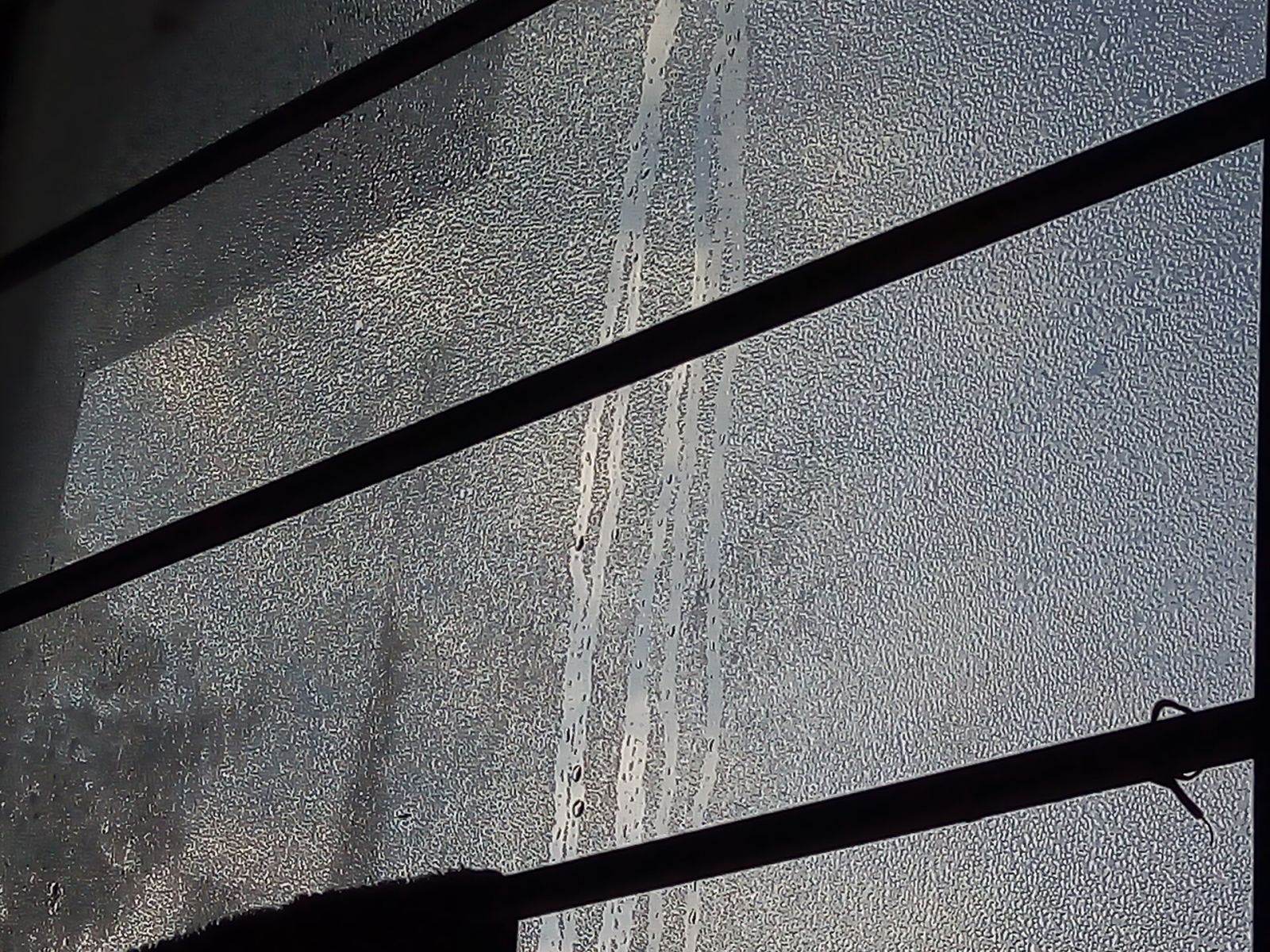
You open the blinds on a cold morning and the bottom of every window is dripping. Little puddles sit on the sill, and the paint around the frame looks a bit darker than last winter. Your windows are not broken. They are showing you how much water is floating around in your air.
By the HomePilot Team · Updated October 31, 2026 · Checked against EPA and window-industry guidance · How we research
Short answer: condensation on the inside of windows happens when warm, humid indoor air touches glass that is colder than the air’s dew point, so water vapor turns back into liquid. The fix is to lower indoor humidity, usually to 30 to 40 percent in cold weather, keep warm air moving across the glass, and vent moisture from showers, cooking and laundry. Older single-pane windows fog up much sooner than double- or triple-pane glass.
Key takeaways
- Inside condensation is a humidity problem. Outside condensation is normal and often a sign of efficient windows.
- Condensation between the panes means a failed seal, and only replacing the glass unit fixes it.
- The colder it is outside, the lower your indoor humidity needs to be to keep glass dry.
- Daily wiping is fine for light fog. Water that pools on sills every day leads to mold and rot.
Not sure what humidity is safe tonight? Try our free Window Condensation and Winter Humidity Calculator. Enter the outdoor low and your window type to see when your windows will fog and what range to aim for.
Why condensation forms on the inside of windows
Air holds more water vapor when it is warm than when it is cold. Every pocket of air has a dew point, the temperature at which it cannot hold its moisture any more. Room air at 70°F and 40 percent humidity has a dew point of about 45°F. If the inside surface of your window glass drops below that, the air touching it is cooled past its dew point and water beads up on the glass.
In winter, glass is the coldest surface in most rooms, so it is the first place moisture shows up. Raise the humidity to 50 percent and the dew point climbs to about 50°F, so the glass fogs on far milder days.
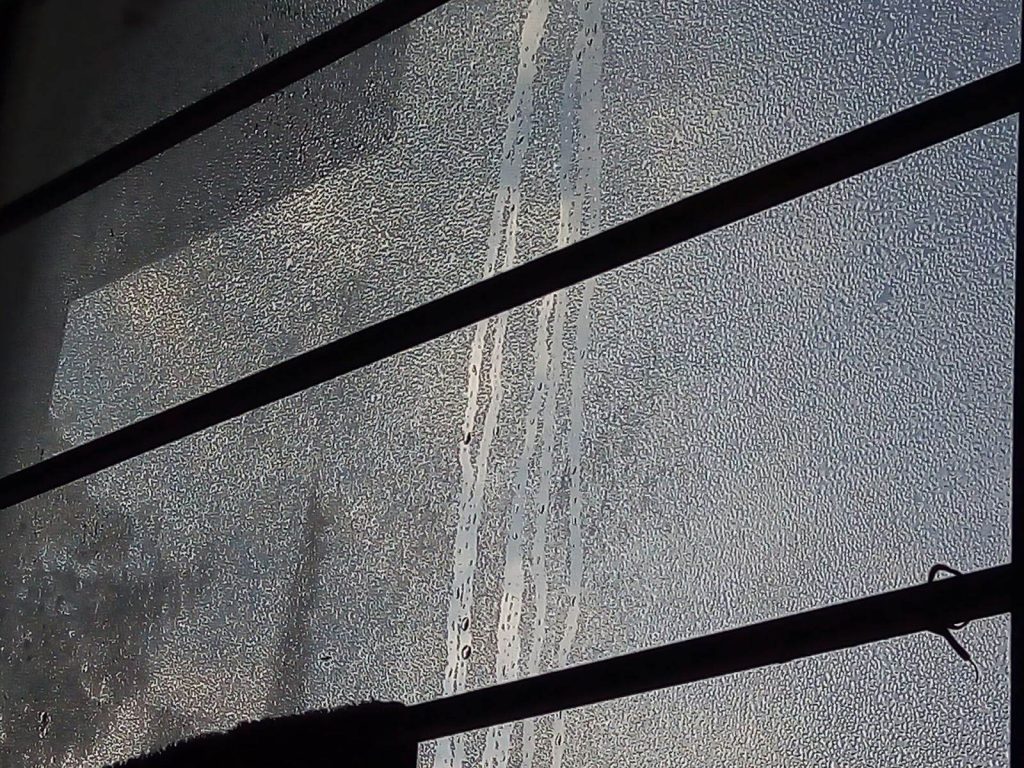
Inside, outside or between the panes: what each one means
| Where the water is | What it means | What to do |
|---|---|---|
| Inside (room side) | Indoor air is too humid for how cold the glass is | Lower humidity, improve air flow and ventilation |
| Outside (on the exterior glass) | Morning dew on cool glass. Common with well-insulated windows, because less indoor heat reaches the outer pane | Nothing. It clears as the sun warms the glass |
| Between the panes | The seal on the double-pane unit has failed and moist air got inside | Replace the glass unit or window; drying it is not possible |
How cold does it have to be? The humidity chart
Window maker Cardinal Glass publishes recommended indoor humidity levels by outdoor temperature. As it gets colder outside, the safe level indoors drops. The figures below are guidelines for a typical home at room temperature.
| Outdoor temperature | Recommended maximum indoor humidity |
|---|---|
| 20°F and above | 35 to 40% |
| 10°F | 30% |
| 0°F | 25% |
| -10°F | 20% |
| -20°F | 15% |
Your window type changes the picture a lot. A Washington Energy Extension Service analysis found that with a room at 70°F and 40 percent humidity, single-pane glass starts to show condensation at an outdoor temperature of about 38°F, double-pane at about 5°F, and triple-pane not until about -30°F.
| Window type | Outdoor temperature when condensation starts (room at 70°F, 40% humidity) |
|---|---|
| Single pane | About 38°F |
| Double pane | About 5°F |
| Triple pane | About -30°F |
So if you have single-pane or old aluminum-frame windows, some fogging in winter is almost unavoidable unless you keep the air quite dry or add storm windows.
What causes too much moisture indoors
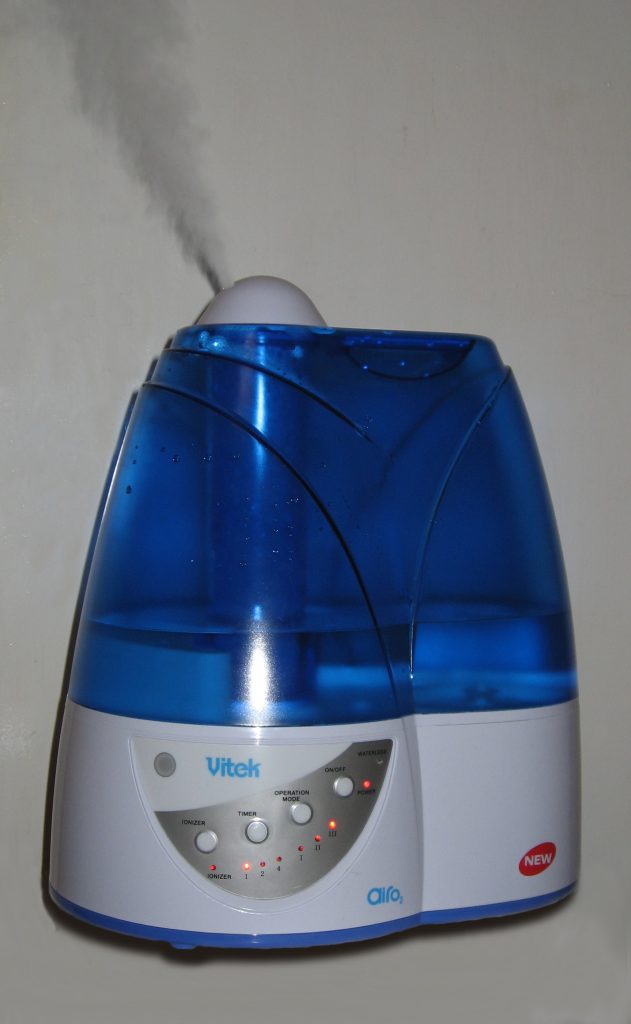
- A humidifier set too high. The most common cause in winter. If windows drip, turn it down.
- Showers and cooking without exhaust fans that vent outdoors.
- Drying laundry indoors or a dryer vent that is disconnected or blocked.
- Lots of houseplants, an aquarium or firewood stored indoors.
- Unvented gas or kerosene heaters, which release water vapor as they burn.
- A damp basement or crawl space pushing humid air upstairs.
- Heavy curtains or blinds that trap cold air against the glass and keep warm room air away.
- A new or newly sealed house, where building materials are still drying out and less air leaks out.
How to stop condensation on the inside of windows
- Measure first. Put a hygrometer in the room. If it reads above the chart for today’s outdoor temperature, that is your answer.
- Turn down or switch off the humidifier until the glass stays dry in the morning.
- Run exhaust fans during and for 20 minutes after showers and cooking. Check that bathroom fans actually vent outside.
- Open blinds and curtains during the day, and leave a gap at night so room air can warm the glass.
- Move air across the glass. A ceiling fan on low, or keeping heat registers under windows uncovered, raises the glass surface temperature.
- Dry laundry outdoors or in a vented dryer.
- Run a dehumidifier in damp basements or problem rooms. Our dehumidifier sizing guide helps you pick the right capacity.
- Briefly air out the house. On cold days, outdoor air holds very little moisture, so a few minutes with windows open brings indoor humidity down quickly.
- Add insulation to the glass. Storm windows, cellular shades or window insulation film keep the inner pane warmer on old windows.
When window condensation becomes a real problem
A little fog that clears by mid-morning is harmless. The trouble starts when water runs down onto sills and frames day after day. Watch for:
- Black or gray spots on sills, frames or the caulk line
- Peeling paint or swollen, soft wood at the bottom of the frame
- Stains on the wall below the window
- A musty smell near the window
These are signs of mold or rot. The EPA recommends keeping indoor humidity below 60 percent, ideally 30 to 50 percent, to limit mold. Clean small mold spots on hard surfaces with detergent and water, dry them, and fix the humidity so they do not return. Our guide to the right humidity for your house covers the numbers season by season.
Should you replace your windows?
New windows are expensive, so try the humidity fixes first. Replacement makes sense when:
- You have single-pane windows and condensation persists even at 30 to 35 percent humidity
- Frames are rotting or the glass unit has fogged between the panes
- You were planning an upgrade for comfort or energy savings anyway
If you do replace, look for double- or triple-pane units with low-e coatings and warm-edge spacers, which keep the inner glass warmer and push the condensation point much lower.
Frequently asked questions
Why do my windows sweat on the inside in winter?
In winter the glass is the coldest surface in the room. When warm indoor air touches it and cools below its dew point, the moisture in that air condenses on the glass. Lowering indoor humidity is the main fix.
Is condensation on the inside of windows bad?
Light fog that clears quickly is not a problem. Daily water running onto sills can cause mold, peeling paint and rotting frames, so it is worth fixing the humidity.
What humidity stops window condensation?
It depends on outdoor temperature. Window maker Cardinal Glass suggests about 35 to 40 percent when it is 20°F or warmer outside, 30 percent at 10°F, and 25 percent at 0°F.
Will a dehumidifier stop condensation on windows?
Yes, if high humidity is the cause. A dehumidifier lowers the dew point of the air so the glass stays dry. It will not fix condensation between the panes, which is a failed seal.
Why is there condensation on new windows?
New homes and renovations release moisture from drying materials, and new windows seal out the air leaks that used to dry the house. Condensation usually settles down after the first heating season if you control humidity.

