

Last updated November 24, 2026. Reviewed by the HomePilot editorial team.
By the Numbers · Humidity
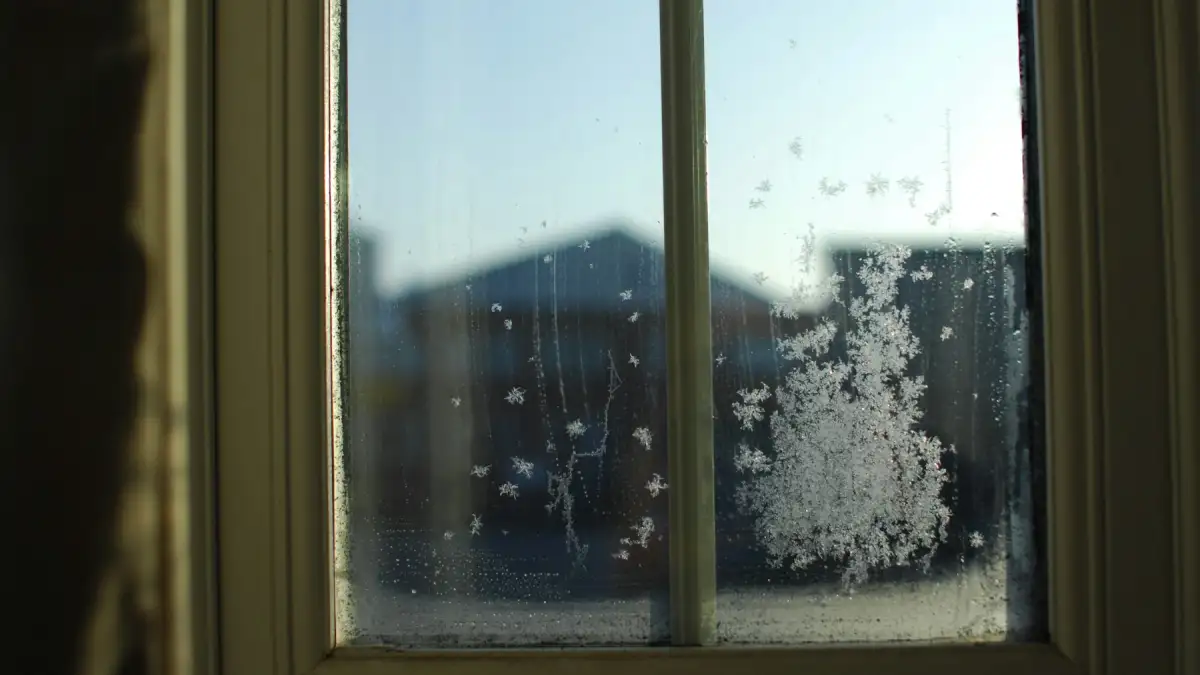
Winter puts you in a bind. Run a humidifier and your skin and throat feel better, but your windows start to run with water. Turn it down and the windows clear, but the air gets dry. The way out is to know exactly how much humidity your windows can take. That number is not the same for every house. It depends on how cold it is outside and what kind of windows you have, and the National Research Council of Canada worked it out decades ago. Here is the chart, how to read it, what the U.S. EPA recommends for your health and your house, and a free calculator that does the lookup for you.
By the HomePilot Team · Updated November 24, 2026 · Condensation data from the National Research Council Canada (CBD-4); humidity guidance from the U.S. EPA · How we research
30–50%
Ideal indoor relative humidity range recommended by the EPA
60%
EPA: keep humidity below this if possible
49%
Humidity at which double-pane glass fogs when it is 0°F outside (calm conditions)
The short answer
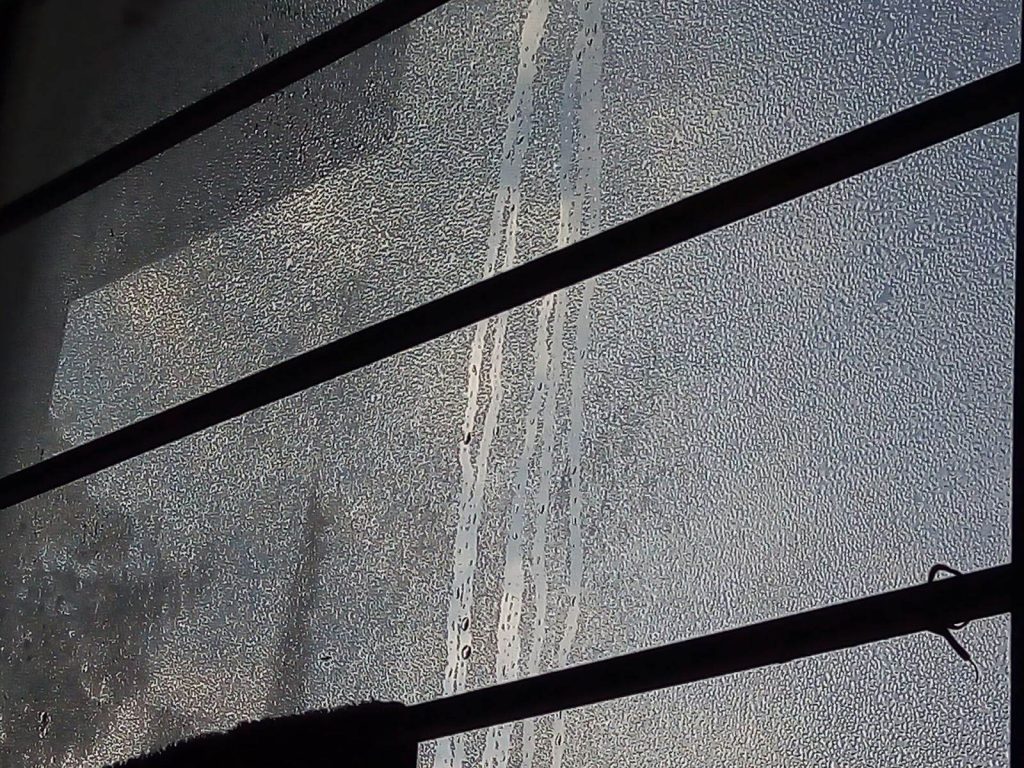
Windows fog up when the glass surface is colder than the dew point of the room air. The colder it gets outside, the lower the indoor humidity your windows can handle. For ordinary double-pane windows with 70°F indoors, the limit is roughly 68 to 73 percent at 40°F outside, 53 to 61 percent at 20°F and 41 to 49 percent at 0°F. Single-pane glass fogs at far lower levels. Staying inside the EPA’s 30 to 50 percent range keeps most double-pane windows clear except on the coldest nights.
Dry skin or wet windows? Fix both. Enter tonight’s low and your window type, and the calculator shows the humidity at which your windows start to fog and the safe range to keep your home at.
The chart: when windows fog by outdoor temperature
This table comes from the National Research Council Canada’s Canadian Building Digest CBD-4. It shows the maximum indoor relative humidity before condensation forms on the glass, with the indoor temperature at 70°F. Each cell shows the value with a 15 mph wind outside, followed by the value on a calm day.
| Outside temperature | Single glass (wind / calm) | Double glass (wind / calm) | Triple glass (wind / calm) |
|---|---|---|---|
| 40°F | 44% / 59% | 68% / 73% | 78% / 81% |
| 20°F | 24% / 41% | 53% / 61% | 68% / 71% |
| 0°F | 12% / 27% | 41% / 49% | 57% / 61% |
| -20°F | 6% / 17% | 32% / 39% | 49% / 53% |
How to read it
- Find your window type. Single glass has one pane, double glass has two with an air space, triple has three.
- Find the coldest outside temperature you expect in the next day or two.
- Read the humidity limit. Use the calm figure on still nights and the wind figure on windy ones.
- Set your humidifier a few points below that number. The chart gives the point where fog begins on the glass, so a margin keeps you clear.
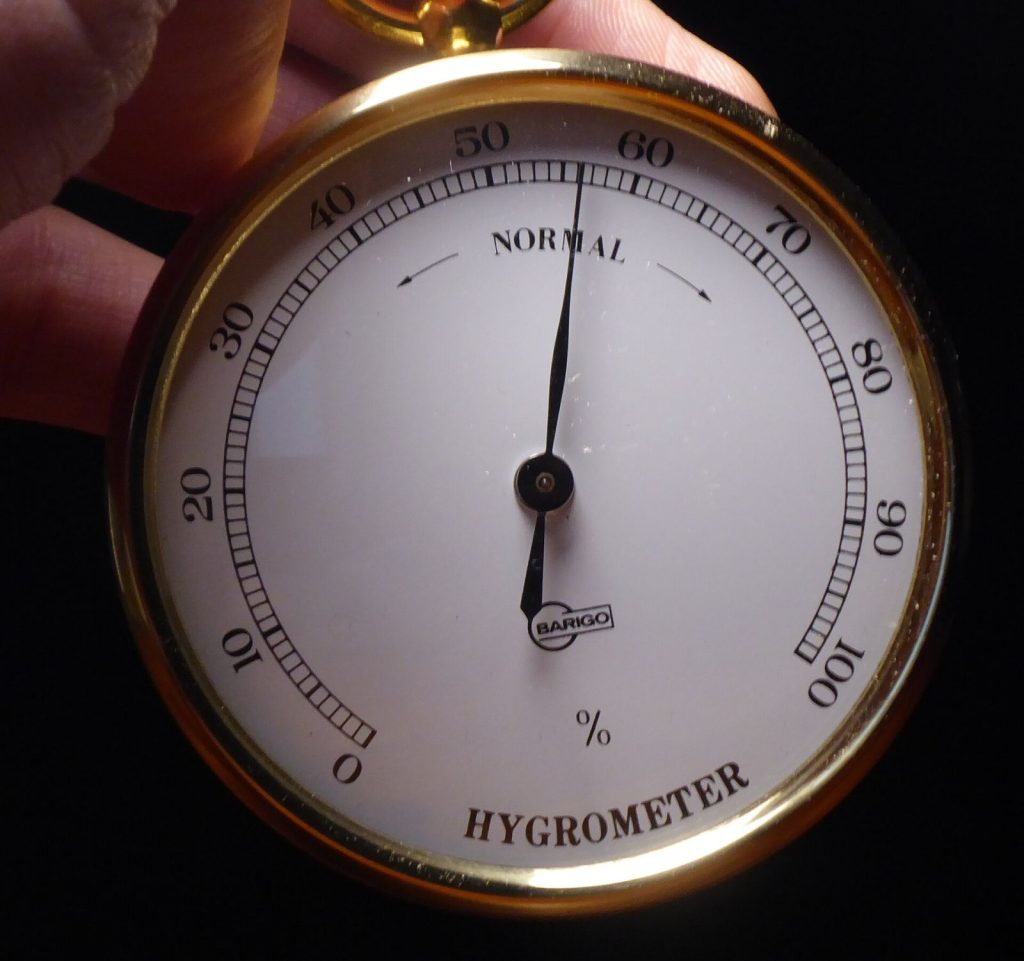
- Check with a hygrometer, a small inexpensive humidity meter, and adjust as the weather changes.
Shop hygrometers on Amazon → (As an Amazon Associate, HomePilot earns from qualifying purchases.)
The EPA notes that a humidity meter is an inexpensive instrument, costing roughly $10 to $50, available at many hardware stores.
Why the limit gets lower as it gets colder
Warm indoor air holds moisture. When that air touches glass that is colder than the air’s dew point, the moisture condenses into droplets. In winter the window is usually the coldest part of the room, so the NRC concludes that windows set the practical limit for humidity in a heated space. As the temperature outside drops, the inside surface of the glass gets colder, and the humidity at which it fogs drops with it. Double and triple glazing keep the inner pane warmer, which is why they can carry more humidity than single glass. According to the NRC, with single glass you cannot carry humidity above about 25 percent when it is below 20°F outside without heavy condensation.
Things the chart does not show
- The bottom of the window is colder. The NRC notes that condensation on double windows usually appears first at the bottom, so the real limit there is a bit lower than the table says. That is why a margin matters.
- Frames matter. Metal frames without a thermal break can fog at around the single-glass limits, even when the glass is double.
- Coverings change the glass temperature. Drapes and curtains can raise or lower the glass surface temperature depending on how they sit relative to the window and the heat source.
- Sun helps. The table assumes no solar heating, so a sunny window can do better in the daytime.
- Fog between the panes is a different problem. That means a failed seal in a double-pane unit, and no humidity setting will fix it.
- It is a classic study. The digest dates from 1960, but the physics has not changed. The numbers assume 70°F indoors.
What the EPA says about indoor humidity
The EPA advises keeping indoor humidity below 60 percent, ideally between 30 and 50 percent, because high humidity encourages mold. It says that condensation on windows, walls or pipes can be a sign of high humidity, and that you should act quickly to dry the wet surface and reduce the moisture source. The two sets of numbers fit together: the EPA’s range is the healthy target, and the NRC chart tells you how close to the top of that range your windows will let you go on a given night. On the coldest nights, stay at the low end.
If your windows are already fogging
- Wipe the glass and sill dry so moisture does not soak into the frame.
- Lower the humidifier setting, or turn it off for the night.
- Run bathroom and kitchen exhaust fans and vent the dryer and stove outdoors where possible, as the EPA suggests.
- Increase air movement by opening a door or using a fan, and keep the room warm.
- Insulate cold surfaces. The EPA suggests covering cold surfaces such as water pipes with insulation. For windows, a film kit or storm window warms the glass; see how to stop drafts.
- Consider a dehumidifier in damp rooms; see what size you need.
Shop window insulation film kits on Amazon →
A humidifier that does not drown your windows
If you use a humidifier, pick one with a built-in humidistat so it stops at your target, and place it away from windows. See our guide to the best humidifiers for dry winter air, what they cost in how much it costs to run a humidifier, and the full picture in what humidity your house should be and condensation on the inside of windows. If your windows are old and always fog, our guide on whether replacing windows is worth it shows the numbers.
Frequently asked questions
At what humidity do windows start to fog?
It depends on the outside temperature and window type. With 70 degrees F indoors and 0 degrees F outside, double-pane glass fogs at about 41 to 49 percent humidity, single-pane at about 12 to 27 percent, according to the National Research Council Canada.
What is the ideal indoor humidity in winter?
The EPA recommends keeping indoor humidity below 60 percent, ideally between 30 and 50 percent. On very cold nights, aim for the low end to avoid window condensation.
Why do my windows get wet when I run a humidifier?
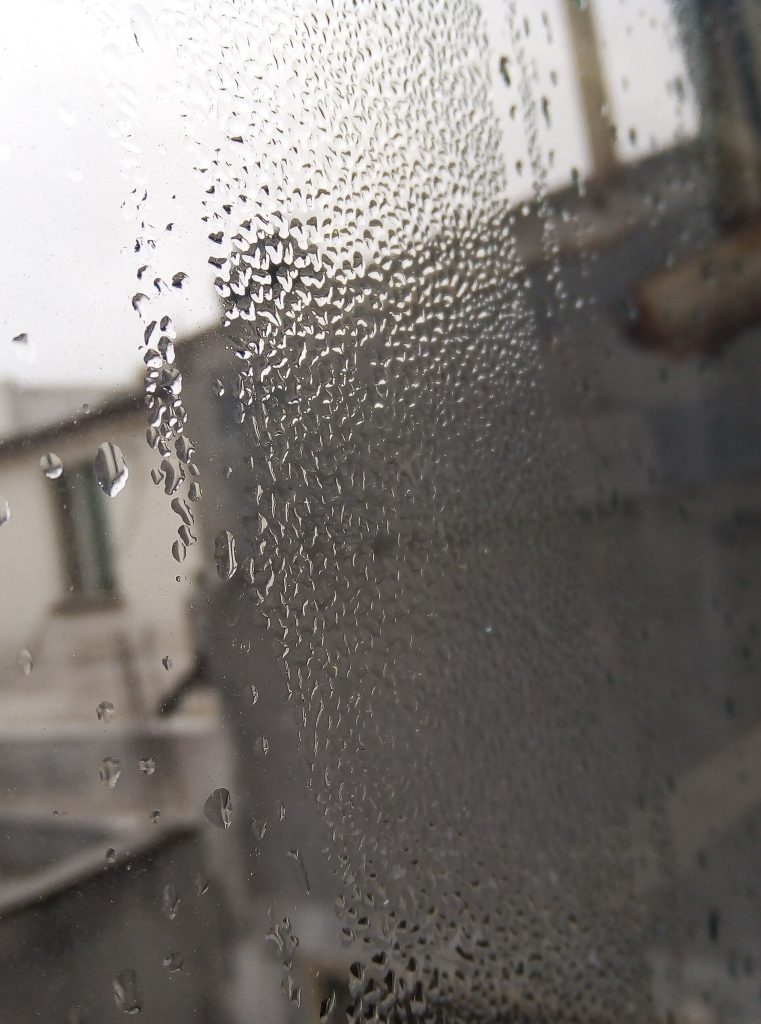
Humidifiers raise indoor humidity. When it goes above the level your windows can take at the current outdoor temperature, moisture condenses on the cold glass.
Is window condensation bad?
It can be. Constant moisture can damage frames and sills and encourage mold. The EPA says to dry wet surfaces quickly and reduce the moisture source.
Do double-pane windows stop condensation?
They reduce it, since the inner pane stays warmer, but they still fog when humidity is high enough or the weather is cold enough. Fog between the panes means a failed seal.

