Last updated October 26, 2026. Reviewed by the HomePilot editorial team.
Somewhere out there is a drawer with an expensive smart hub sitting in it, still paired to exactly one device, bought in a burst of excitement that never went anywhere. That is the most common way a smart home budget gets wasted, not a bad product, but the wrong first product. Here is a tiered plan that avoids it.
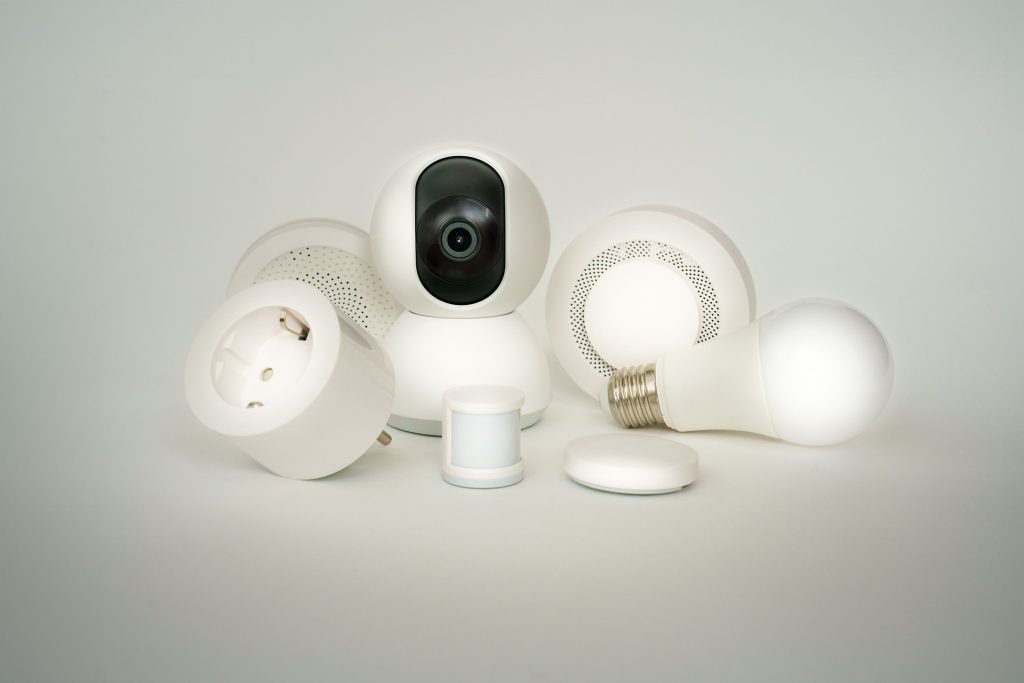
Tier 1: Under $75
Start with a voice-controlled speaker, since it becomes the control layer for everything you add later, plus a couple of smart plugs so you get an immediate, tangible result: any lamp or appliance becomes schedulable and voice-controlled without buying a single smart-specific device.
- Amazon Echo Dot or Google Nest Mini, roughly $30-50
- A 2-pack of smart plugs (TP-Link Kasa is a reliable budget pick), roughly $17-25
Tier 2: Under $200
Add smart lighting to the room you actually spend the most time in, and a basic camera so you get real security value, not just convenience. This is the tier where a smart home starts to feel genuinely different from a normal home.
- A starter pack of smart bulbs (see our Smart Lighting guide for picks), roughly $40-55
- An indoor or video doorbell camera, roughly $60-100
Tier 3: $300-500
This is where the payback math actually starts working in your favor. A smart thermostat is the single highest-ROI device in this whole list, ENERGY STAR data puts average heating and cooling savings around 8%, which usually means the thermostat pays for itself within a year or two.
- A smart thermostat (see our Climate & Energy guide), roughly $80-250
- A proper smart lock, roughly $150-280
- A couple of leak or motion sensors for the areas that matter most, roughly $20-30 each
What to Skip at First
Skip a dedicated smart home hub until you actually own 8-10 devices. Most modern smart plugs, bulbs, and speakers work directly over Wi-Fi without one. A hub becomes worth its cost once you’re juggling enough devices that a single app and faster local response actually matter, not on day one.
Also worth knowing before you buy anything: if your home Wi-Fi already struggles to cover your house, fix that first. No smart device performs well on a weak signal, and a flaky network is the single biggest cause of “my smart home doesn’t work” complaints.
New here? Start with our full beginner’s guide before you buy anything.
A simple 90-day plan
| When | What to buy | Budget |
|---|---|---|
| Month 1 | Smart speaker and a 2-pack of smart plugs | Under $75 |
| Month 2 | Smart bulbs for your main room and an indoor or doorbell camera | Under $125 more |
| Month 3 | Smart thermostat, then a lock or sensors if the budget allows | $80 to $250 and up |
Spreading purchases over a few months lets you learn what you actually use before spending more.
Ways to spend less
- Compare prices over a couple of weeks. Smart home gear is discounted often.
- Look for the Matter logo, which helps devices from different brands work together and lowers the chance of buying twice.
- Choose a few reliable brands instead of mixing many cheap ones.
- Buy open-box or refurbished only from retailers with a proper return policy.
Hidden costs to watch
- Subscriptions for camera history or advanced features
- Batteries and replacement parts
- A Wi-Fi extender or mesh system if coverage is weak. See our connectivity guide
- The small electricity cost of always-on devices. A smart plug draws about a watt, as we explain in our standby power guide
Before you buy, read five smart home mistakes beginners make so your budget goes further, and use the thermostat savings calculator to see whether a thermostat will pay for itself in your home.
Last Updated: October 2026
Frequently asked questions
What should I buy first for a smart home?
A voice speaker such as an Echo Dot or Nest Mini ($30 to $50) and a 2-pack of smart plugs ($17 to $25), which together cost under $75.
Do I need a smart home hub?
Not at first. Skip a dedicated hub until you own 8 to 10 devices. Most modern smart plugs, bulbs and speakers work directly over Wi-Fi.
Is a smart thermostat worth buying for a budget smart home?
For many homes, yes. ENERGY STAR data puts average heating and cooling savings around 8 percent, but payback depends on your bill and your system. See our small-apartment math before you buy.