
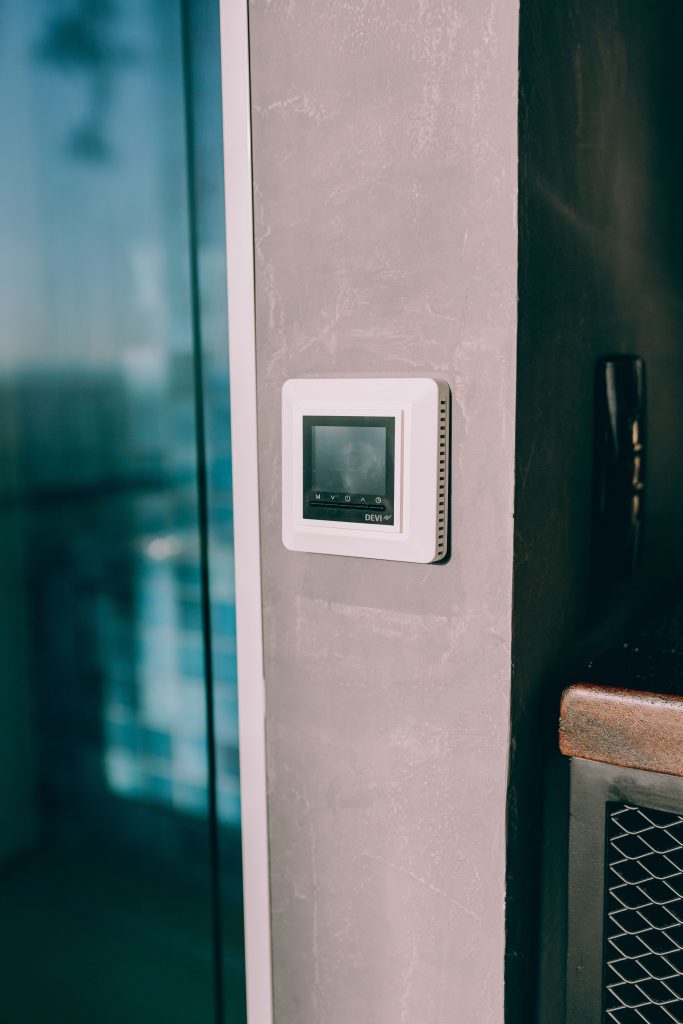
ENERGY STAR certified smart thermostats cut heating and cooling costs by roughly 8% on average. Use this calculator to estimate what that means for your household.
Estimate based on ENERGY STAR’s reported ~8% average savings from certified smart thermostats. Actual savings vary by home, climate, and usage habits.
How This Calculator Works
This one leans on a single, well-documented figure rather than a complex formula:
- Step 1: Isolate your HVAC spending. Your monthly bill is multiplied by the percentage you estimate goes to heating and cooling, roughly 50% is typical for most homes, but it varies by climate and season.
- Step 2: Annualize it. That monthly HVAC cost is multiplied by 12 to get a yearly baseline.
- Step 3: Apply the ENERGY STAR savings rate. That annual figure is multiplied by 8%, the average savings ENERGY STAR reports for certified smart thermostats compared to a standard thermostat.
Worth being honest about: 8% is an average across many households, not a guarantee. Homes with poor insulation or inconsistent thermostat habits before switching sometimes see more, homes that were already well-managed sometimes see less.
Ready to buy? Compare models in our Climate & Energy buying guide.
A worked example
Say your bill is $150 a month and about half of it goes to heating and cooling. That is $75 a month, or $900 a year. Multiply by 8 percent and the estimate is about $72 a year. If the thermostat costs around $130, it could pay for itself in under two years. Your own numbers will differ, which is why the calculator lets you change them.
Common questions
Where does the 8 percent figure come from?
It is the average saving ENERGY STAR reports for certified smart thermostats. Homes with poor scheduling habits can save more, and homes that were already well managed may save less.
Will a smart thermostat work with my heating system?
Most work with standard forced-air systems, but some need a C-wire for power and some systems, such as electric baseboard heaters, need a special model. Always check compatibility first. Our smart thermostat comparison tool shows the wiring needs for six popular models.
What if my Wi-Fi goes down?
Most smart thermostats keep running their saved schedule, but some features stop. See what happens when the Wi-Fi goes down.
Is it worth it in a small apartment?
Smaller homes have smaller heating and cooling bills, so the savings are smaller too. Our article on smart thermostats in small apartments does the math.
Ready to compare options? Start with the Climate and Energy guide.