
Run a humidifier to fight dry winter air and you may wake up to wet, foggy windows. Turn it off and your skin and sinuses dry out. The right humidity isn’t one fixed number: it drops as the weather gets colder, and it depends on your windows. Enter tonight’s outdoor low and your window type, and this calculator tells you the highest indoor humidity your windows can handle before condensation forms, plus the range to aim for.
Free, no signup, in °F or °C. It remembers your settings for next time.
Many smart thermostats show indoor humidity. A basic digital hygrometer works too.
What humidity should your house be in winter?
The U.S. Environmental Protection Agency’s advice is to keep indoor humidity below 60%, ideally between 30% and 50%. That range is a good starting point all year. In winter there is a second limit: your windows. Glass is the coldest surface in most rooms, and when it drops below the dew point of the indoor air, water condenses on it. EPA notes that condensation on windows, walls or pipes can be a sign of high humidity.
So the best winter humidity is the highest level inside EPA’s 30% to 50% range that your windows can handle on that night. That is exactly what the calculator above works out.
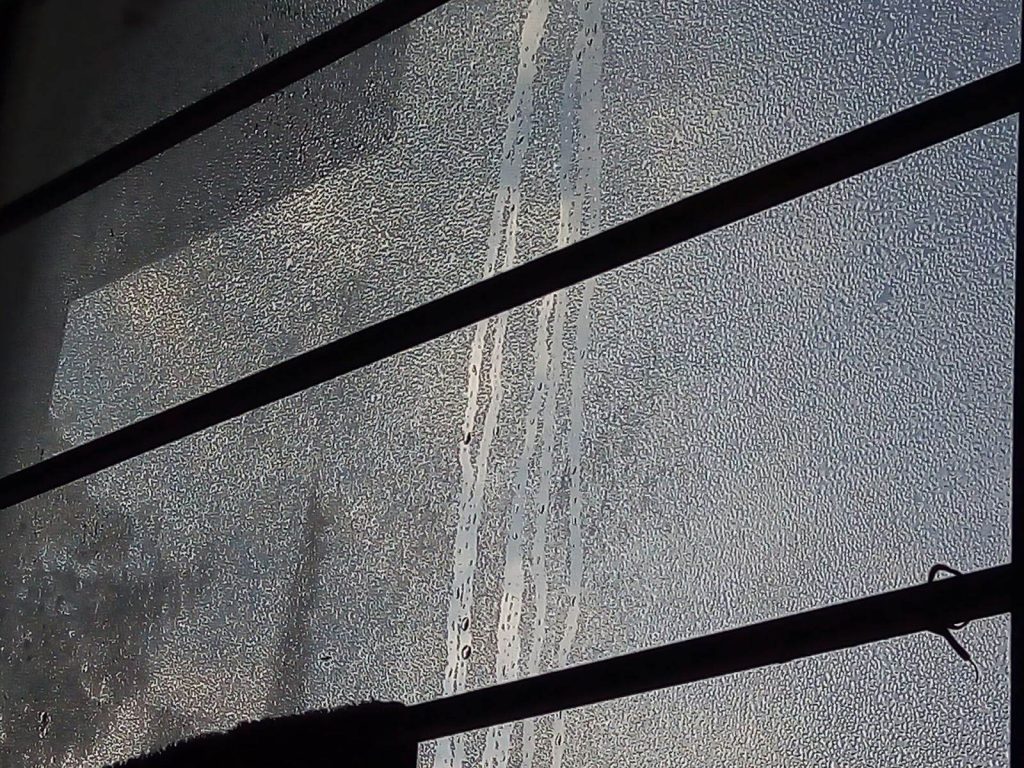
Maximum indoor humidity before windows fog
The National Research Council Canada published the classic table for this in its Canadian Building Digest 4, “Condensation on Inside Window Surfaces”. With the home at 70°F, it lists the highest indoor humidity each window type can take without condensation:
| Outdoor temperature | Single pane | Double pane | Triple pane |
|---|---|---|---|
| 40°F (4°C) | 59% | 73% | 81% |
| 20°F (-7°C) | 41% | 61% | 71% |
| 0°F (-18°C) | 27% | 49% | 61% |
| -20°F (-29°C) | 17% | 39% | 53% |
| -40°F (-40°C) | 10% | 31% | 46% |
Two things stand out. Single-pane windows can’t hold much humidity at all once it freezes outside: the digest says that below 20°F, humidity above about 25% can’t be kept without heavy condensation. And wind matters, because it cools the outer glass faster.
How this calculator works
- Glass temperature: it estimates the temperature of the inside of the glass from your indoor and outdoor temperatures and your window type. The factors for each window type, calm or windy, are matched to the NRC Canada table above, which the calculator reproduces to within about one percentage point.
- Humidity limit: it finds the indoor humidity whose dew point equals that glass temperature, using the standard Magnus formula for water vapor. Above that humidity, the glass gets wet.
- Safety margin: it suggests staying 5 points below the limit, capped at EPA’s 50%. The NRC digest explains that on double-pane windows condensation usually shows up first at the bottom of the glass, which runs colder than the middle, and that metal frames without thermal breaks can condense almost as easily as single glass.
- Your reading: if you enter your current humidity, it checks it against EPA’s range and your window limit, and shows your indoor dew point: any surface colder than that will get wet.
Newer double-pane windows with a low-E coating and gas fill stay warmer than the older clear double glass in the NRC table, so for those windows the calculator’s double-pane limit is a safe, slightly cautious figure.
Windows are fogging up: what to do
EPA’s advice for condensation is to dry the wet surface and reduce the source of moisture, and it lists three ways to stop it coming back: raise the air temperature, increase ventilation or air movement, and insulate cold surfaces. In practice:
- Turn the humidifier down to the level the calculator suggests for tonight’s low.
- Use exhaust fans while showering and cooking, and for a while after.
- Let warm air reach the glass. Open blinds and curtains at night, since they trap cold air against the window.
- Insulate the glass. Plastic window insulation film or storm windows add a layer that keeps the inside pane warmer, so it can take more humidity.
Our full guide to condensation on the inside of windows covers causes and fixes in more detail.
Air is too dry: how to add humidity safely
If your reading is below 30% and the calculator says your windows have room to spare, a humidifier can bring it up. Raise it a few points at a time and check the windows the next morning. Our picks for the best humidifiers for dry winter air and the guide to what a humidifier costs to run can help you choose one.
Frequently asked questions
What is a good indoor humidity in winter?
Between 30% and 50%, EPA says, but only as high as your windows allow. With double-pane windows and a 70°F home, NRC Canada’s table shows condensation starting around 61% when it is 20°F outside and 49% at 0°F, so 30% to 40% is a safer target on very cold nights.
Why do my windows only fog up on the coldest nights?
The colder it is outside, the colder the inside of the glass gets. The same 45% humidity that is fine at 30°F can condense on the glass at 0°F, because the glass has dropped below the dew point of your indoor air.
Is a little condensation on windows a problem?
A light film that clears by midday is common on very cold mornings. Water that runs down and soaks the sill or frame night after night is the warning sign: EPA advises drying wet surfaces quickly and reducing the moisture source, since lasting dampness lets mold grow.
How do I measure my home’s humidity?
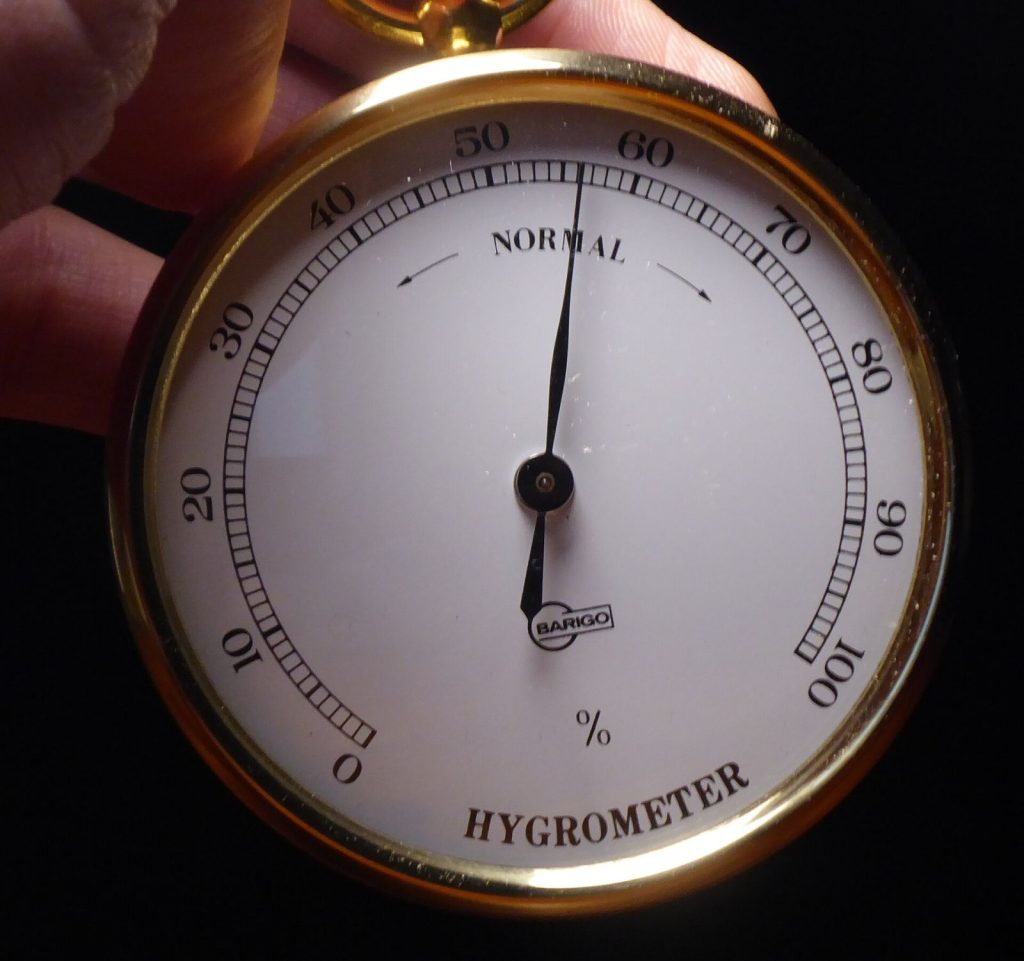
Many smart thermostats display indoor humidity. Otherwise, an inexpensive digital hygrometer does the job. Place it in a main living area away from the kitchen, bathroom and humidifier for a fair reading. Our guide to what humidity your house should be explains more.
More free tools are on the Tools page, including the heating cost calculator.
Sources: U.S. EPA, “A Brief Guide to Mold, Moisture, and Your Home”; National Research Council Canada, Canadian Building Digest 4, “Condensation on Inside Window Surfaces”; Magnus formula for saturation vapor pressure. Results are estimates; real windows vary with frames, seals, curtains and drafts. Last updated: November 2026.