

Last updated November 24, 2026. Reviewed by the HomePilot editorial team.
Buying guide · Winter comfort
When the heat comes on for winter, indoor air dries out fast. You notice it as static shocks, a scratchy throat in the morning, dry skin and nosebleeds, or wood floors and guitars that start to crack. A good humidifier fixes that, but the wrong one can leave white dust on every surface or grow mold in its tank. The biggest decision is not the brand; it is the type. Here is how ultrasonic, evaporative and warm-mist humidifiers differ, and the models that stand out for 2026.
By the HomePilot Team · Updated November 17, 2026 · Based on published 2026 reviews, testing and maker specifications · How we research
As an Amazon Associate, HomePilot earns from qualifying purchases. Links go to Amazon search results so you can compare current listings and prices.
Not sure what humidity is safe tonight? Try our free Window Condensation and Winter Humidity Calculator. Enter the outdoor low and your window type to see when your windows will fog and what range to aim for.
Our picks at a glance
Best smart pick
Levoit Classic 300S
App control and auto mode with a built-in humidity sensor.
No white dust
Honeywell HCM-350
Evaporative, with dishwasher-safe parts.
Easiest to clean
Canopy Humidifier
Evaporative design built around easy cleaning.
Warm or cool mist
Levoit LV600S
Large tank with warm-mist option for big rooms.
Short answer
For most bedrooms, an evaporative humidifier such as the Honeywell HCM-350 or Canopy is the safest, lowest-hassle choice: it leaves no white dust and works with tap water. If you want quiet operation and smart features, an ultrasonic model like the Levoit Classic 300S is excellent, but use distilled water to avoid mineral dust. Aim to keep indoor humidity around 30 to 50 percent, and clean the humidifier regularly.
Ultrasonic vs evaporative vs warm mist
| Type | How it works | Pros | Cons |
|---|---|---|---|
| Ultrasonic | A vibrating disc turns water into a fine cool mist | Very quiet, low power, often cheaper | Can spread white mineral dust with tap water |
| Evaporative | A fan blows air through a wet wick or filter | No white dust, self-limiting, works with tap water | Fan noise; filters need replacing |
| Warm mist | Heats water into steam | No white dust, mist feels warm | Uses more electricity; hot water is a burn risk around kids |
The white dust problem is real. EPA guidance on humidifiers notes that ultrasonic and impeller types are the most likely to disperse minerals from the water into the air. HouseFresh, which measures particle pollution in its tests, found an ultrasonic humidifier running on tap water produced far more airborne particles than when it ran on distilled water. If you have hard water and do not want to buy distilled water, choose evaporative.
Who this guide is for
- You wake up with a dry throat or nose, or get static shocks all winter.
- You want to protect wood floors, furniture, instruments or houseplants.
- You are choosing between humidifier types and do not want a white-dust or mold problem.
How we picked
We did the research so you do not have to. We compared 2026 reviews and testing from HouseFresh, BestReviews and other roundups with maker specifications, and focused on what matters day to day: humidity control, white dust, how easy the tank is to clean, noise and the cost of filters. We do not lab-test humidifiers ourselves.
Best smart pick
1. Levoit Classic 300S
A popular smart ultrasonic humidifier with a 6-liter tank, a built-in humidity sensor for auto mode, a quiet sleep mode and app or voice control through Alexa and Google. Reviewers rate it a strong value, with one caveat: like any ultrasonic model, it can leave white dust on hard tap water.
Why we like it
- Auto mode holds your target humidity
- App and voice control
- Large tank for overnight running
Flaws but not dealbreakers
- Use distilled water to avoid white dust
- The tank needs regular cleaning
No white dust
2. Honeywell HCM-350 Germ-Free Cool Mist
An evaporative humidifier with UV technology in the water path, three output levels and dishwasher-safe parts. Because it evaporates water through a wick, minerals stay behind and no white dust reaches your furniture.
Why we like it
- No white dust, even with tap water
- Dishwasher-safe tank and parts
- Simple, proven design
Flaws but not dealbreakers
- Wick filter needs replacing every 1 to 2 months
- No smart features
- Fan makes some noise
Easiest to clean
3. Canopy Humidifier
An evaporative humidifier designed around the cleaning problem, with a paper filter that traps minerals and parts that come apart easily. It releases moisture without visible mist or white dust.
Why we like it
- Very easy to clean
- No white dust
- Clean, modern design
Flaws but not dealbreakers
- Costs more than basic models
- Replacement filters add ongoing cost

Warm or cool mist
4. Levoit LV600S
A large-tank ultrasonic humidifier that can run warm or cool mist, named a best-of-the-best pick by BestReviews. Warm mist feels cozier in winter and uses more electricity; Levoit advises distilled or filtered water to limit white dust.
Why we like it
- Warm or cool mist
- Large tank for big rooms
- Smart controls
Flaws but not dealbreakers
- Warm mode uses more power
- Distilled water recommended
Best for large spaces
5. Levoit Superior 6000S
A large evaporative humidifier meant for open living areas and big rooms, where small bedroom units cannot keep up.
Why we like it
- Covers large spaces
- Evaporative, so no white dust
Flaws but not dealbreakers
- Big footprint
- Filters and cleaning take more time
Compare the picks
| Humidifier | Type | White dust? | Best for |
|---|---|---|---|
| Levoit Classic 300S | Ultrasonic | Possible with tap water | Smart bedroom humidifier |
| Honeywell HCM-350 | Evaporative | No | Easy, no-dust bedrooms |
| Canopy Humidifier | Evaporative | No | Easy cleaning |
| Levoit LV600S | Ultrasonic, warm or cool | Possible with tap water | Large rooms, warm mist |
| Levoit Superior 6000S | Evaporative | No | Open living spaces |
How much humidity is right?
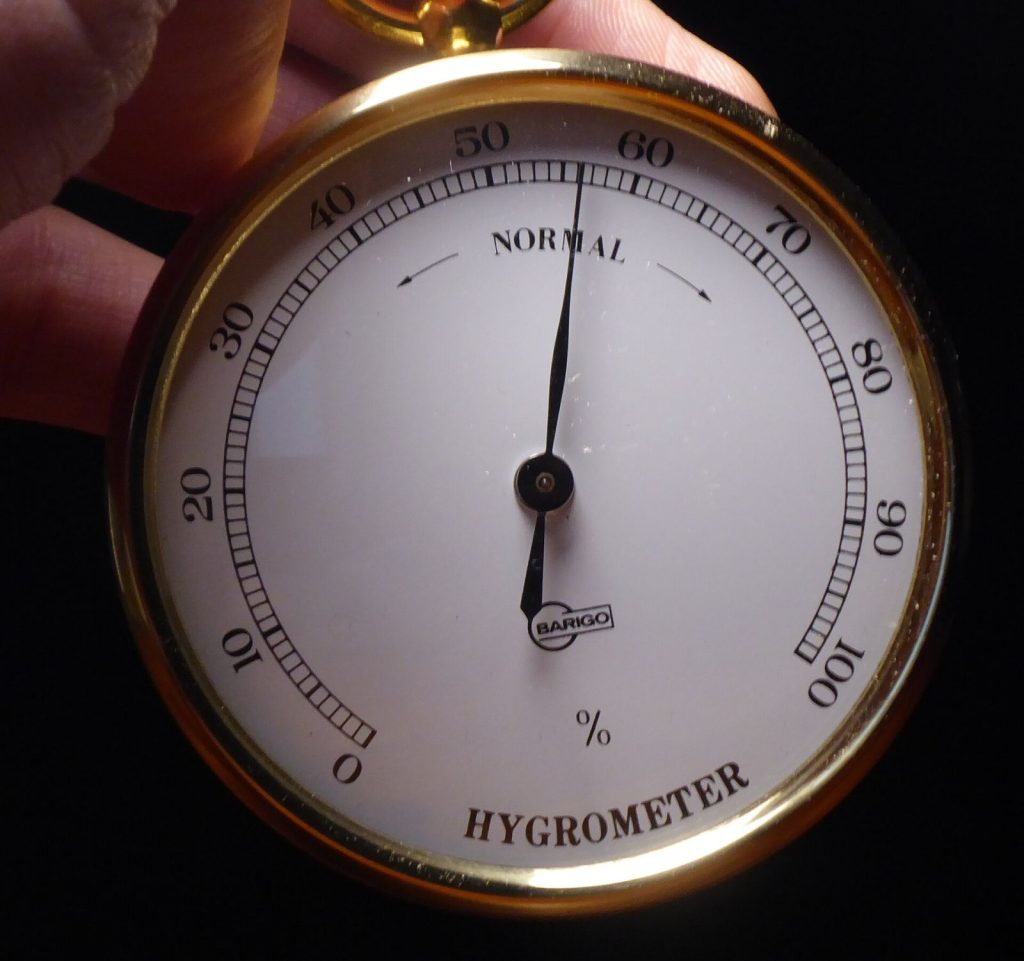
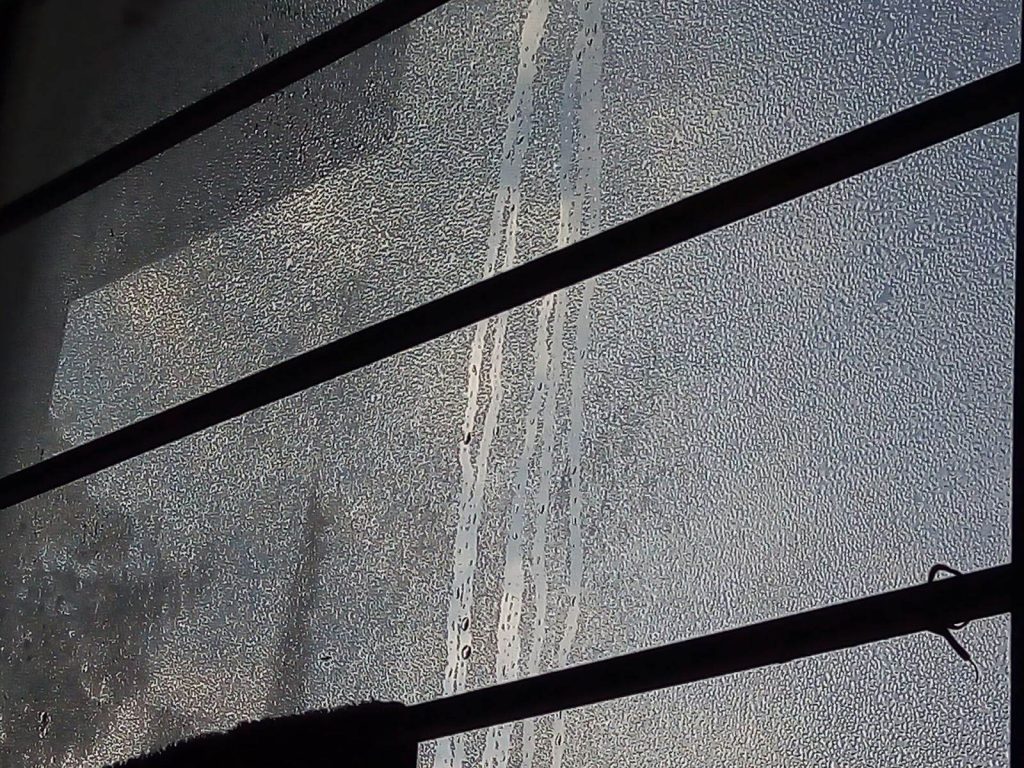
Too little humidity is uncomfortable, but too much is worse: it causes window condensation, musty smells and mold. Keep most rooms around 30 to 50 percent, and lower in very cold weather if your windows start fogging. A cheap hygrometer, or a humidifier with a built-in sensor, takes the guesswork out. Read what humidity your house should be and why windows get condensation.
Keep your humidifier clean and safe
- Empty and rinse the tank daily, and refill with fresh water.
- Clean and disinfect the tank weekly, following the maker’s instructions.
- Replace wicks and filters on schedule.
- Use distilled water in ultrasonic models to avoid white dust.
- Keep warm-mist models out of reach of children and pets.
What a humidifier costs to run
The formula is simple: watts divided by 1,000, times hours, times your price per kWh. Find the wattage on the label or the maker’s spec sheet. As an example only, a unit rated 300 W that runs 8 hours uses 2.4 kWh a night, which is 48 cents at $0.20 per kWh. Warm-mist models heat water, so they usually draw more power than ultrasonic or evaporative ones; check the label on the one you are considering.
To run your own numbers with your local rate, use the Appliance Running Cost Calculator and enter the humidifier’s wattage.
Frequently asked questions
What type of humidifier is best?
For most homes, an evaporative humidifier is the lowest-hassle choice because it leaves no white dust and works with tap water. Ultrasonic models are quieter and often smarter, but work best with distilled water.
Why does my humidifier leave white dust?
Ultrasonic humidifiers can spray dissolved minerals from tap water into the air, where they settle as white dust. Switch to distilled water or an evaporative model.
What humidity should my house be in winter?
Around 30 to 50 percent for most rooms. If windows start fogging in very cold weather, lower it.
How often should I clean a humidifier?
Rinse and refill the tank daily, and clean and disinfect it weekly. Replace filters and wicks as the maker recommends.
Is warm mist or cool mist better?
Both add the same moisture. Warm mist feels cozier and avoids white dust but uses more electricity and is a burn risk around kids; cool mist is safer for children’s rooms.

