
The sky turns orange, air quality alerts start pinging your phone, and everyone rushes to buy the first air purifier they can find. But according to the U.S. Environmental Protection Agency, that purifier is not actually your first line of defense. Most people have this backwards.
What the EPA Actually Recommends First
The EPA is explicit that indoor air purification is a secondary strategy, not the primary one. The primary strategy is sealing your home: closing windows and doors, shutting outside air intakes on your HVAC system, and switching your air conditioner to recirculate mode instead of pulling in outside air. An air purifier helps clean the air that is already inside, it does nothing to stop more smoke from getting in through a cracked window or an HVAC system pulling outdoor air.
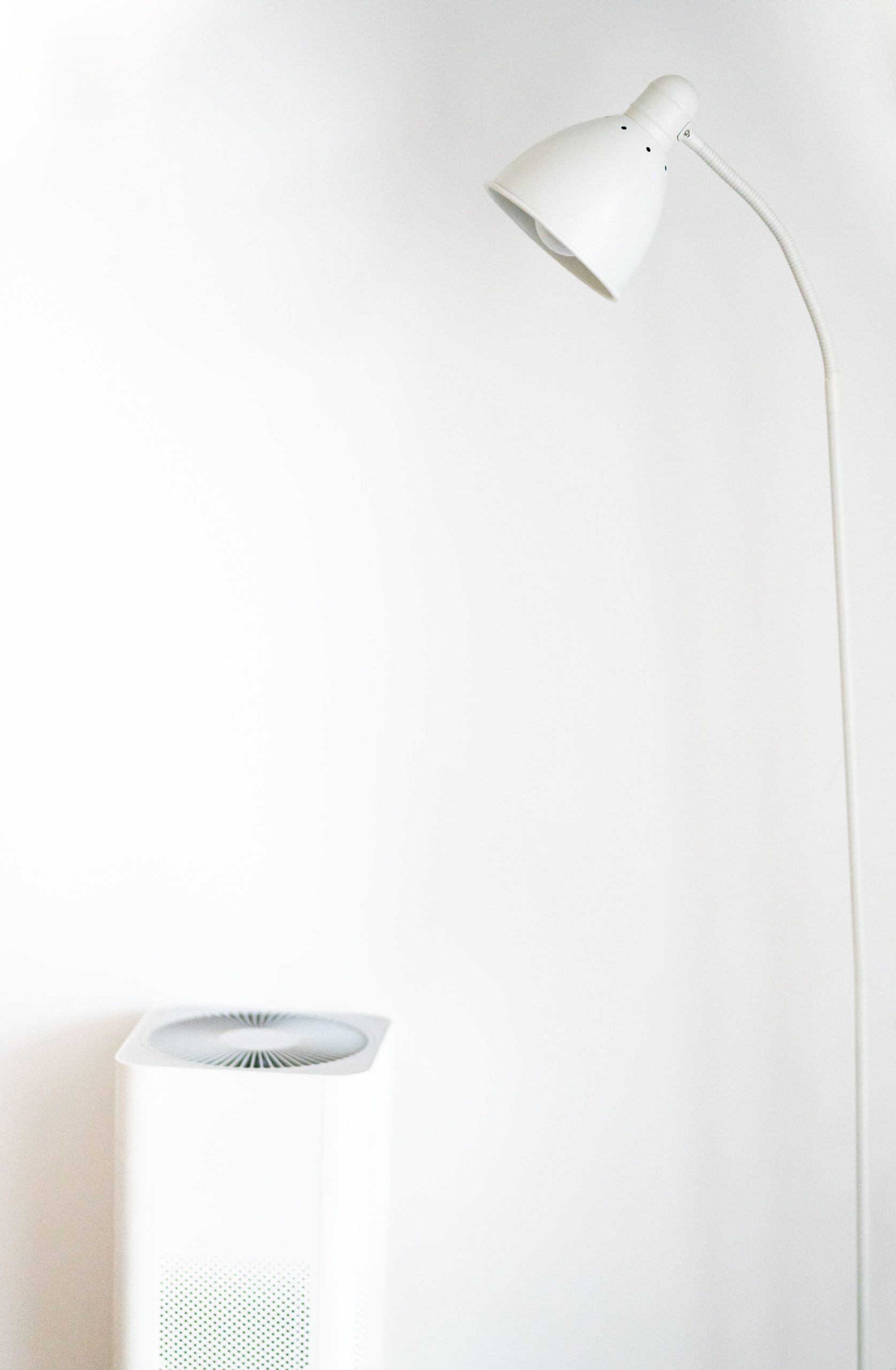
Once your home is actually sealed up, an air purifier becomes genuinely useful for the second half of the problem: the smoke particles already inside.
What to Actually Look For
- CADR rating matched to your room size. Clean Air Delivery Rate tells you how much filtered air a unit actually produces, and it needs to match your square footage, not just your budget.
- True HEPA filtration for the fine particulate matter (PM2.5) that makes wildfire smoke dangerous to breathe.
- Activated carbon, not just HEPA. HEPA filters catch particles, but wildfire smoke also carries VOCs and gases that HEPA alone cannot remove. A deeper carbon bed is what actually handles the smell and the chemical component of smoke.
- Real replacement filter costs, since some units are cheap upfront but expensive to maintain over a full wildfire season.
Top Recommendations (2026)
| Pick | Device | Best For | Typical Price |
|---|---|---|---|
| Budget Pick | Medify MA-50 | Solid HEPA protection for a single room without a premium price tag | ~$150–$180 |
| Best Overall | Blueair Blue Pure 211i Max | Large coverage area with strong filtration, the pick most independent testers land on for whole-room use | ~$350–$400 |
| Premium Pick | IQAir HealthPro Atem X | The deepest carbon filtration available for VOCs and smoke odor, built for severe or prolonged smoke exposure | ~$900+ |
The DIY Option, Verified by Researchers
If buying a purifier is not realistic during an active smoke event, a box fan with a furnace filter taped or strapped to the intake side is a genuine, research-demonstrated alternative. Atmospheric chemistry researchers at the University of Washington have publicly demonstrated building one of these using a standard 20-inch box fan and a filter available at any hardware store. It will not match the filtration of a dedicated HEPA unit, but it meaningfully reduces particle exposure in a pinch, at a fraction of the cost.
Sources
- El Dorado County Air Quality Management District, Wildfire Smoke Information
- University of Washington, DIY home air purifier demonstration
Managing indoor air often goes hand in hand with managing indoor temperature. See our Climate & Energy guide for the thermostat side of the equation.
Last Updated: August 2026