

Last updated November 12, 2026. Reviewed by the HomePilot editorial team.
By the Numbers · Holiday cooking
Thanksgiving is the biggest cooking day of the year in most American kitchens. The oven runs for hours, the stovetop is full, and the dishwasher works overtime afterward. So how much does all that energy actually cost? Less than you might think: the electricity for the whole meal usually comes to a few dollars, well under the price of the cranberry sauce. Here are the real numbers, dish by dish, and a few easy ways to cut them.
By the HomePilot Team · Updated November 7, 2026 · Estimates based on utility figures and the 2026 U.S. average electricity rate · How we research
~8 kWh
Electricity to roast a typical turkey for about 4 hours
~$1.46
What that turkey costs at 18.2 cents per kWh
~$3
Approximate electricity for the whole electric-cooked meal
The short answer
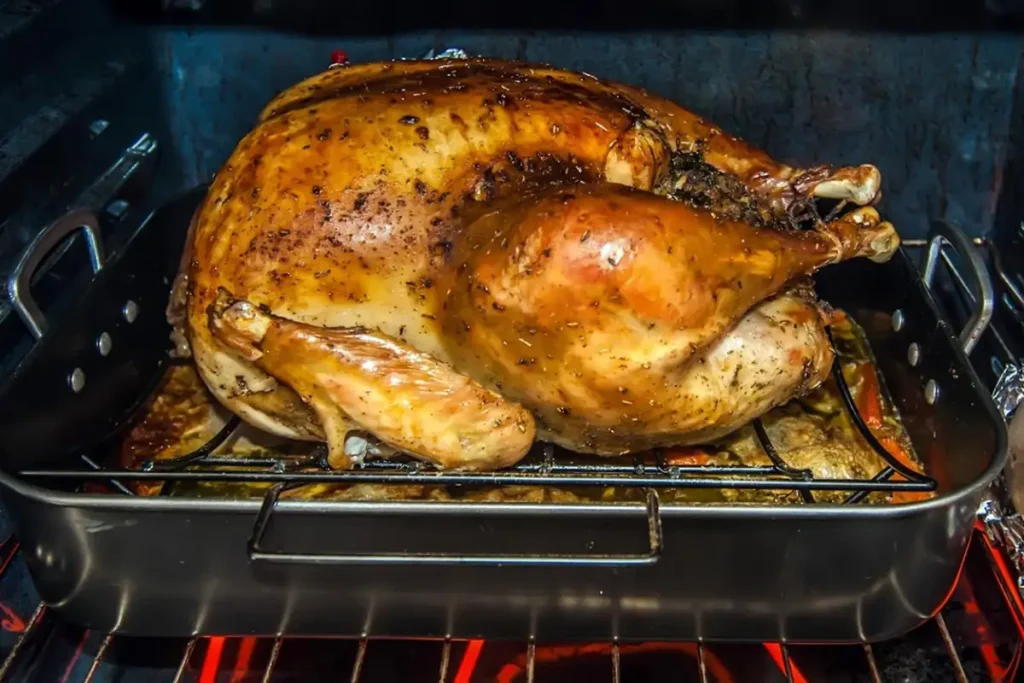
Utilities including TXU Energy and Oncor estimate an electric oven at 350°F uses about 2 kWh per hour, so a turkey roasted for about 4 hours uses roughly 8 kWh. At the 2026 U.S. average of about 18.2 cents per kWh, that is about $1.46. Add stuffing, rolls, casseroles, pies and the stovetop, and the whole meal typically comes to around 15 kWh, or roughly $3. Gas cooking costs less still: Alliant Energy estimated $1.56 for an electric-cooked dinner versus $0.37 with gas at its rates.
The math
kWh × your rate = cost
Turkey: 2 kW × 4 hours = 8 kWh × $0.182 = about $1.46
Ovens are rated at 2,000 to 5,000 watts, but once they reach temperature they cycle their elements on and off, so about 2 kW on average at 350°F is a commonly used estimate. Your oven and your electricity rate will differ; swap in your own numbers.
Thanksgiving dinner, dish by dish
| Dish | Cooking | Energy (estimate) | Cost at 18.2¢/kWh |
|---|---|---|---|
| Roast turkey | Oven, about 4 hours | 8 kWh | $1.46 |
| Stuffing (baked separately) | Oven, 45 minutes | 1.5 kWh | $0.27 |
| Green bean casserole | Oven, 30 minutes | 1 kWh | $0.18 |
| Dinner rolls | Oven, 30 minutes | 1 kWh | $0.18 |
| Two pumpkin pies | Oven, 1 hour | 2 kWh | $0.36 |
| Stovetop sides (potatoes, gravy, cranberry sauce) | Burners, about 1.5 hours combined | 2 kWh | $0.36 |
| Total | About 15.5 kWh | About $2.82 |
These are estimates assuming a 2 kW average oven draw. Clark Public Utilities ran a similar exercise and also arrived at about 15 kWh for a homemade meal with turkey, stuffing, rolls, mashed potatoes, green bean casserole and pumpkin pie.
What it costs at your electricity rate
| Your rate | Turkey (8 kWh) | Whole meal (15.5 kWh) |
|---|---|---|
| 12 cents per kWh | About $0.96 | About $1.86 |
| 18.2 cents (2026 U.S. average) | About $1.46 | About $2.82 |
| 25 cents | About $2.00 | About $3.88 |
| 35 cents (some high-cost states) | About $2.80 | About $5.43 |
Even in the highest-cost states, the energy for the whole meal costs less than a single side dish’s ingredients. Bigger or stuffed turkeys take longer and cost a little more; a smaller bird, or one cut into pieces, cooks faster and uses less.
Electric vs gas: which costs less?
Most homes cook Thanksgiving with electricity; Walton EMC, citing EIA data, puts it at about 63 percent of meals. Gas ranges usually cost less to run per meal. Alliant Energy’s own estimate for a full Thanksgiving dinner came to $1.56 with electric appliances and just $0.37 with gas, at its customers’ rates. Either way, the cooking itself is one of the cheapest parts of the holiday.
$1.56
Full dinner, electric (Alliant Energy estimate)
$0.37
Full dinner, natural gas (Alliant Energy estimate)
~63%
Share of Thanksgiving meals cooked with electricity (EIA, via Walton EMC)
The holiday energy costs that add up more
- Hot water: extra dishwasher loads and hand-washing a stack of roasting pans draw on the water heater.
- The refrigerator: a packed fridge opened dozens of times works much harder; see refrigerator mistakes that cost you money.
- Heating: a house full of guests and a hot oven actually let you turn the thermostat down a degree or two.
- Holiday lights: see what Christmas lights cost to run.

Hosting a crowd: energy-smart prep
- Plan the oven schedule. List every dish with its temperature and time, then group dishes that share a temperature so the oven is never heated twice.
- Make ahead. Pies, cranberry sauce and casseroles can be made a day early, when the oven is free, and reheated together.
- Thaw the turkey in the fridge. The USDA recommends about 24 hours of fridge thawing per 4 to 5 pounds of turkey. A fully thawed bird cooks evenly and on schedule.
- Check the fridge has room. A packed fridge struggles to stay cold; move drinks to a cooler outside or in the garage if it is cold enough.
- Lower the thermostat. A hot oven and a full house add plenty of heat, so you can usually turn the heating down a couple of degrees while you cook.
7 ways to cut cooking energy
- Cook several dishes at once. Fill the oven while it is already hot instead of heating it up again later.
- Do not over-preheat. Most dishes do not need a long preheat; roasts often need none at all.
- Keep the oven door closed. Every peek lets heat escape; use the oven light and window instead.
- Use smaller appliances for sides. An air fryer, microwave, slow cooker or toaster oven uses far less energy than a big oven for small dishes; see air fryer vs oven vs microwave costs.
- Match pot to burner and put lids on pots so water boils faster.
- Turn the oven off a few minutes early for baked dishes and let the retained heat finish the job.
- Run the dishwasher only when it is full, instead of hand-washing under running hot water.
Food safety first
Saving energy should never mean undercooking. The USDA says turkey is safe when it reaches 165°F in the thickest part of the thigh, wing and breast, so use a food thermometer. And keep the kitchen safe: the NFPA says Thanksgiving is the peak day of the year for home cooking fires, so never leave the stovetop unattended.
Want to see what any appliance costs to run? Our free calculator uses your own electricity rate.
Frequently asked questions
How much electricity does it take to cook a turkey?
About 8 kWh for a typical turkey roasted at 350°F for about 4 hours, based on an average oven draw of about 2 kW. At 18.2 cents per kWh, that is about $1.46.
How much does it cost to cook Thanksgiving dinner?
For an electric kitchen, roughly $3 in electricity for the full meal at 2026 average rates. Gas cooking usually costs less; Alliant Energy estimated $1.56 electric versus $0.37 gas at its rates.
Is it cheaper to cook with gas or electric?
Usually gas, per meal, though it depends on your local electricity and gas prices.
Does opening the oven door waste energy?
Yes. Each time you open it, heat escapes and the oven has to work to recover. Use the oven light and window instead.
How can I save energy cooking Thanksgiving dinner?
Cook several dishes together, avoid long preheats, keep the door closed, use smaller appliances for sides and run the dishwasher only when it is full.

