
Last updated November 16, 2026. Reviewed by the HomePilot editorial team.
Your thermostat is in the hallway. You sleep in the back bedroom. So all night, the heat is working to keep a hallway nobody is standing in at exactly 68°F while your bedroom drifts down to 63. A small room sensor promises to fix that for about $40 to $50 a room. Does it?
By the HomePilot Team · Updated October 31, 2026 · Prices and features checked October 2026 · How we research
Short answer: smart thermostat room sensors are worth it if your thermostat sits in a spot that does not match where you actually spend time, or if one room is regularly a few degrees off. They let the thermostat heat or cool based on the bedroom at night and the living room by day. They are not worth it if a room is cold because it gets too little warm air: a sensor cannot send more heat to one room on a single-zone system, so it will just overheat the rest of the house.
Key takeaways
- A room sensor changes where the thermostat measures temperature, not where the heat goes.
- Best for: thermostats in hallways, bedrooms that run cold at night, homes with a sunny or drafty room.
- Fix airflow problems first. If a room’s vent barely blows, a sensor will not solve it.
- Expect roughly $40 to $50 per sensor, or about $99 for an ecobee two-pack, as of late 2026.
What a room sensor actually does
A room sensor is a small battery-powered thermometer that talks wirelessly to your smart thermostat. Instead of reading the temperature only at the wall where the thermostat hangs, the thermostat can use the sensor’s reading, or an average of several rooms, to decide when to run the furnace or air conditioner.
Most systems let you choose which room matters at which time of day. A common setup: the living room during the day, the bedrooms overnight. Some sensors also detect motion, so the thermostat can focus on the rooms people are actually in.
The catch: a sensor cannot move heat
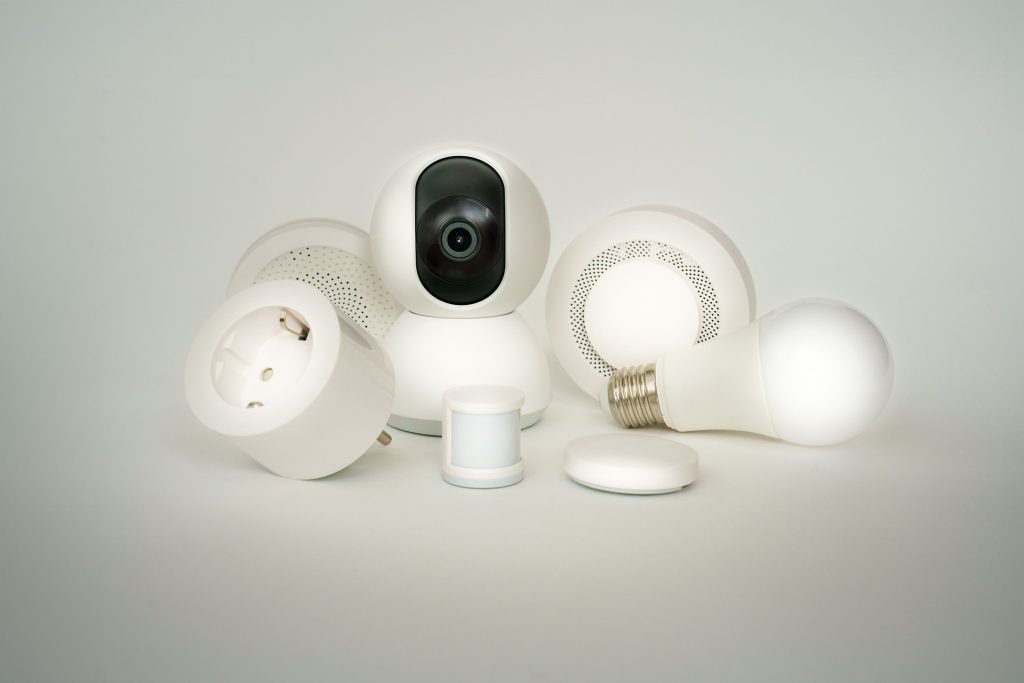
Most homes have one heating zone: one thermostat, one furnace and one set of ducts. When the thermostat calls for heat, every vent blows. A sensor in a cold bedroom will make the thermostat run longer until that room hits the target, which means the warmer rooms get even warmer.
So if your cold room is only 1 to 3 degrees off, a sensor usually balances things nicely. If it is 6 or 8 degrees colder than the rest of the house, the root cause is probably airflow or insulation. Our guide to why one room is colder than the rest covers those fixes, and they should come first.
Who room sensors are worth it for
| Your situation | Worth it? | Why |
|---|---|---|
| Thermostat in a hallway or near the kitchen | Yes | The thermostat stops reacting to a spot nobody uses |
| Bedroom runs a few degrees cold at night | Yes | Prioritize the bedroom overnight for better sleep |
| Sunny room that overheats in the afternoon | Usually | The sensor averages out the sunny spot |
| Two-story home with one thermostat | Often | Average upstairs and downstairs, or favor the floor you are on |
| One room is 6+ degrees colder than the rest | Not by itself | That is an airflow or insulation problem |
| Small apartment with one open room | Rarely | The thermostat already reads the space you use |
| Home with zoned heating or a mini-split per room | Rarely | Each zone already has its own control |
Popular room sensors in 2026
| Sensor | Works with | What it measures | Typical price |
|---|---|---|---|
| Google Nest Temperature Sensor (2nd gen) | Nest Learning Thermostat (3rd and 4th gen); up to six rooms | Temperature | From about $40 each; often bundled with the 4th gen Learning Thermostat |
| ecobee SmartSensor | ecobee smart thermostats | Temperature and occupancy | About $99 for a two-pack |
| Honeywell Home Smart Room Sensor | Compatible Honeywell Home T-series thermostats | Temperature, occupancy, humidity on some models | About $42 each |
| Sensi Room Sensor | Compatible Sensi smart thermostats | Temperature and humidity | About $46 |
Prices move around, especially during holiday sales, so treat these as ballpark figures. Always check that the sensor works with your exact thermostat model before you buy; sensors from one brand do not work with another.
Do room sensors save money?
Sometimes, but think of them mainly as a comfort upgrade. They can save energy when they stop the system from overheating the whole house to satisfy a hallway thermostat near a cold front door, or when motion sensing lets the thermostat ignore empty rooms. They can also increase use if you prioritize a cold room and the rest of the house gets warmer as a result.
The bigger savings come from the thermostat schedule itself. The Department of Energy says turning the thermostat back 7 to 10°F for 8 hours a day can save up to 10 percent a year on heating and cooling. Our Smart Thermostat Savings Calculator estimates what that means for your home.
How to set up room sensors for the best results
- Fix airflow first. Open vents, change the filter and check for blocked registers in the rooms you care about.
- Place sensors about chest height on an inside wall or shelf.
- Keep them away from heat and drafts: not above vents, next to lamps, in direct sun or near exterior doors.
- Start with one or two rooms, usually the main bedroom and the living room.
- Set a schedule: favor the living area during the day and bedrooms at night.
- Give it a week and compare comfort before adding more sensors.

Alternatives to room sensors
- Move the thermostat. An HVAC technician can relocate it to a more representative spot.
- Adjust duct dampers to send a bit more air to the cold side of the house.
- Add zoning or a ductless mini-split for a room the main system cannot reach.
- Use an electric blanket for a cold bedroom at night; it uses far less power than a space heater. See the cost comparison.
Products mentioned in this article
- ecobee SmartSensor 2-Pack – temperature and occupancy sensors for ecobee thermostats
- Google Nest Temperature Sensor (2nd gen) – for Nest Learning Thermostat (3rd and 4th gen)
- Honeywell Home Smart Room Sensor – for compatible Honeywell Home thermostats
- Sensi Room Sensor – for compatible Sensi thermostats
As an Amazon Associate, HomePilot earns from qualifying purchases. Check the listing for current price and compatibility with your home.
Comparing thermostats and sensors? HomePilot Picks gathers the smart home gear we have researched so you can compare before you buy. You can also try our Smart Thermostat Comparison Tool.
Frequently asked questions
Do smart thermostat room sensors really work?
Yes, for balancing comfort. They let the thermostat use the temperature in the room you care about instead of the hallway. They cannot send more heat to one room on a single-zone system.
How many room sensors do I need?
Most homes are well served by one or two, usually in the main bedroom and the main living area. Add more only if a specific room still feels off.
Can a room sensor fix a cold room?
Only if the room is a little cooler than the rest. If it is much colder, the cause is usually airflow, leaky ducts or insulation, and a sensor would just make the other rooms warmer.
Do Nest temperature sensors work with every Nest thermostat?
No. Google says the Nest Temperature Sensor (2nd gen) works with the Nest Learning Thermostat (3rd and 4th gen). Check compatibility for your model before buying.
How long do room sensor batteries last?
Usually a year or more, depending on the model and how often it reports. Most use a coin cell or AAA batteries and send a low-battery alert to the app.