

Last updated November 24, 2026. Reviewed by the HomePilot editorial team.
Checklist · Winter safety
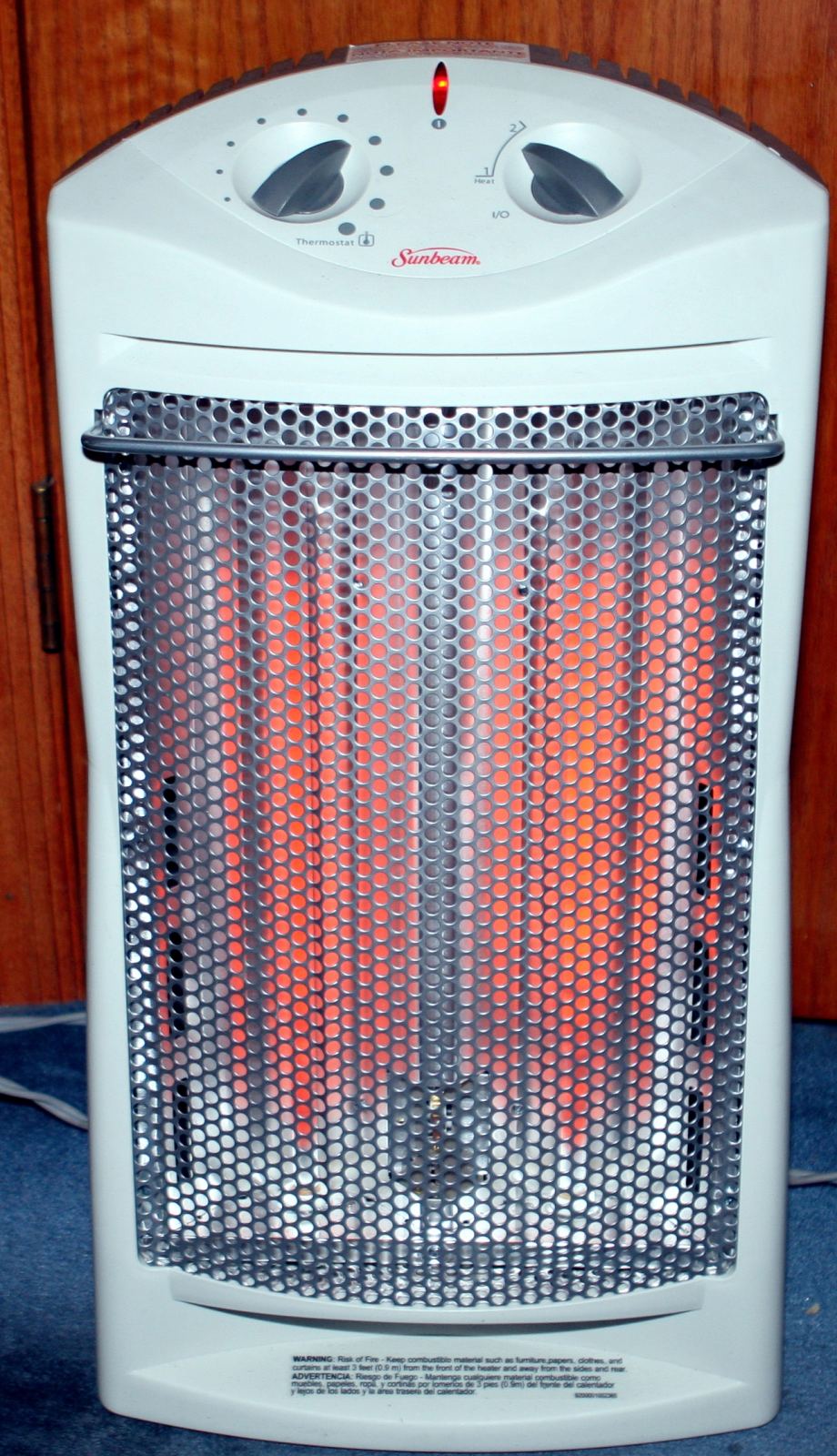
A space heater is one of the quickest ways to warm a cold room, and one of the most dangerous appliances in a winter home if it is used carelessly. The U.S. Consumer Product Safety Commission estimates portable space heaters cause about 1,700 fires, 80 deaths and 160 injuries every year. Almost all of those fires follow the same few mistakes. This checklist covers every one of them, from what to look for when you buy a heater to the rules for using it each night.
By the HomePilot Team · Updated November 7, 2026 · Safety guidance from the CPSC and the National Fire Protection Association · How we research
~1,700
Fires a year from portable space heaters (CPSC)
76%
Of home heating fire deaths involve space heaters and heating stoves (NFPA, 2018 to 2022)
3 feet
The minimum clear zone around any space heater
Before you start: the short answer
Keep a 3-foot clear zone around the heater, plug it directly into a wall outlet (never an extension cord or power strip), turn it off when you leave the room or go to sleep, and choose a heater with tip-over and overheat shutoff and a safety certification label. The NFPA has found that more than half of home heating fire deaths start when heating equipment is too close to something that can burn, such as furniture, clothing or bedding.
Space heater keeps tripping the breaker? Check your circuit with our free Will It Trip the Breaker? checker: tap in what runs together and see what to move.
The space heater safety checklist
Before you buy
- Look for a safety certification mark from a recognized testing lab, such as UL, ETL or CSA, showing it was tested to current safety standards.
- Choose tip-over protection that shuts the heater off if it is knocked over.
- Choose overheat protection that shuts it off if internal parts get too hot.
- Prefer a built-in thermostat so the heater cycles instead of running flat out.
- Check the cord: consumer advocates suggest a sturdy cord at least 6 feet long, so you are not tempted to use an extension cord.
- Mobile home? Use a heater made specifically for mobile homes.

Setting it up
- Keep a 3-foot clear zone on all sides: beds, sofas, curtains, clothes, papers and rugs.
- Set it on a hard, level floor, never on a rug, table or chair where it can tip or block airflow.
- Plug it directly into a wall outlet. The CPSC warns never to use a power strip, and fire officials add never to use an extension cord.
- Do not run the cord under rugs or carpet, where it can overheat unseen.
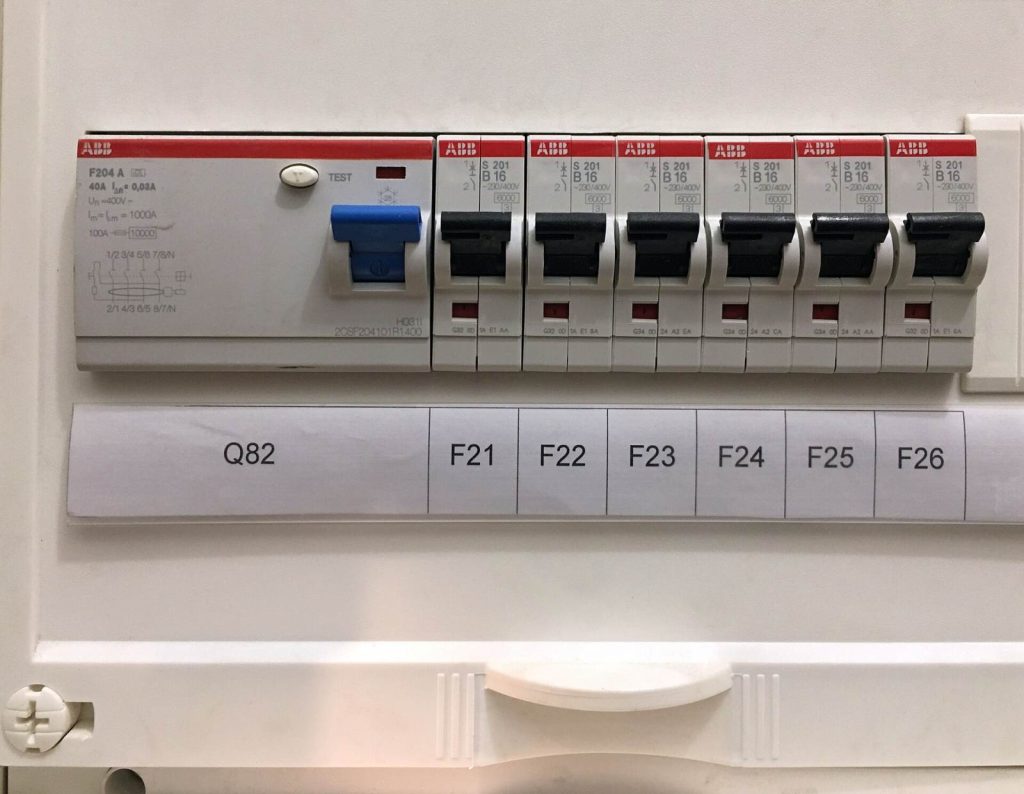
- Avoid sharing a circuit with other big loads such as a microwave or hair dryer; a 1,500-watt heater uses most of a typical circuit. See why breakers trip.
- Keep it away from water, unless it is specifically rated for bathroom use.
Every time you use it
- Never leave it running unattended. Turn it off when you leave the room.
- Turn it off before you go to sleep. NFPA data show heating fires between midnight and 8 a.m. are the fewest, yet they cause almost half of heating fire deaths.
- Never use it to dry clothes, towels or shoes.
- Keep a 3-foot kid-free and pet-free zone around it.
- Unplug it when you are done, by pulling the plug, not the cord.
Once a month
- Feel the plug and outlet after the heater has run a while. Warm is a warning sign; hot means stop using it.
- Check the cord for cracks, fraying or damage.
- Dust the heater and its grilles when it is cool and unplugged.
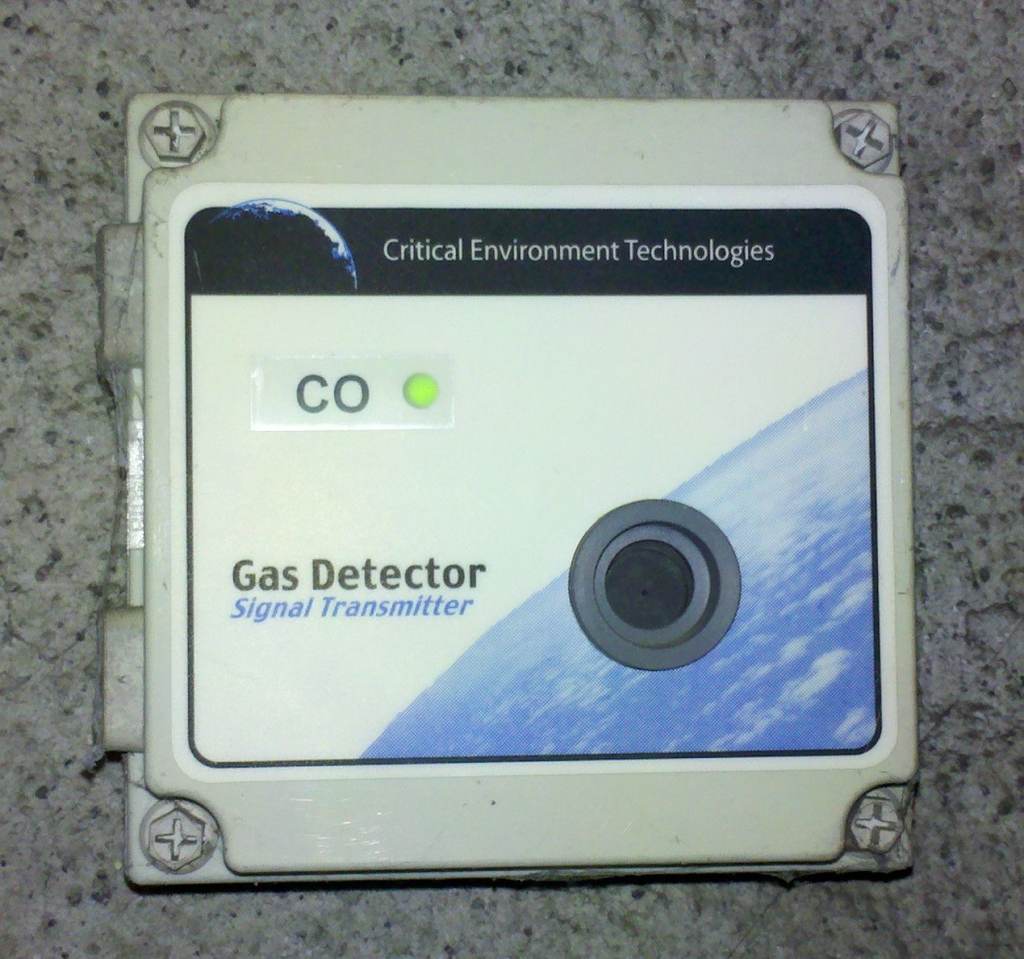
- Test smoke and carbon monoxide alarms. The CPSC recommends smoke alarms on every level and in each bedroom, and CO alarms on each level outside sleeping areas.
Which kind of space heater is safest?
| Heater type | Safety notes |
|---|---|
| Oil-filled radiator | No exposed glowing elements and slow, steady heat; surfaces still get hot |
| Ceramic fan or tower heater | Common and affordable; look for tip-over and overheat shutoff |
| Infrared or quartz heater | Warms people directly; elements glow, so keep the 3-foot zone strict |
| Fuel-burning (kerosene, propane) | Adds carbon monoxide risk; use only indoor-rated models with ventilation |
Whatever type you choose, the same rules apply: certification label, automatic shutoff features, a 3-foot clear zone and a direct wall outlet.
Warning signs: stop using the heater if
| What you notice | What it can mean |
|---|---|
| The plug, cord or outlet feels hot | Overloaded or worn connection; a fire risk |
| A burning or melting smell | Dust burning off is brief and normal; a persistent smell is not |
| Scorch marks or discoloration near the outlet or heater | Overheating; stop and have it checked |
| The breaker keeps tripping | The circuit is overloaded or the heater is faulty |
| The heater turns off and on erratically | A failing thermostat or safety switch |
Fuel-burning heaters need extra care
Kerosene, propane and other fuel-burning space heaters bring a second danger: carbon monoxide. Use only models designed for indoor use, follow the ventilation instructions exactly, never refuel one while it is hot or running indoors, and keep a working CO alarm nearby. Never use an oven, stove or outdoor grill to heat your home; fire safety officials warn against it because of fire and carbon monoxide risks. For power outages, see generator and power station safety.
Safer, cheaper ways to stay warm
A space heater is best for short, supervised use in one room. To stay warm overnight or for long stretches, these options are safer and usually much cheaper:
- A heated blanket uses about a tenth of the power of a space heater; see our heated blanket picks.
- Seal drafts so the room holds its heat; see how to stop drafts.
- Fix the cold room at the source; see why one room is colder.
- Check what it costs: see space heater cost per night.
If a heater catches fire
- Get everyone out and call 911 from outside.
- Do not throw water on an electrical fire.
- Only use an extinguisher on a small fire if you have a clear exit, and only after the heater is unplugged or the power is off.
Frequently asked questions
Is it safe to leave a space heater on overnight?
Fire safety officials recommend turning space heaters off before you go to sleep. NFPA data show heating fires overnight are fewer, but they cause almost half of heating fire deaths.
How far should a space heater be from furniture?
At least 3 feet from anything that can burn, including beds, sofas, curtains, clothes and rugs.
Can I plug a space heater into an extension cord or power strip?
No. The CPSC says to always plug space heaters directly into a wall outlet, never a power strip, and fire officials warn against extension cords too.
What safety features should a space heater have?
Tip-over shutoff, overheat protection, a built-in thermostat and a certification mark from a recognized testing lab such as UL, ETL or CSA.
How many fires do space heaters cause?
The CPSC estimates portable space heaters cause about 1,700 fires, 80 deaths and 160 injuries a year in the U.S.

