

Last updated November 24, 2026. Reviewed by the HomePilot editorial team.
It is the first properly cold night of the year. You switch on the space heater, someone starts the microwave, and half the room goes dark. You flip the breaker back on. Ten minutes later, click, it happens again.
By the HomePilot Team · Updated October 31, 2026 · Checked against NFPA safety data · How we research
Safety first: if the panel or an outlet feels hot, you smell burning plastic, see scorch marks or sparks, or the breaker will not stay on even with everything unplugged, stop resetting it and call a licensed electrician.
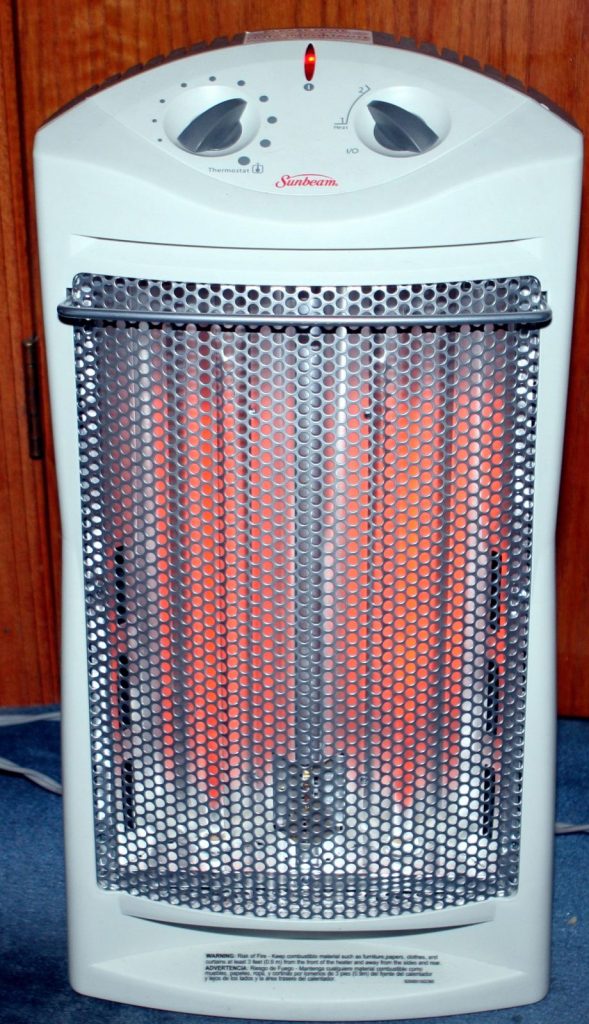
Short answer: a circuit breaker keeps tripping for one of three main reasons: the circuit is overloaded (too many watts at once), there is a short circuit, or there is a ground or arc fault. In winter, overloads are by far the most common cause, usually a 1,500-watt space heater sharing a circuit with other appliances. Move the heater to its own outlet on another circuit, never run it from a power strip, and call an electrician if the breaker trips with nothing plugged in.
Key takeaways
- A tripping breaker is a safety device working, not a nuisance to override.
- A 15-amp circuit can supply about 1,800 watts in total, and electricians size continuous loads to about 80 percent of that, around 1,440 watts.
- One 1,500-watt space heater draws about 12.5 amps, nearly a whole circuit on its own.
- Never “fix” a tripping breaker by swapping in a bigger one. That removes the protection for the wiring.
Space heater keeps tripping the breaker? Check your circuit with our free Will It Trip the Breaker? checker: tap in what runs together and see what to move.
What a circuit breaker actually does
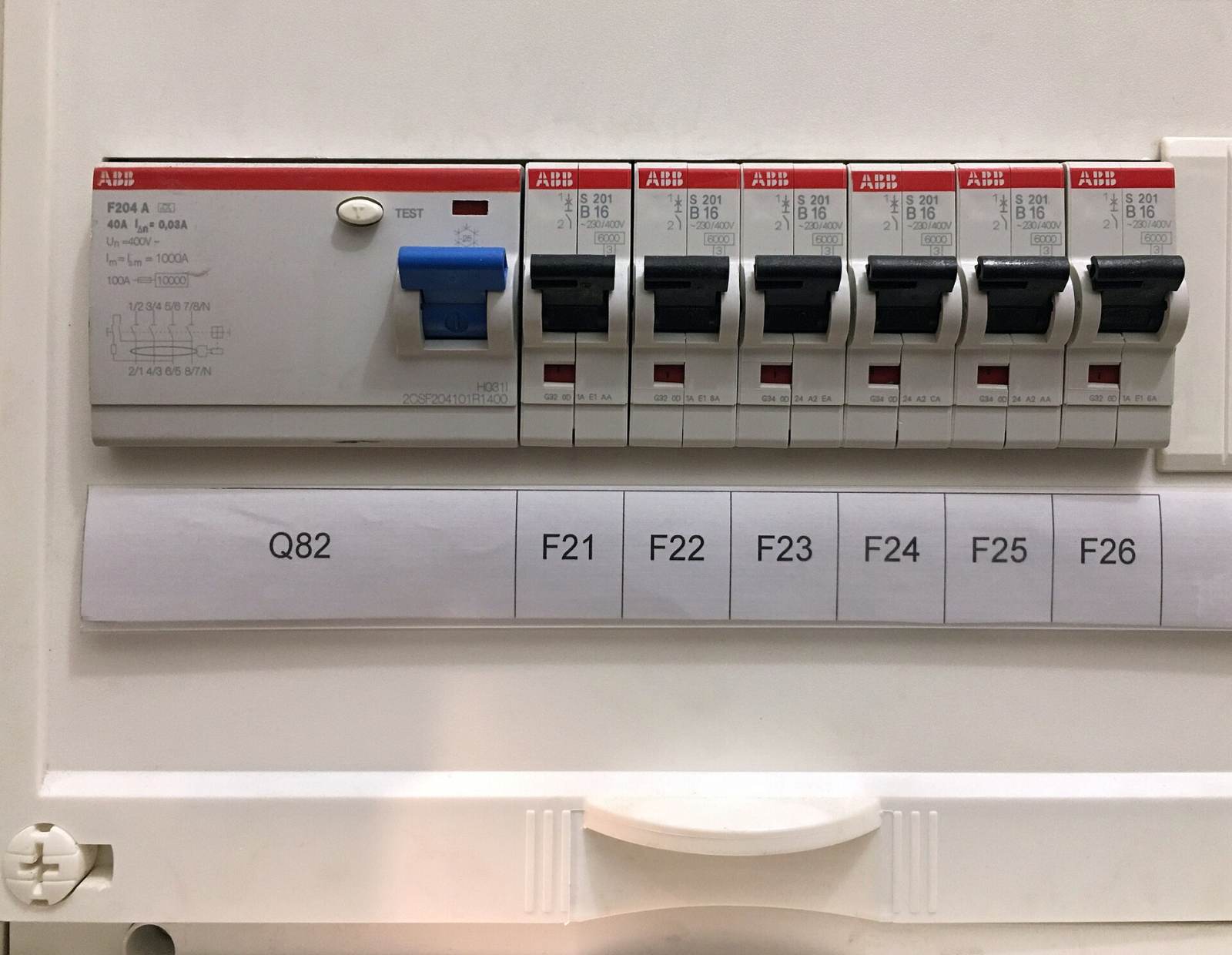
Every circuit in your home runs through a breaker in the electrical panel. The breaker watches how much current flows through it. If the current climbs higher than the wiring can safely carry, the wire would start to heat up, so the breaker snaps off and cuts power. That trip protects the wiring inside your walls from overheating and starting a fire.
Overload, short circuit or fault: how to tell
| Type of trip | What is happening | The clue | What to do |
|---|---|---|---|
| Overload | Too many devices drawing power at once | Trips a few minutes after you add a heater, hair dryer or microwave | Move high-watt devices to other circuits |
| Short circuit | A hot wire touches a neutral wire | Trips instantly, sometimes with a pop, spark or burn mark | Unplug the suspect device; call an electrician if it persists |
| Ground fault | Current leaks to ground, often through water | Trips in kitchens, bathrooms, garages or outdoors | See our guide to GFCI outlets that keep tripping |
| Arc fault (AFCI breaker) | Sparking from a damaged cord, loose connection or worn device | Trips on a bedroom or living room circuit, sometimes at random | Check cords and plugs; have an electrician check loose wiring |
Why space heaters trip breakers in winter
The math is simple. Watts divided by volts equals amps. Most U.S. household outlets run at 120 volts, and most bedroom and living room circuits are 15 amps.
| Circuit | Maximum load | Comfortable continuous load (about 80%) |
|---|---|---|
| 15 amps | About 1,800 watts | About 1,440 watts |
| 20 amps | About 2,400 watts | About 1,920 watts |
A typical space heater on high uses 1,500 watts, which works out to 12.5 amps. That is already more than 80 percent of a 15-amp circuit before anything else is plugged in. Add a vacuum, a hair dryer or a microwave on the same circuit and you go over the limit.
| Appliance | Typical watts | Amps at 120 volts |
|---|---|---|
| Space heater (high) | 1,500 | 12.5 |
| Hair dryer | 1,200 to 1,875 | 10 to 15.6 |
| Microwave | 1,000 to 1,500 | 8.3 to 12.5 |
| Vacuum cleaner | 500 to 1,400 | 4.2 to 11.7 |
| Electric blanket | 100 to 200 | 0.8 to 1.7 |
| LED TV | 50 to 150 | 0.4 to 1.3 |
Check the label on your own appliances for exact numbers. Our Appliance Running Cost Calculator also shows what each one costs to run.
How to find what is tripping it
- Unplug or switch off everything on the dead circuit.
- Reset the breaker: push the handle firmly to OFF first, then back to ON. Many tripped breakers will not reset if you push straight to ON.
- Plug devices back in one at a time, starting with the most important. Wait a few minutes after each.
- Note what trips it. If it trips only when the heater and another appliance run together, it is an overload. If one device trips it alone, that device may be faulty.
- If it trips with nothing plugged in, stop. That points to a wiring fault or a failing breaker and needs an electrician.
- Map your circuits. While you are there, label which outlets each breaker controls. It makes the next trip a 30-second fix.
How to stop the breaker from tripping
- Give the space heater its own circuit. Find an outlet that is on a different breaker from other big appliances.
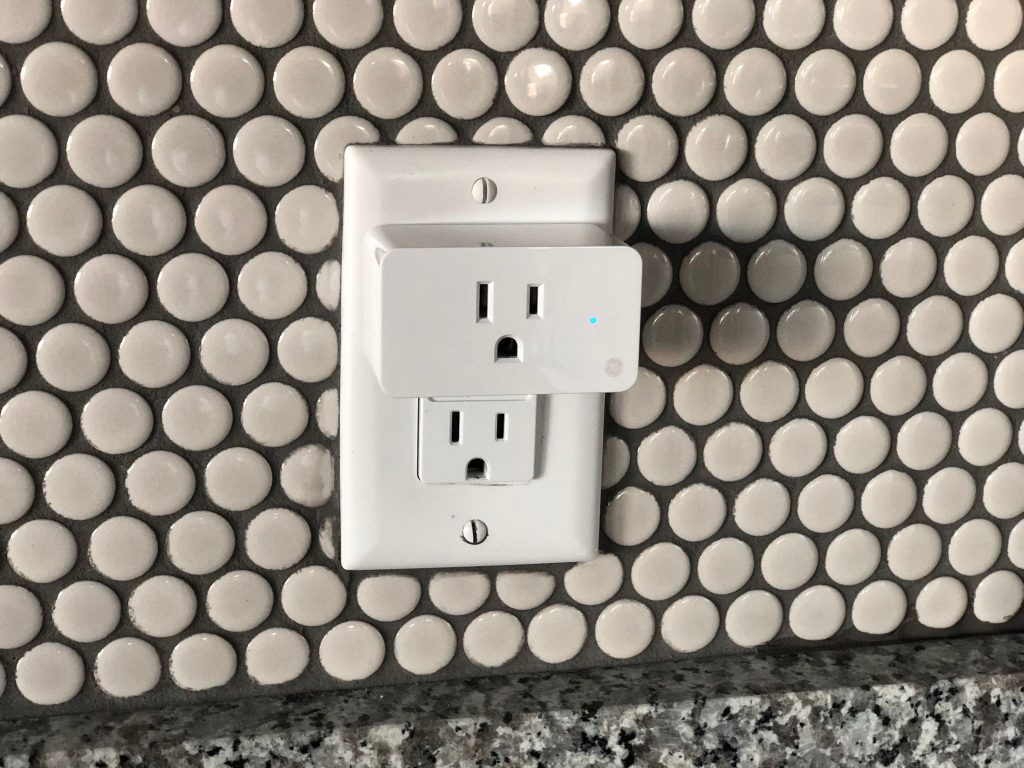
- Plug heaters straight into the wall. Fire-safety groups warn against running space heaters through extension cords or power strips, which can overheat.
- Stagger big loads. Do not run the hair dryer and the heater on the same bathroom or bedroom circuit at the same time.
- Use the heater’s low setting (often 750 to 900 watts) or an electric blanket instead. See electric blanket vs space heater costs.
- Replace damaged cords and devices. A frayed cord or a heater that smells hot is a fire risk, not just a nuisance.
- Ask an electrician about a new circuit if you regularly need more power in one room, such as a home office or a garage workshop.
When to call an electrician
- The breaker trips with nothing plugged in
- It trips immediately every time you reset it
- The breaker or panel is warm, buzzing or smells burnt
- Outlets or switch plates are discolored or warm
- Lights flicker or dim throughout the house, not just when one appliance starts
- The breaker will not reset at all
Never replace a breaker with a higher-amp one to stop the trips. The breaker is sized to the wire. A 20-amp breaker on wire made for 15 amps lets the wire overheat inside the wall.
Why this matters: space heaters and home fires
The National Fire Protection Association (NFPA) found that between 2011 and 2015, space heaters were involved in 43 percent of U.S. home heating fires but 85 percent of home heating fire deaths. More than half of those deaths came from fires that started when a heater was too close to furniture, bedding or clothing. The NFPA’s advice is to keep space heaters at least three feet from anything that can burn and to turn them off when you leave the room or go to sleep.
Frequently asked questions
Why does my breaker keep tripping when I use a space heater?
A 1,500-watt heater draws about 12.5 amps, most of a 15-amp circuit’s capacity. Anything else running on the same circuit can push it over the limit. Move the heater to an outlet on a different circuit.
Is it dangerous if a breaker keeps tripping?
The trip itself is the breaker protecting you. It becomes dangerous if you ignore it, overload the circuit with extension cords, or the breaker trips with nothing plugged in, which can point to a wiring fault.
Can a breaker go bad?
Yes. Breakers can wear out after years of trips or heat. If one trips under light loads or will not reset, have an electrician test and replace it.
How many space heaters can I run on one circuit?
Only one, and even then with little else on the circuit. Two 1,500-watt heaters on a 15-amp circuit will trip it.
Should I replace a 15-amp breaker with a 20-amp one?
No, not unless an electrician confirms the wiring is rated for 20 amps. The breaker size must match the wire, or the wire can overheat.

