

Last updated November 20, 2026. Reviewed by the HomePilot editorial team.
Versus · Home backup power
Every winter storm sends a wave of people searching “generator for home” at the same moment the power goes out. By then, stores are sold out and the wrong choice can be dangerous. There are really three options: a portable gas generator, a battery power station, or a permanently installed standby generator. Each one is right for a different home, budget and kind of outage. Here is how they compare, and how to choose before you need one.
By the HomePilot Team · Updated November 4, 2026 · Safety guidance from the U.S. Consumer Product Safety Commission · How we research
The verdict
Choose a battery power station if you want quiet, indoor-safe backup for essentials like the fridge, router and phones, especially in an apartment. Choose a portable gas generator if you need more power for longer and can run it safely outdoors, at least 20 feet from the house. Choose a standby generator if outages are frequent or long where you live and you want the whole home covered automatically; Generac puts typical installed costs at about $8,000 to $16,000.
Power station vs portable generator, side by side
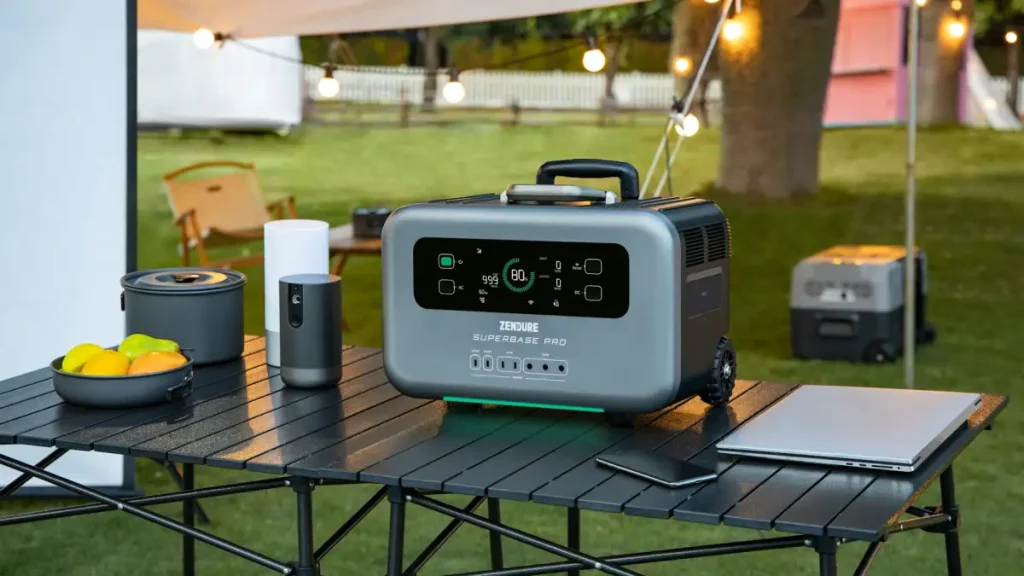
Battery power station
- Silent and fume-free, safe indoors
- Runs essentials for hours to a day or two
- Recharges from the wall, a car or solar
- Little maintenance; no fuel to store
- Limited output; heating and big appliances drain it fast
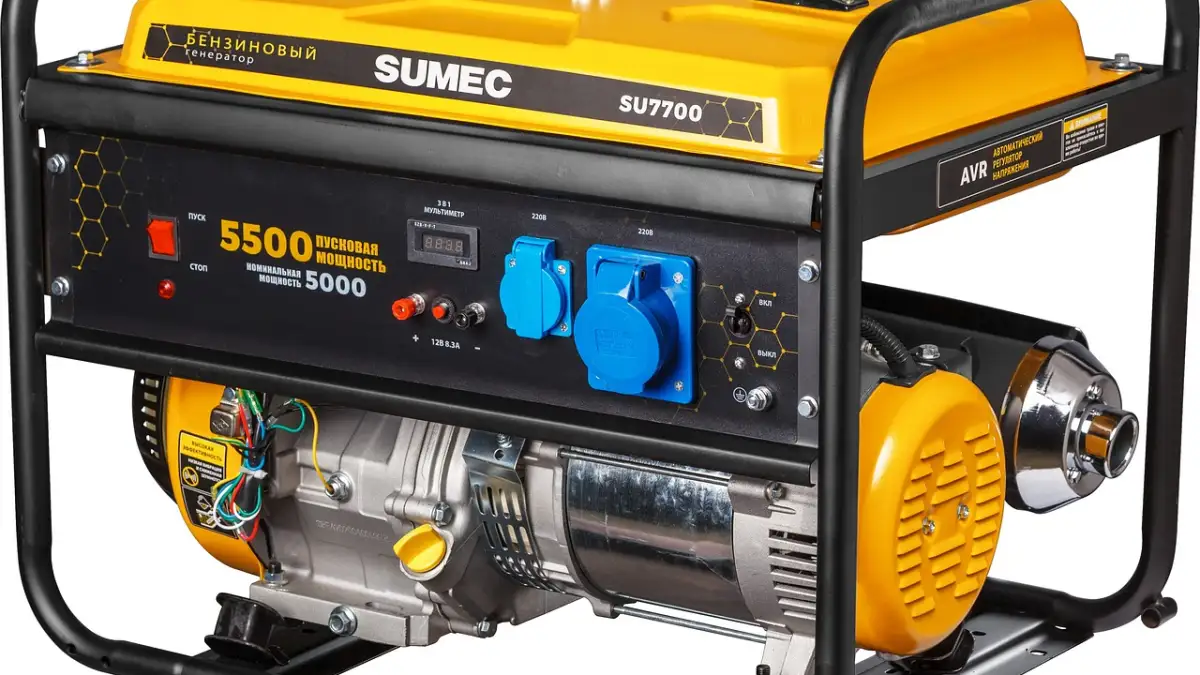
Portable gas generator
- Much more power for as long as you have fuel
- Can run a fridge, freezer, sump pump and more
- Noisy, needs fuel and regular maintenance
- Must run outdoors, 20+ feet from the home
- Carbon monoxide risk if used wrongly
All three options compared
| Battery power station | Portable generator | Standby generator | |
|---|---|---|---|
| Typical cost | A few hundred to several thousand dollars | Usually a few hundred to a few thousand dollars | About $8,000 to $16,000 installed (Generac guidance) |
| Power available | Limited by battery size | Moderate to high | Whole home or chosen circuits |
| How long it runs | Hours to a couple of days | As long as you refuel | As long as natural gas or propane lasts |
| Starts automatically? | Some switch over instantly (UPS) | No, you start it | Yes, within seconds |
| Indoor safe? | Yes | Never | Installed outdoors permanently |
| Noise | Silent | Loud | Moderate |
| Fuel | Electricity or solar | Gasoline, sometimes propane | Natural gas or propane |
| Best for | Apartments, essentials, short outages | Homeowners, longer outages on a budget | Frequent or long outages, medical needs |
The safety issue you cannot skip
Portable generators are the most dangerous option when misused. The U.S. Consumer Product Safety Commission says an average of nearly 100 people die each year from carbon monoxide poisoning linked to portable generators. Carbon monoxide has no color or smell and can kill in minutes.
Portable generator safety rules
- Run it outside only, at least 20 feet from the house, with the exhaust pointed away from doors, windows and vents. That is the CPSC’s guidance.
- Never run it in a garage, basement, shed, porch or carport, even with the doors open.
- Choose a model with automatic CO shutoff. A CPSC report found models meeting newer safety standards could prevent most CO deaths.
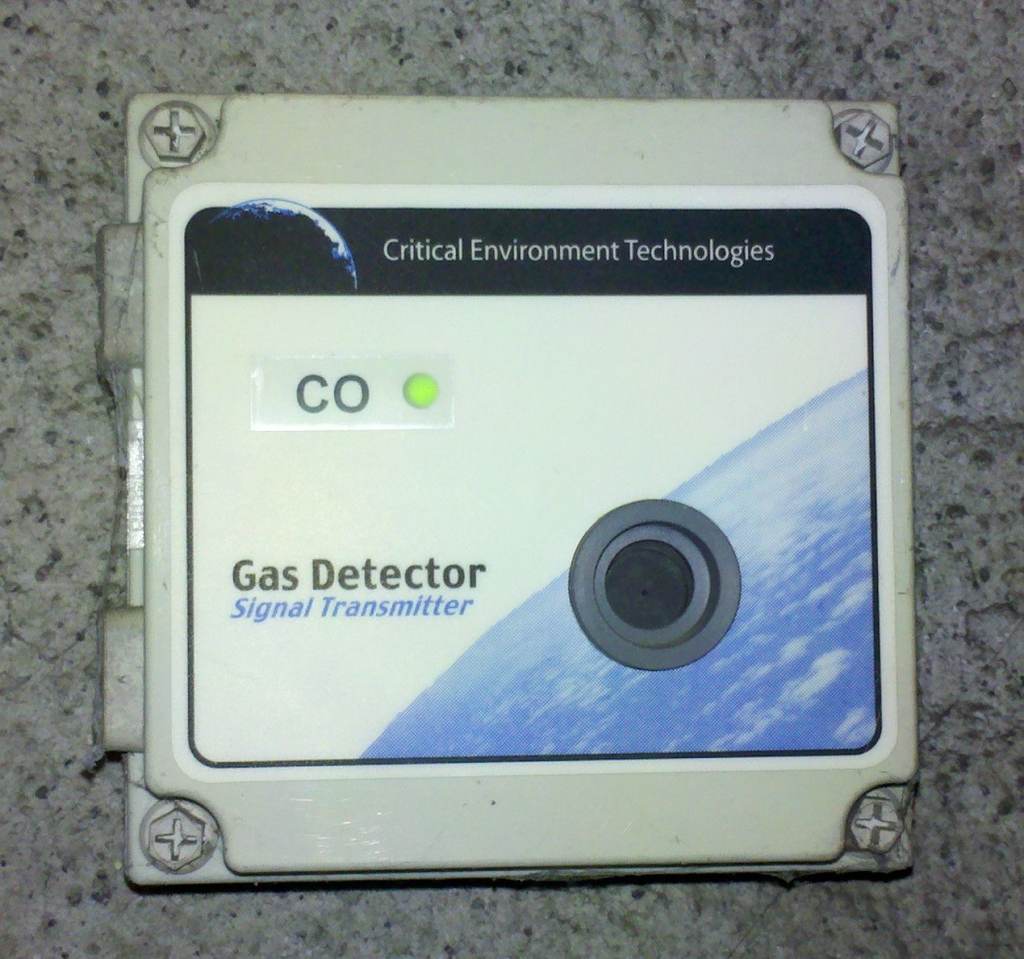
- Install battery-powered CO alarms on every level of your home and test them.
- Never plug a generator into a wall outlet. Use a heavy-duty outdoor extension cord, or have an electrician install a transfer switch or interlock.
- Keep it dry under an open canopy; never cover it with a tarp while running.
When a battery power station is the right call
A power station is the simplest and safest choice for most people who mainly lose power for a few hours at a time. It runs indoors, so you can keep the router, phones, lights and a CPAP going in the bedroom, and a 1,000 Wh unit can keep a newer fridge cold for many hours. Many models switch over automatically within milliseconds. The trade-off is capacity: heating, electric cooking and big appliances drain batteries fast. See our best portable power stations for home backup and how to size one.
Browse portable power stations on Amazon →
When a portable generator makes sense
If you own a house with outdoor space, lose power for days at a time, or need to run a well pump, sump pump or chest freezer, a portable generator gives far more power for the money. An inverter generator is quieter and produces cleaner power for electronics. A dual-fuel model can run on propane, which stores better than gasoline. Budget for a transfer switch or interlock installed by an electrician so you can power selected circuits safely.
Browse inverter generators with CO shutoff on Amazon →

When a standby generator is worth it
A standby generator sits on a pad outside, runs on natural gas or propane, and switches on by itself within seconds of an outage. It is the only option that can run central heating, air conditioning and every appliance without you lifting a finger. Generac’s own guidance puts typical installed costs at about $8,000 to $16,000, including the generator, transfer switch and installation. It makes the most sense where outages are frequent or long, for households with medical equipment, or if you work from home and cannot afford downtime.
Running costs and upkeep
| Battery power station | Portable generator | Standby generator | |
|---|---|---|---|
| Ongoing cost | Electricity to recharge, a few cents per charge | Fuel, oil and spark plugs | Natural gas or propane, plus yearly service |
| Upkeep | Top up the charge every few months | Run it monthly, change oil, use fuel stabilizer or drain the tank | Professional maintenance, typically once a year |
| Storage | Indoors, like any electronics | Outdoors or in a shed with fuel stored safely | Permanent outdoor installation |
Old gasoline is the most common reason a portable generator will not start when you finally need it. If you choose gas, add stabilizer to stored fuel, or pick a dual-fuel model and keep propane on hand, which stores far better. Battery stations lose a little charge sitting on a shelf, so set a reminder to top them up before storm season. Either way, test your backup once before the first winter storm, not during it.
Which one should you choose?
| Your situation | Best option |
|---|---|
| Apartment or condo | Battery power station |
| Outages of a few hours, a couple of times a year | Battery power station |
| Multi-day outages, house with a yard, tight budget | Portable inverter generator plus transfer switch |
| Frequent or long outages, want it automatic | Standby generator |
| Medical equipment like a CPAP or oxygen concentrator | Battery station for the device; standby generator for the home |
| Well pump or sump pump | Portable or standby generator |
Whichever you choose, prepare the rest of the house too. Our winter home checklist and guide to preventing frozen pipes cover what to do before the storm.
Frequently asked questions
Is a portable power station better than a generator?
It depends on the outage. A power station is quieter, safe indoors and maintenance-free, ideal for essentials and short outages. A gas generator delivers more power for longer, but must run outdoors and carries a carbon monoxide risk.
How far from the house should a generator be?
At least 20 feet, with the exhaust pointed away from doors, windows and vents, according to the U.S. Consumer Product Safety Commission. Never run one in a garage or on a porch.
How much does a whole-house generator cost?
Generac’s guidance puts typical installed costs for a home standby generator at about $8,000 to $16,000, depending on size, fuel connection and installation.
Can I plug a generator into a wall outlet?
No. Backfeeding through an outlet can damage your home’s wiring, start a fire and endanger utility workers. Use extension cords or have an electrician install a transfer switch or interlock.
Can a power station run my whole house?
Most cannot. Large expandable systems can cover essential circuits or more with professional installation, but typical 1,000 to 2,000 Wh units are for essentials only.

