

Last updated November 16, 2026. Reviewed by the HomePilot editorial team.
By the Numbers · Home upgrades
Window salespeople often lead with energy savings: new windows will pay for themselves. Will they? The honest answer is that new windows do cut energy bills, sometimes noticeably, but rarely fast enough to pay back their full cost on energy alone. The case for replacing windows is usually a mix of savings, comfort, noise, maintenance and resale value. Here are the real numbers, how to work out your own payback, and the cheaper fixes to try first.
By the HomePilot Team · Updated November 12, 2026 · Savings figures from ENERGY STAR; resale figures from the Cost vs. Value report · How we research
~13%
Average energy cost savings from replacing poor windows with ENERGY STAR models
$200–$600
Typical yearly savings, depending on where you live (ENERGY STAR)
60–70%
Share of the cost recouped at resale (Cost vs. Value, via This Old House)
The short answer
ENERGY STAR says replacing poor-performing windows with certified models saves an average of about 13 percent on energy costs, typically $200 to $600 a year depending on your climate. Because a whole-house window job usually costs thousands, the energy savings alone often take well over a decade to repay it. New windows make the most sense when your current ones are single-pane, failing or rotting, when you value comfort and quiet, or when you plan to sell. If your windows are in decent shape, sealing, weatherstripping and storm windows deliver much of the comfort for far less.
The math: work out your own payback
Example: $10,000 ÷ $400 a year = 25 years
The example uses an illustrative project cost; get real quotes for your home. Resale value changes the picture: if you sell, the Cost vs. Value report suggests you may recoup roughly 60 to 70 percent of the cost, according to This Old House. Federal and local incentives come and go, so check current tax credit rules and ask your utility about rebates before you buy.
| Yearly savings | Payback on a $6,000 job | Payback on a $10,000 job | Payback on a $15,000 job |
|---|---|---|---|
| $200 | 30 years | 50 years | 75 years |
| $400 | 15 years | 25 years | 37.5 years |
| $600 | 10 years | About 17 years | 25 years |
When replacing windows makes sense
- Single-pane windows, which lose far more heat than modern double-pane glass and deliver the biggest savings when replaced.
- Rotting, warped or damaged frames that cannot be repaired.
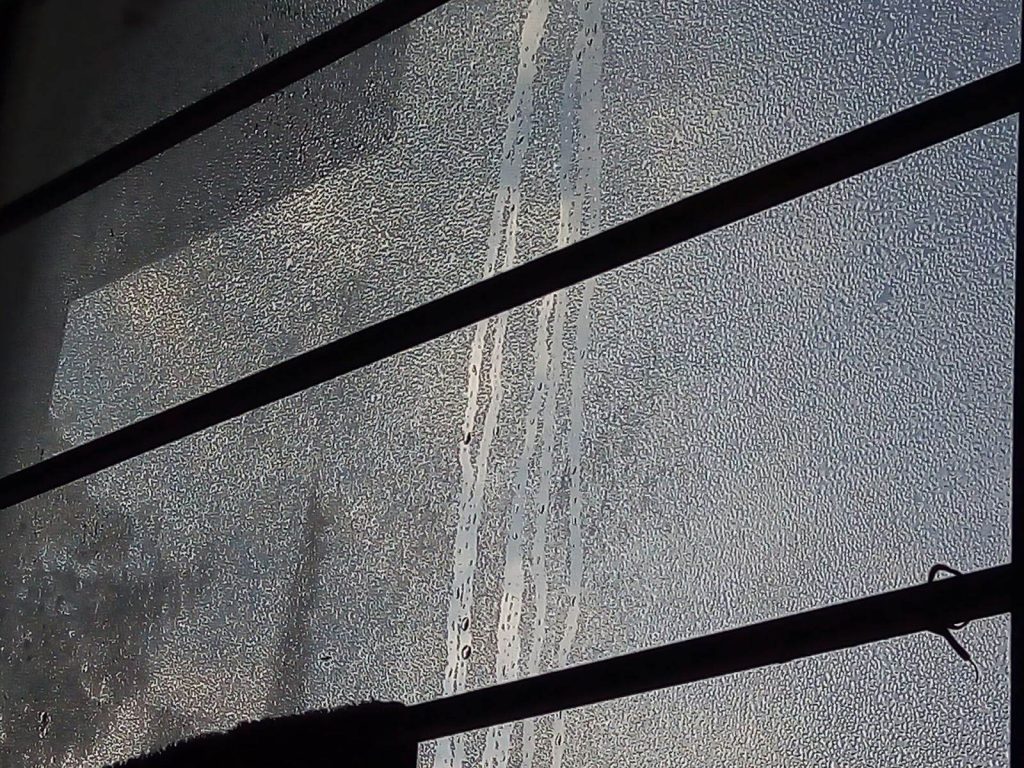
- Failed seals, shown by fog or condensation between the panes of double-pane glass.
- Windows that will not open, close or lock properly, a safety issue.
- Heavy noise from a busy street; new windows can make a big difference.
- A planned sale or remodel, where resale value and appearance matter.
When to try cheaper fixes first
If your windows are double-pane and structurally sound, much of the discomfort usually comes from air leaks around them rather than the glass itself. These fixes cost a fraction of replacement:
| Fix | What it does | Cost |
|---|---|---|
| Caulk and weatherstripping | Seals the drafts around frames and sashes | $ |
| Window insulation film kits | Adds an insulating air layer for the winter | $ |
| Cellular (honeycomb) shades or thermal curtains | Slows heat loss at night | $$ |
| Storm windows, inside or outside | Adds a second layer over existing windows | $$ |
| Repairing or replacing just the worst windows | Targets the biggest problem first | $$ to $$$ |
Start with our guide on how to stop drafts around windows and doors; it covers each fix step by step.

If you replace, choose the right windows
- Look for the ENERGY STAR label for your climate zone; the requirements differ between northern and southern climates.
- Check the NFRC label: a lower U-factor means better insulation; the solar heat gain coefficient (SHGC) matters for how much sun heat comes in.
- Cold climates: prioritize a low U-factor; triple-pane can make sense in the coldest regions.
- Hot climates: prioritize a low SHGC to keep out summer heat.
- Installation matters as much as the window. A great window installed with gaps around it will still leak; get multiple quotes and ask how they seal and insulate the frame.
Replace all the windows, or just some?
You do not have to replace every window at once. Many homeowners start with the worst performers: single-pane windows, those with failed seals or rotting frames, or windows in the rooms you use most, such as bedrooms and the living room. Replacing in phases spreads the cost and lets you see the difference before committing to the rest. Just make sure later windows match the earlier ones in style and color.
Renting? Window replacement is the landlord’s call, but you can still cut drafts with removable window film, thermal curtains and draft stoppers, and report failed seals or broken windows so they can be repaired.
Questions to ask before you sign
- Are these windows ENERGY STAR certified for my climate zone, and what are their U-factor and SHGC?
- Is this a full-frame replacement or an insert, and why?
- How will you seal and insulate around the frame?
- What do the product and installation warranties cover, and for how long?
- Can you itemize the quote so I can compare it with other installers?
The benefits beyond the energy bill
New windows often feel like a bigger upgrade than the numbers suggest. Rooms near windows are warmer in winter and cooler in summer, drafts disappear, outside noise drops, condensation and frost on the glass are reduced, and modern windows are easier to clean and maintain. Those comfort gains are real even when the payback period is long. They also help with problems like condensation on the inside of windows and rooms that are colder than the rest.
Want to see where your heating money goes? Our free calculator compares heating costs with your own rates.
Frequently asked questions
Do new windows really save money?
Yes. ENERGY STAR says replacing poor-performing windows with certified models saves about 13 percent on energy costs on average, typically $200 to $600 a year depending on your climate.
How long do replacement windows take to pay for themselves?
On energy savings alone, often more than a decade for a whole-house job, depending on cost, climate and how poor the old windows were. Resale value shortens the effective payback if you sell.
Is it worth replacing double-pane windows?
Usually only if they are failing, such as fogging between panes, or damaged. Otherwise, sealing drafts and adding storm windows or shades is far cheaper.
How much of the cost do new windows add to home value?
Remodeling’s Cost vs. Value report suggests homeowners recoup roughly 60 to 70 percent at resale, according to This Old House.
What is cheaper than replacing windows?
Caulk, weatherstripping, window insulation film, cellular shades and storm windows all cut drafts and heat loss for far less.

