

Last updated November 16, 2026. Reviewed by the HomePilot editorial team.
Did you know some home upgrades pay you back? Not in a vague “good for the planet” way, but in actual dollars that come back on your bills until the upgrade has paid for itself, and then keep coming. Others sound like smart money moves and take ten years or more to break even. The trick is knowing which is which before you spend.
By the HomePilot Team · Updated October 31, 2026 · Payback math based on DOE, ENERGY STAR and EIA figures · How we research
Short answer: the home upgrades that pay for themselves fastest are usually the cheapest ones: LED bulbs in lights you use for hours, a programmable or smart thermostat schedule, cutting standby power, and dropping to an internet plan that matches what you actually use. Bigger purchases such as a heat pump or a new refrigerator can pay off too, but only in the right situation. Use the free HomePilot calculators below to check the payback for your own home before you buy.
The one formula you need
Payback time = upfront cost ÷ yearly savings. If a $100 upgrade saves $50 a year, it pays for itself in 2 years, and everything after that is profit. Anything that pays back in under 3 years is usually a clear win. Ten years or more is only worth it if the upgrade also solves another problem, like a broken appliance or an uncomfortable room.
The calculators below give you the yearly savings half of that formula, using your own electricity rate. They default to the U.S. average of about 18.4 cents per kWh from EIA data, but you can pick your state or type the rate from your bill.
Upgrades at a glance
| Upgrade | Upfront cost | Typical payback | Check it with |
|---|---|---|---|
| Switch heavily used bulbs to LED | A few dollars per bulb | Often months | LED Bulb Savings Calculator |
| Drop to the right internet plan | Free | Immediate | Home Internet Speed Calculator |
| Cut standby power | Free to a smart power strip | Months to a year or two | Appliance Running Cost Calculator |
| Smart thermostat | About $100 to $280 | Often 1 to 3 years | Smart Thermostat Savings Calculator |
| Unplug a spare fridge | Free | Immediate | Fridge Run-Time Checker |
| Heat pump instead of electric heat | High | Varies widely by climate and fuel prices | Heating Cost Calculator |
| Right-size the AC or water heater | Avoids overspending | Saves on purchase and running cost | BTU and Water Heater Size calculators |
1. LED bulbs in the lights you use most
The Department of Energy says LEDs use about 75 percent less energy than incandescent bulbs and can last up to 25 times longer. Replacing one 60-watt bulb used 5 hours a day with a 9-watt LED saves about 93 kWh a year, roughly $17 at the national average rate. A bulb that costs a few dollars pays for itself within a few months, then keeps saving for years.
Best payback: kitchen, living room, porch and any light that stays on for hours. A closet light used two minutes a day can wait.

2. The right internet plan
This is the rare upgrade that costs nothing. Many households pay for gigabit plans when their real simultaneous use, a couple of HD or 4K streams and some video calls, needs far less. The Home Internet Speed Calculator adds up your household’s actual activity, using published figures such as Netflix’s 25 Mbps for 4K. If a lower tier costs $20 less a month and still covers you, that is $240 a year back.
Before you downgrade, rule out weak Wi-Fi, which often feels like slow internet. Our guide to how much internet speed you need covers the difference.
3. Cutting standby power
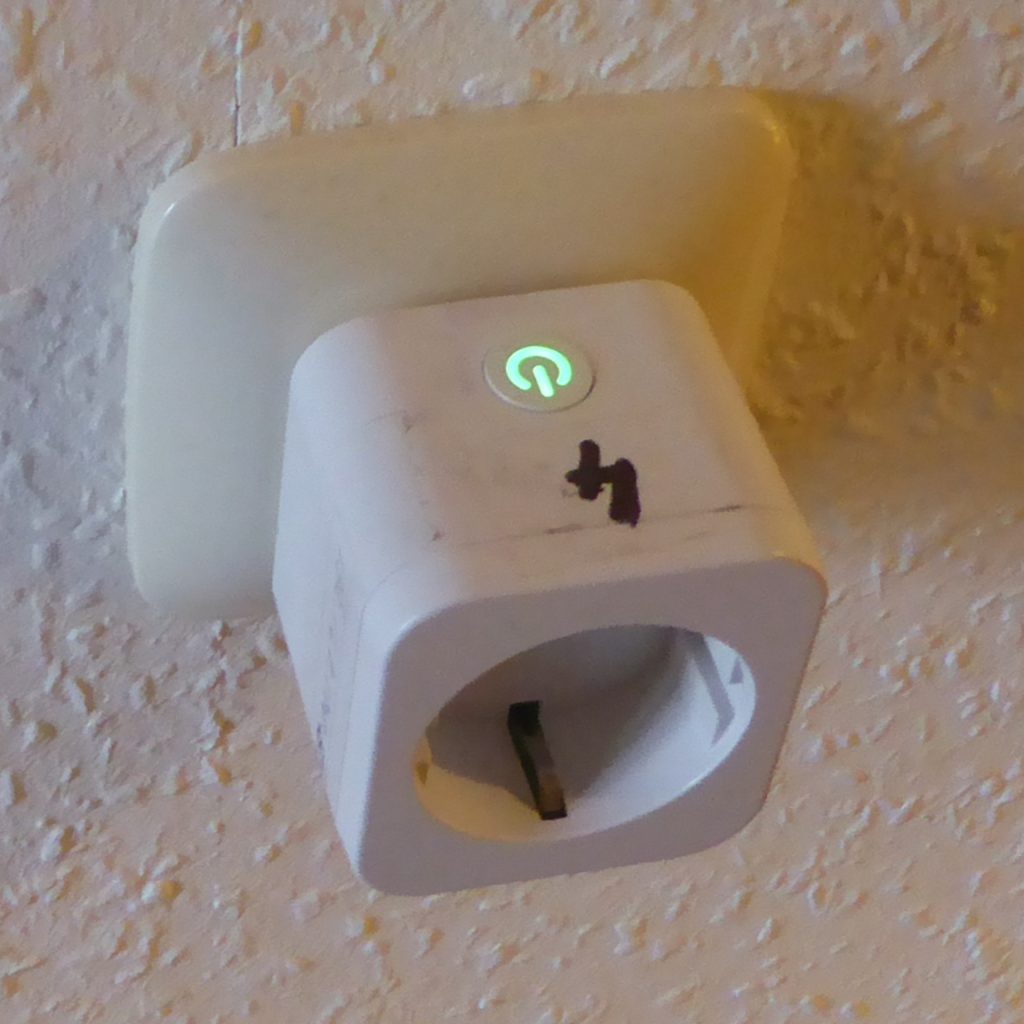
Game consoles in rest mode, cable boxes and old electronics draw power around the clock. A device using just 10 watts all day costs about $16 a year. Unplugging what you rarely use is free; a smart power strip that cuts power to a TV setup when the TV is off typically pays for itself within a year or two.
4. A smart thermostat, or simply a schedule
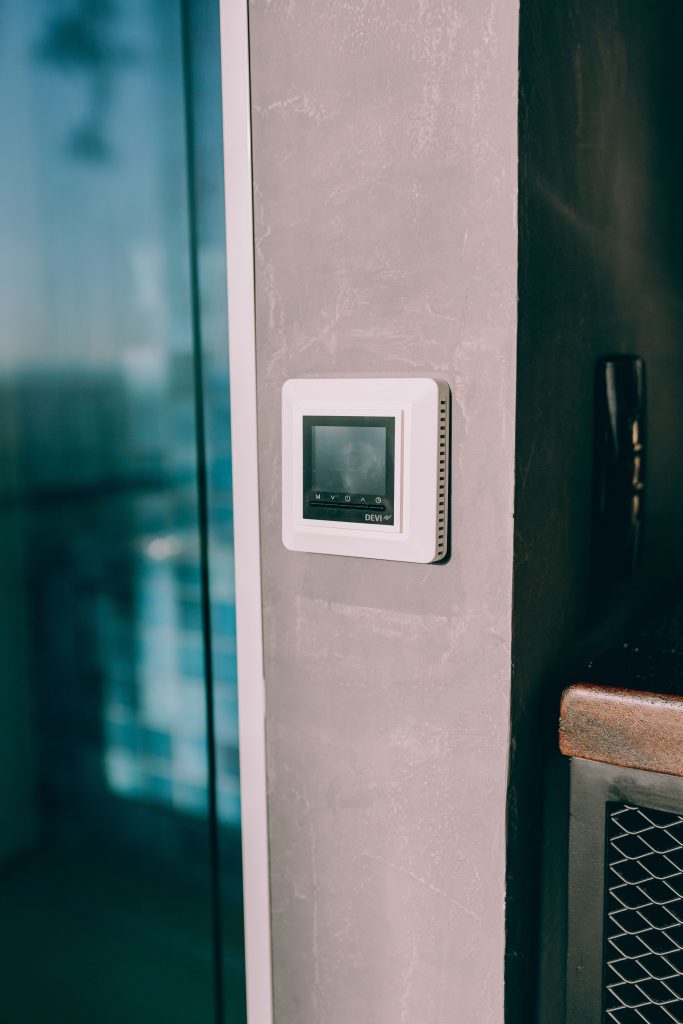
ENERGY STAR reports that certified smart thermostats save about 8 percent on heating and cooling on average. The Department of Energy adds that turning the thermostat back 7 to 10°F for 8 hours a day can save up to 10 percent a year.
Example: if your bill averages $150 a month and half goes to heating and cooling, that is $900 a year. Eight percent is about $72 a year, so a $130 smart thermostat pays for itself in under two years. If you already have a programmable thermostat, setting a proper schedule may capture most of that saving for free.
Comparing models? The Smart Thermostat Comparison Tool shows six options side by side, including which ones need a C-wire.
5. Unplugging, not replacing, a spare fridge
Here is a surprise: replacing a working refrigerator just to save energy often takes many years to pay back, because a new fridge costs hundreds of dollars and might save around $100 a year compared with an old one. But unplugging an old second fridge or freezer you barely use costs nothing and saves its whole running cost immediately, which can be well over $100 a year for an older model.
Not sure whether your main fridge is running too much? The Fridge Run-Time Checker times the compressor and tells you whether it is normal for your type of fridge, and what any extra running costs.
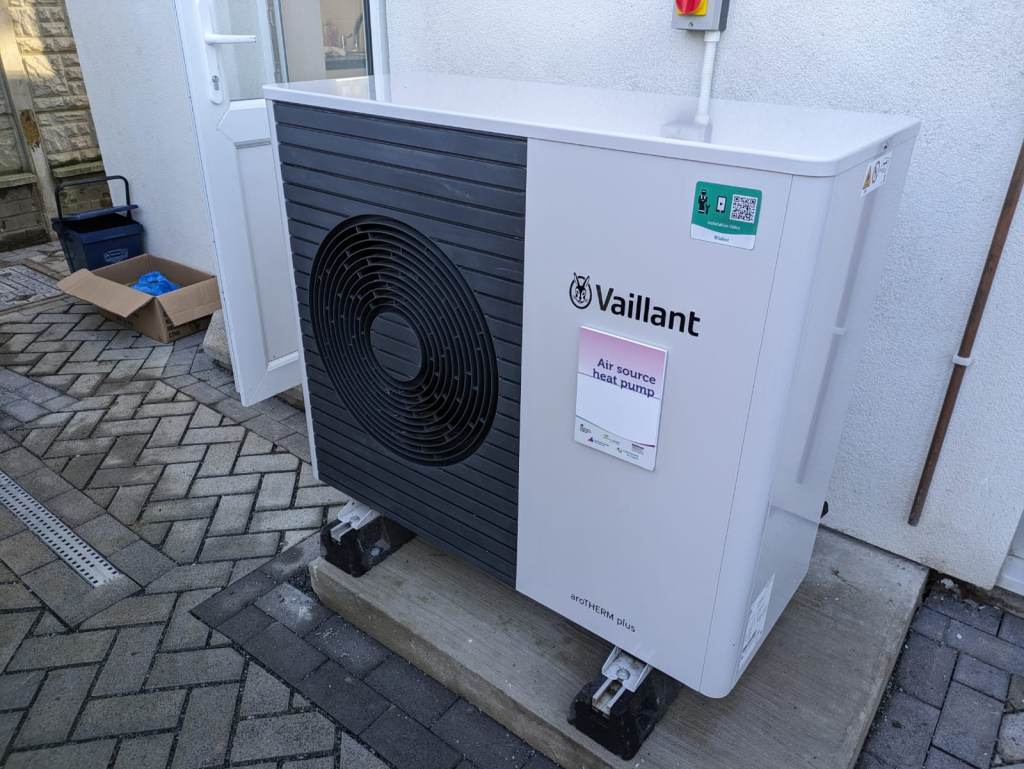
6. A heat pump instead of electric heat
The Department of Energy says a heat pump can cut the electricity used for heating by about 50 percent compared with electric resistance heating such as baseboard heaters or electric furnaces. If you heat with space heaters or baseboards, that can be a big saving. If you heat with cheap natural gas, the math can go either way. This is a large purchase, so run your own numbers first.
The Heating Cost Calculator compares an electric heater, a heat pump and a gas furnace for the same room, per hour and per month, using your local electricity and gas prices.
7 and 8. Right-sizing your AC and water heater before you replace them
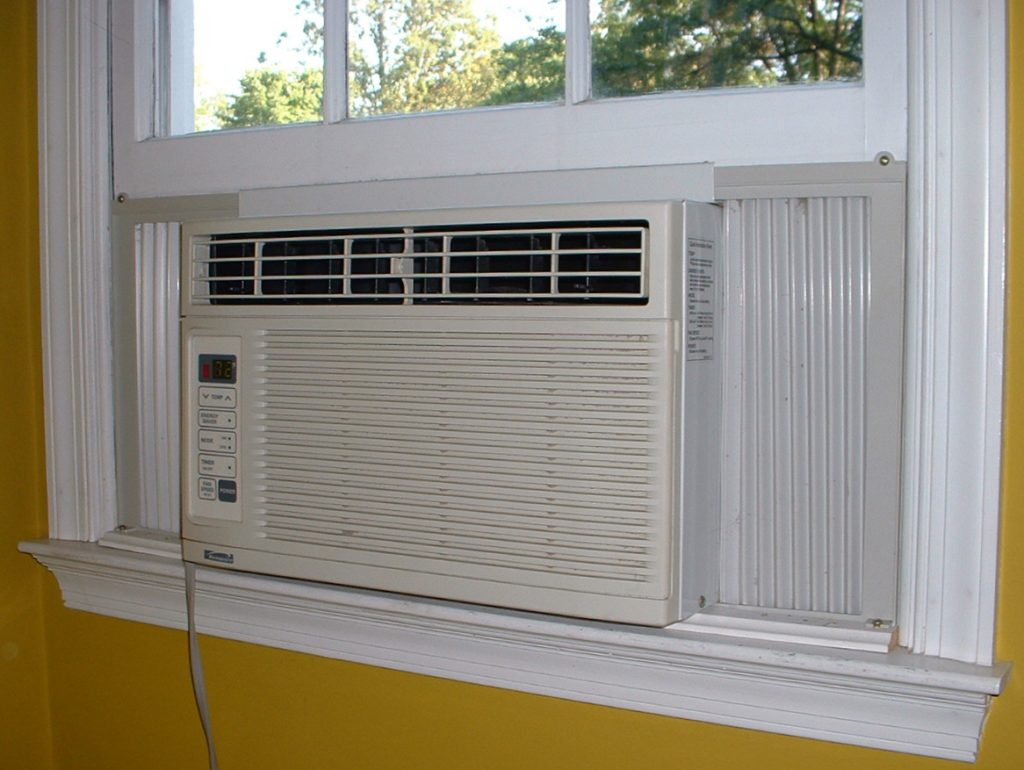
Some of the best savings come from not buying too much. An oversized air conditioner costs more upfront and short-cycles, leaving rooms clammy; an undersized one runs constantly. A water heater that is bigger than you need keeps extra gallons hot every hour of the day. Check the size before the old one fails, so you are not forced into a rushed guess.
Upgrades that rarely pay for themselves on savings alone
- Replacing windows purely to save energy. New windows can improve comfort, but the energy savings alone usually take a very long time to cover the cost.
- Replacing a working fridge, washer or dishwasher just because a newer one is more efficient. Wait until it needs replacing, then buy an efficient model.
- Smart plugs on everything. On devices that already use almost no standby power, the plug can cost more than it ever saves.
- Gadgets that promise to cut your bill by plugging into the wall. Real savings come from using less energy, not from a box in an outlet.
Want to find the biggest leaks first? Try our 15-minute DIY home energy audit, then come back here to decide what to upgrade. All the calculators are also on the HomePilot tools page.
Frequently asked questions
What home upgrades pay for themselves the fastest?
Usually the cheapest ones: LED bulbs in lights you use for hours, a thermostat schedule, cutting standby power, and choosing an internet plan that matches your real use. Several of these cost nothing at all.
How do I calculate the payback of an upgrade?
Divide the upfront cost by the yearly savings. A $100 upgrade that saves $50 a year pays back in 2 years. The HomePilot calculators estimate the yearly savings using your own electricity rate.
Does a smart thermostat pay for itself?
Often within a few years. ENERGY STAR reports average savings of about 8 percent on heating and cooling for certified smart thermostats. In a home spending $900 a year on heating and cooling, that is about $72 a year.
Is it worth replacing an old refrigerator to save energy?
Usually only when it needs replacing anyway, because the energy savings take years to cover the price. Unplugging an old second fridge you rarely use is a faster win.
Are the HomePilot calculators free?
Yes. They are free, need no signup, and let you use your own state or electricity rate.

