
The sticker price on an LED bulb looks worse than an incandescent one. The actual cost of running it for a year tells a completely different story. Select your state below for a solid rate estimate, or enter your own from a recent bill, then see the real numbers for your own bulbs and usage.
Rates above are U.S. state averages. Outside the U.S.? Just type your own local rate below.
How This Calculator Works
- LED equivalent wattage: roughly 15% of the incandescent figure. A 60W incandescent typically matches a 9W LED for the same brightness, this ratio holds consistently across common bulb sizes.
- Annual cost formula: watts ÷ 1,000 × hours per day × 365 × your rate × number of bulbs, the same kWh math used in our other calculators.
- What this does not include: the LED’s dramatically longer lifespan (roughly 25,000 hours versus about 1,000 for incandescent). Over that same span you would buy and replace an incandescent bulb around 25 times, adding real replacement cost on top of the energy savings shown here.
Want to plan out your full smart lighting setup, not just the savings math? See our Smart Lighting guide for specific product picks.
Worked Example: Ten 60W Bulbs, Three Hours a Night
Picture a typical evening: ten 60-watt incandescent bulbs across the kitchen, living room and hallway, each on for about three hours a night, at the U.S. average rate of 18.4 cents per kWh.
| Incandescent (60W) | LED (9W) | |
|---|---|---|
| Energy per bulb per year | 65.7 kWh | 9.9 kWh |
| Cost per bulb per year | $12.09 | $1.81 |
| Cost for all ten bulbs | $120.89 | $18.13 |
| Yearly saving | $102.75 |
The formula is the same one the calculator uses: watts ÷ 1,000 × 3 hours × 365 days × $0.184. A single 60W bulb swapped for an LED saves about $10.28 a year on its own, so most LED bulbs pay for themselves within months on a light you use every evening.
Match by Lumens, Not Watts
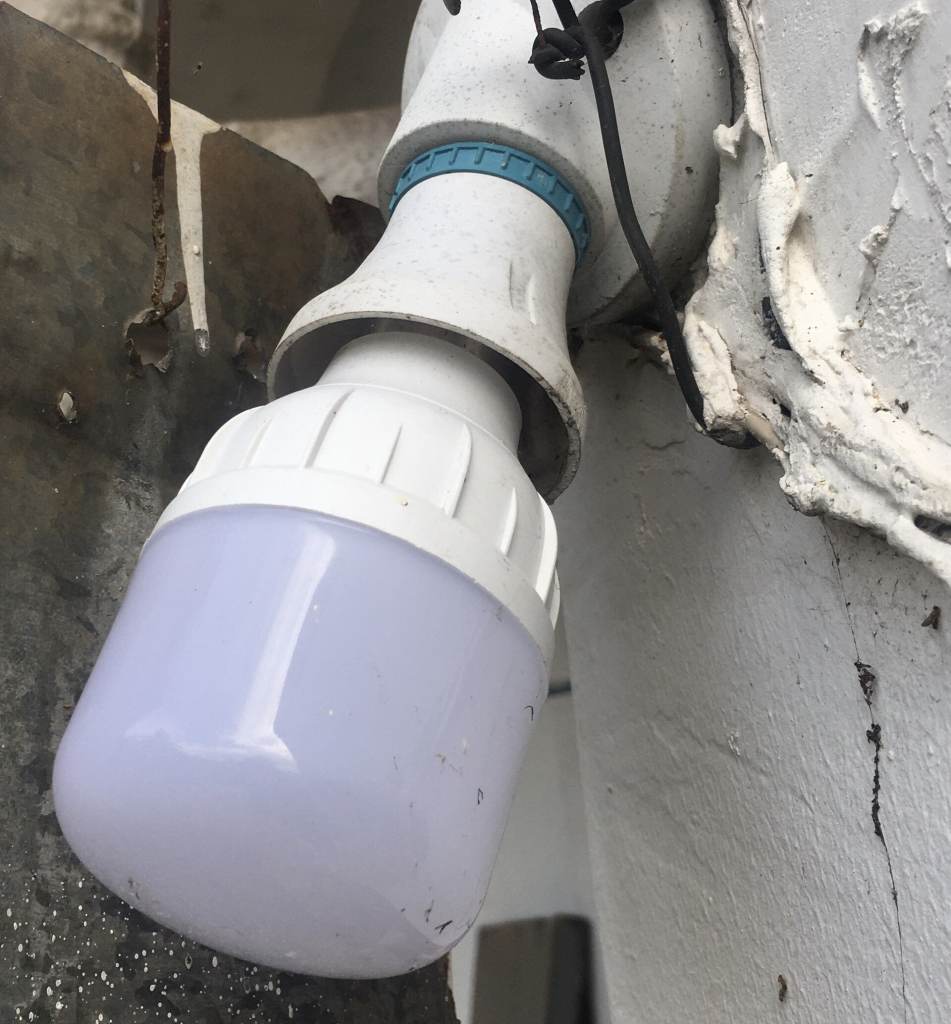
Watts measure how much electricity a bulb uses, not how bright it is. When you replace an incandescent bulb, look for the lumen rating on the box. These are the standard brightness matches:
| Old incandescent | Look for an LED with about | Typical LED draw* |
|---|---|---|
| 40W | 450 lumens | 6W |
| 60W | 800 lumens | 9W |
| 75W | 1,100 lumens | 11W |
| 100W | 1,600 lumens | 15W |
*Based on this calculator’s 15% ratio. Exact wattage varies by brand, so the lumen number is the one to trust.
The Replacement Cost Nobody Counts
Electricity is only half the saving. The U.S. Department of Energy says residential LEDs use at least 75% less energy and last up to 25 times longer than incandescent bulbs. At three hours a night, a 1,000-hour incandescent burns out in under a year, while a 25,000-hour LED could last more than 20 years.
There is a summer bonus too. DOE notes that incandescent bulbs give off about 90% of their energy as heat, while LEDs emit very little, so a house full of LEDs puts less load on your air conditioner.
Which Bulbs to Swap First
- The lights on longest: kitchen, living room and outdoor fixtures earn back the bulb price fastest.
- Bulbs over 60W: the bigger the old bulb, the bigger the saving per swap.
- Skip rarely used closets and guest rooms at first. A bulb used a few minutes a day saves pennies a year.
Thinking about smart bulbs instead? Our Smart Lighting guide compares them, and smart switch vs. smart bulb explains which makes sense for each room. To price any other device in your home, try the Appliance Running Cost Calculator.
Frequently Asked Questions
How much money does one LED bulb save per year?
Replacing a 60-watt incandescent with a 9-watt LED that runs three hours a day saves about 56 kWh a year. At the U.S. average of 18.4 cents per kWh, that is about $10.28 per bulb per year.
How long do LED bulbs really last?
The U.S. Department of Energy says residential LEDs last up to 25 times longer than incandescent bulbs. That is commonly about 25,000 hours versus roughly 1,000, or more than 20 years at three hours a day. Heat shortens LED life, so bulbs in fully enclosed fixtures may not reach the rating unless they are labeled for enclosed use.
Is it worth replacing incandescent bulbs that still work?
For lights you use every day, yes. A 60W bulb on for three hours a day costs about $12 a year to run versus about $1.81 for an LED, so the swap usually pays for itself within months. For lights you rarely use, it is fine to wait until the old bulb burns out.
What LED bulb replaces a 60-watt bulb?
Look for an LED rated at about 800 lumens. Most draw around 8 to 10 watts. Match the lumens rather than the watts, since wattage tells you power use, not brightness.
Sources
- U.S. Department of Energy: LED Lighting
- Earth911: lumen equivalents for replacing incandescent bulbs
- Electricity rates: state averages via ElectricChoice.com, September 2026
Last updated: November 2026.