


Last updated November 7, 2026. Reviewed by the HomePilot editorial team.
Are you a homeowner or renter who wants every appliance, gadget and utility in your home working as cheaply as possible? Then here is an uncomfortable question: do you actually know which of your devices is wasting your money right now? Most people do not. The fridge hums, the AC runs, the lights stay on, and the bill arrives as one big number with no clue what is behind it.
The good news is that you do not need an energy auditor with clipboards and cameras to find the biggest leaks. With a quick walk through your home and a few free calculators, you can find out in about 15 minutes where your money is going and what is worth fixing first.
By the HomePilot Team · Updated October 31, 2026 · Calculators built on ENERGY STAR, DOE and EIA data · How we research
Short answer: a DIY home energy audit means checking, room by room, the devices that cost the most to run: heating and cooling, the water heater, the refrigerator, lighting, and anything that sits on standby. HomePilot’s free calculators turn each check into a real dollar figure based on your own electricity rate, so you can see which fix saves the most before you spend anything. The U.S. Department of Energy encourages this kind of do-it-yourself assessment as a first step.
What you will find out
- Which appliance costs you the most each month, in real dollars
- Whether your fridge is running more than it should
- How much your thermostat habits and old bulbs are costing
- Whether you are paying for more internet speed than you use
- Which single fix to do first for the biggest saving
Your free money-leak toolkit at a glance
| Calculator | What it finds | Time |
|---|---|---|
| Appliance Running Cost Calculator | What any device costs per day, month and year | 1 min |
| Fridge Run-Time Checker | Whether your fridge runs too much and what that costs | 10 min |
| Smart Thermostat Savings Calculator | Your likely yearly savings from a smart thermostat | 1 min |
| Heating Cost Calculator | Space heater vs heat pump vs gas, per hour and month | 2 min |
| Air Conditioner BTU Calculator | Whether your AC is the right size for the room | 1 min |
| LED Bulb Savings Calculator | What your old bulbs cost compared with LEDs | 1 min |
| Water Heater Size Calculator | The tank size your household actually needs | 1 min |
| Home Internet Speed Calculator | The speed you really need, so you do not overpay | 1 min |
| Smart Thermostat Comparison Tool | Side-by-side specs and prices for six thermostats | 2 min |
Every calculator is free, needs no signup, and lets you pick your state or type your own rate. The default is the U.S. average of about 18.4 cents per kWh from EIA data, but rates range from roughly 14 cents in Arkansas to almost 35 cents in California, so using your own bill makes a big difference.

Before you start: grab your bill
Find your most recent electricity bill and look for your rate in cents per kWh (or divide the total charge by the kWh used). Have a pen ready, and you will end the walk-through with a short list of dollar figures.
Stop 1: The kitchen
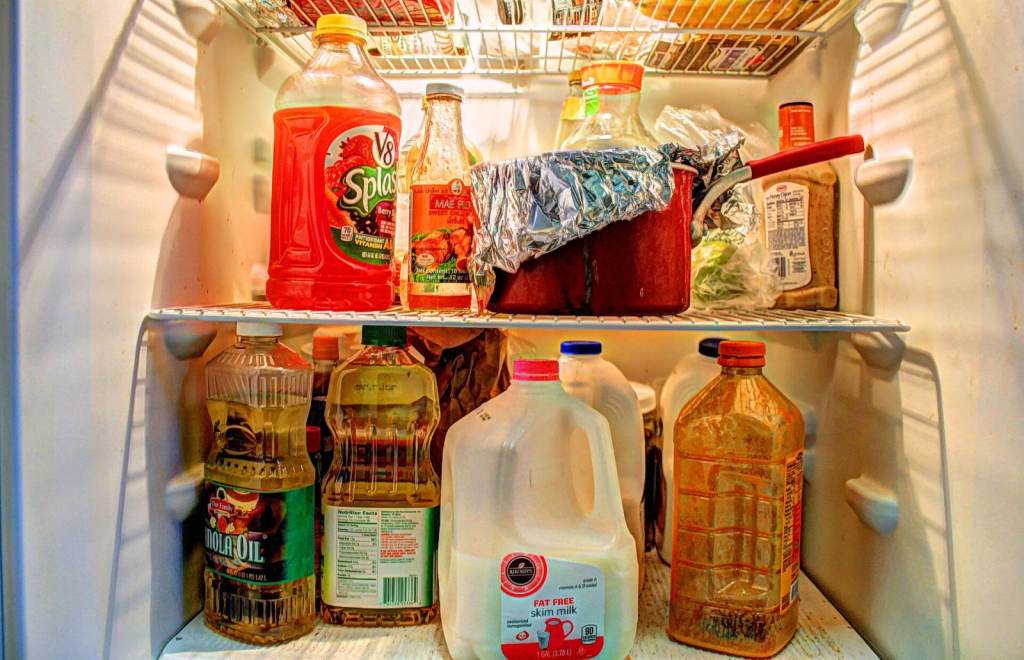
The money leak: the refrigerator. It never switches off, so small problems add up every hour of the year. An old fridge, dusty coils or a worn door seal can make it run far longer than it should.
The check: the Fridge Run-Time Checker uses a stopwatch to time your compressor, compares the result with what manufacturers say is normal for your kind of fridge, and estimates the yearly cost of any extra running. It also tells you when constant running is perfectly normal, which is true for many newer fridges.
What the numbers can look like: using the checker’s typical wattages and the national average rate, a pre-2000 fridge drawing 225 watts and running half the time costs about $180 a year. A newer top-freezer model drawing 125 watts and running 40 percent of the time costs about $80.
For the habits that make a fridge work harder, see 11 refrigerator mistakes that cost you money.
Stop 2: The thermostat
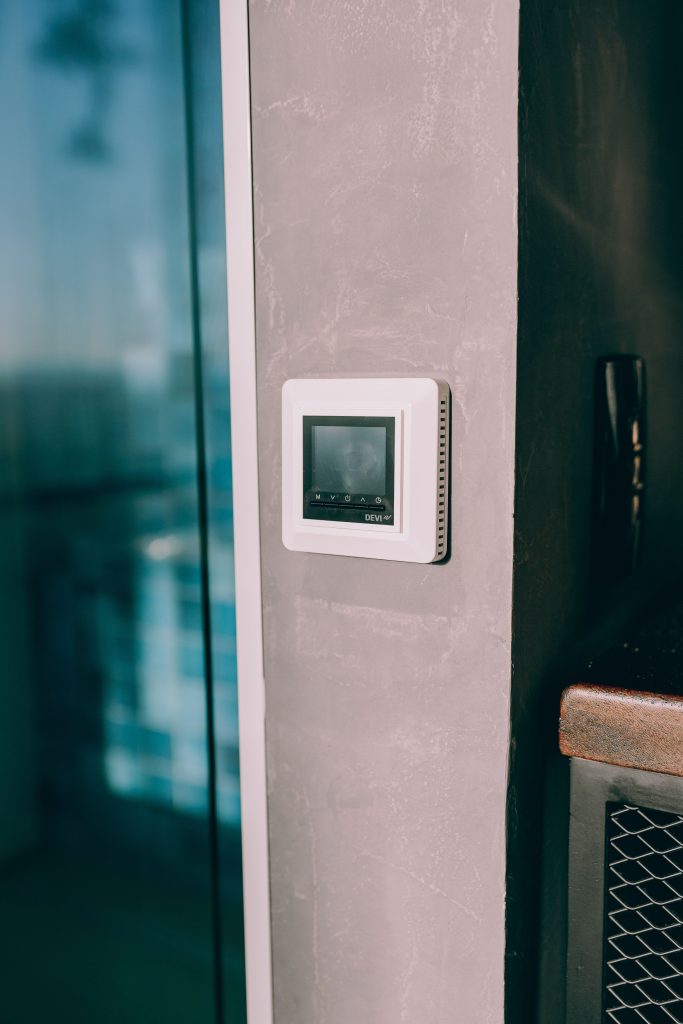
The money leak: heating and cooling are usually the biggest part of a home energy bill, and many homes run the same temperature all day, every day.
The check: the Smart Thermostat Savings Calculator takes your monthly bill and the share that goes to heating and cooling, then applies ENERGY STAR’s reported average saving of about 8 percent for certified smart thermostats. The Department of Energy adds that turning the thermostat back 7 to 10°F for 8 hours a day can save up to 10 percent a year. If you are thinking of buying one, the Smart Thermostat Comparison Tool lines up Nest, ecobee, Honeywell, Amazon, Wyze and Sensi side by side, including the C-wire question that trips up older homes.
Stop 3: Heating and cooling equipment
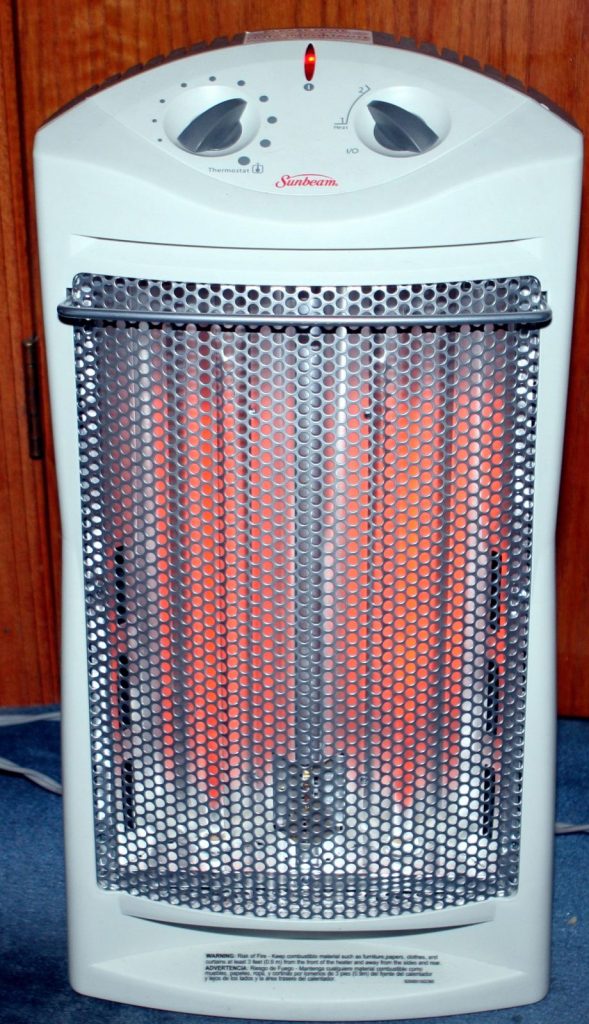
The money leak: space heaters and wrongly sized air conditioners. Electric space heaters are the most expensive way to make heat. An AC that is too big short-cycles and leaves rooms clammy, while one that is too small runs nonstop.
The check: the Heating Cost Calculator compares an electric heater, a heat pump and a gas furnace for the same room, per hour and per month, using your local prices. For example, a 1,500-watt heater running 8 hours a night uses 12 kWh, about $2.20 a night at the national average rate, or roughly $66 a month. The Air Conditioner BTU Calculator works out the right size for a room using ENERGY STAR and DOE guidance, adjusting for ceiling height, sun and how many people use the room.
Stop 4: The lights
The money leak: any incandescent or halogen bulbs still in use, especially in fixtures that stay on for hours.
The check: the LED Bulb Savings Calculator compares your old bulbs with LEDs using your hours and rate. The Department of Energy says LEDs use about 75 percent less energy than incandescent bulbs and can last up to 25 times longer. Swapping one 60-watt bulb used 5 hours a day for a 9-watt LED saves about 93 kWh a year, roughly $17 at the national average rate. Multiply that by every bulb that is on for hours each day.

Stop 5: The water heater
The money leak: heating more water than you use. The Department of Energy says water heating is one of the largest energy costs in a typical home. A tank that is too big keeps extra gallons hot around the clock.
The check: the Water Heater Size Calculator follows DOE guidance to estimate your peak-hour hot-water needs from the number of people and bathrooms, then rounds to a standard tank size. Use it before you replace your heater, so you do not just copy whatever size the last owner chose.
Stop 6: The living room and office
The money leak: devices that are never truly off, such as game consoles in rest mode, cable boxes, chargers and old electronics. Each one draws a little power all day.
The check: plug any device’s wattage into the Appliance Running Cost Calculator to see its cost per day, month and year. A device drawing just 10 watts around the clock uses about 88 kWh a year, roughly $16, for doing nothing. Our guide to vampire power shows how to find the worst offenders.
Stop 7: Your internet plan
The money leak: paying every month for speed your household never uses, often after an upsell call.
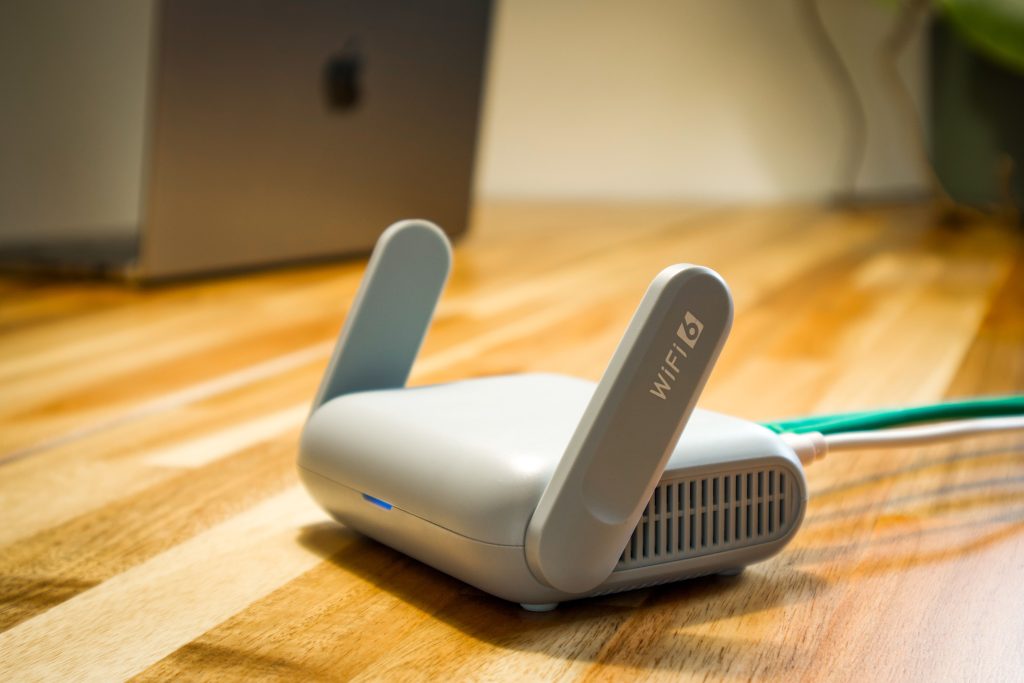
The check: the Home Internet Speed Calculator adds up what actually happens at the same time in your home, such as 4K streams, video calls, gamers and smart devices, using published requirements like Netflix’s 25 Mbps for 4K. If your plan is far above the result, a cheaper tier may work just as well.
Put your results in order
- List each yearly cost the calculators showed you.
- Do the free fixes first: thermostat schedule, unplugging idle devices, cleaning fridge coils, turning lights off.
- Then the cheap fixes: LED bulbs, a smart power strip, weatherstripping.
- Save big purchases for last and check the payback first. Our guide to home upgrades that pay for themselves shows how.
- Repeat once a season, since heating and cooling costs change through the year.
Want the full collection in one place? Every calculator lives on the HomePilot tools page.
Frequently asked questions
What is a DIY home energy audit?
It is a walk-through of your own home to find where energy, and money, is being wasted, such as heating and cooling habits, old appliances, lighting and standby power. The Department of Energy encourages homeowners to start with a do-it-yourself assessment.
Which appliance wastes the most money?
Usually heating and cooling, followed by water heating. Among plug-in devices, older refrigerators, space heaters and second fridges or freezers are common big spenders. The Appliance Running Cost Calculator shows the exact figure for yours.
Are HomePilot calculators free?
Yes. All of them are free, need no signup, and run in your browser.
How accurate are the calculators?
They are as accurate as the numbers you enter. Using your own electricity rate from a recent bill and the wattage on the appliance label gives the best estimate. Real-world use, weather and habits will cause some variation.
How much can a DIY energy audit save?
It depends on your home. Free changes like a thermostat schedule can save up to 10 percent on heating and cooling, according to the Department of Energy, and swapping bulbs used for hours a day often pays back within months.

