
Last updated November 24, 2026. Reviewed by the HomePilot editorial team.
Here is the trap most people fall into: they buy the dehumidifier that “covers” their square footage, set it up in the basement, and a month later it is still running nonstop while the walls still feel damp. Square footage is only half the answer. How wet the space is matters just as much.
By the HomePilot Team · Updated October 31, 2026 · Checked against ENERGY STAR sizing guidance · How we research
Short answer: for most rooms and basements under 2,000 square feet, ENERGY STAR recommends about 20 to 30 pints per day if the space is slightly to moderately damp, 25 to 40 pints if it is very damp, and 30 to 50 pints if it is wet, with sweating walls or seeping floors. Add capacity for a washer and dryer in the space, lots of windows and doors, or several people using the room. Spaces over 2,000 square feet, or wet ones that big, usually need 50+ pints or a whole-home unit.
Key takeaways
- Size by square footage and dampness, measured in pints removed per day.
- Ratings changed in 2019. A unit once sold as 70 pints is now labeled about 50 pints for the same machine.
- When in doubt, go one size up. An undersized unit runs constantly and never catches up.
- Set it to 45 to 50 percent humidity, not the lowest setting.
Step 1: Measure the space
Multiply length by width for each room the dehumidifier needs to cover. A 25 by 40 foot basement is 1,000 square feet. If your ceilings are higher than about 8 feet, treat the space as slightly larger, because there is more air to dry.
Step 2: Rate how damp it is
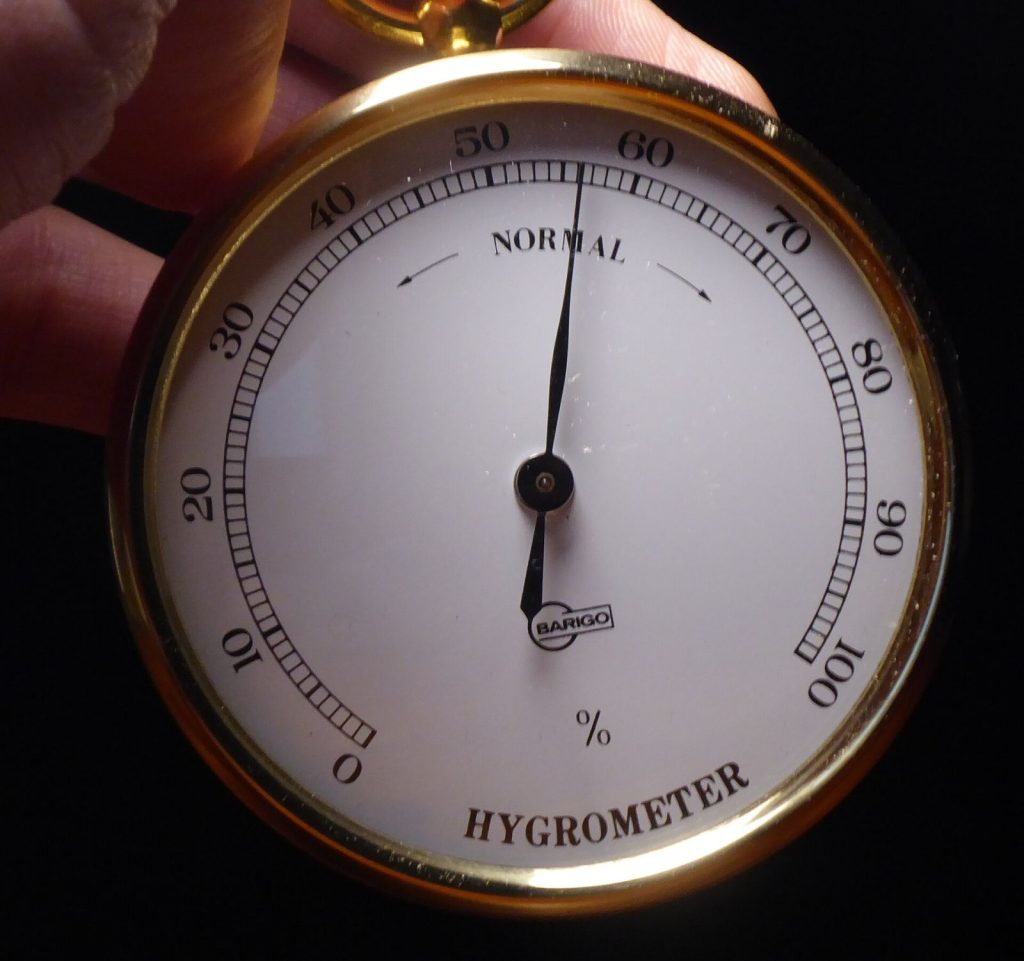
A cheap hygrometer left in the space for a day takes the guesswork out. Then match what you see and measure to one of these categories:
| Condition | What it looks and feels like | Typical humidity |
|---|---|---|
| Slightly to moderately damp | Feels damp, musty smell mainly in humid weather | About 50 to 75% |
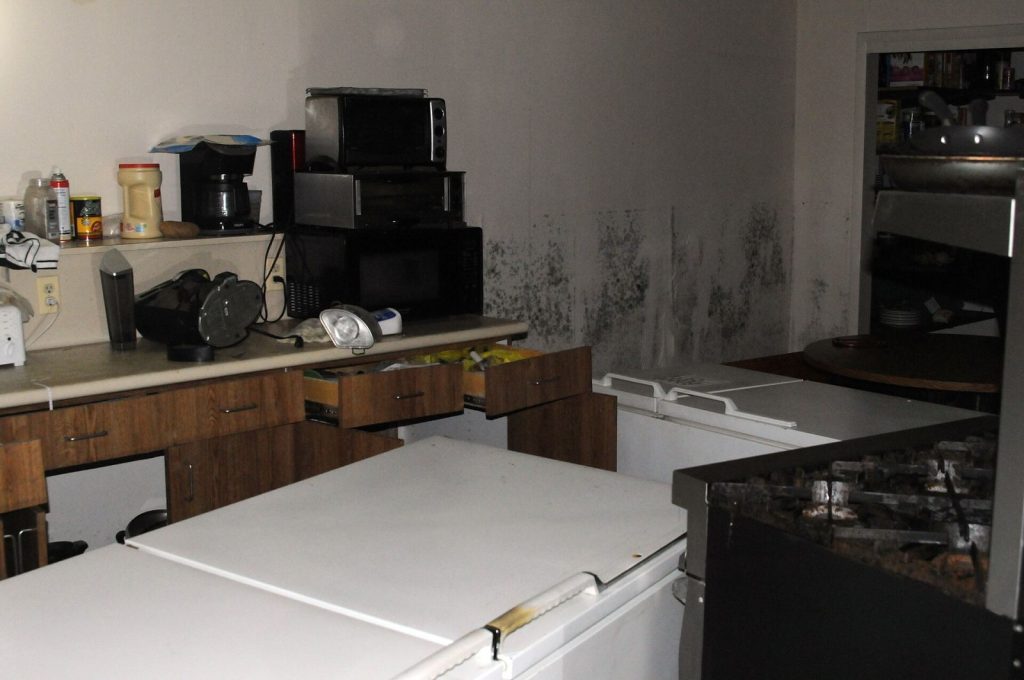
| Very damp | Always feels damp, smells musty, damp spots on walls or floor | About 75 to 90% |
| Wet | Walls or floor sweat, seep or show water stains; standing water at times | About 90 to 100% |
Step 3: Use the dehumidifier size chart
These ranges follow ENERGY STAR’s current sizing guidance, which uses the post-2019 pint ratings you will see on boxes today.
| Condition | Up to 2,000 sq ft | Over 2,000 sq ft |
|---|---|---|
| Slightly to moderately damp | 20 to 30 pints/day | Top of the range or the next size up |
| Very damp | 25 to 40 pints/day | Next size up, or two units |
| Wet | 30 to 50 pints/day | 50+ pints/day or a whole-home unit |
Add about 5 pints per day for each of these: a washer and dryer in the space, several people regularly using the room, many windows or exterior doors, or an open connection to a kitchen.
Real examples
| Space | Condition | Suggested size |
|---|---|---|
| 12 x 14 ft bedroom (168 sq ft) | Slightly damp, foggy windows | 20-pint class |
| Small apartment, 700 sq ft | Moderately damp in summer | 30-pint class |
| 1,000 sq ft basement with laundry | Very damp, musty smell | 35- to 50-pint class (25 to 40, plus 5 for laundry) |
| 1,500 sq ft basement | Wet, seeping walls | 50-pint class with a pump, after fixing drainage |
| 2,500 sq ft whole lower level | Very damp | Two 50-pint units, or a ducted whole-home dehumidifier |
In a wet basement, fix the water source first. Our guide to why a house smells musty after rain covers gutters, grading and leaks. No dehumidifier can keep up with water pouring in through a wall.
Why a 70-pint dehumidifier is now called 50 pints
In 2019 the U.S. Department of Energy changed how dehumidifiers are tested. Older ratings were measured at 80°F and 60 percent humidity, warm conditions where machines pull more water. The new test uses cooler conditions, closer to a real basement, at 65°F. Because cooler air gives up less water, the same machine earns a lower number.
| Old label (before 2019) | New label (today) |
|---|---|
| 30 pints | About 20 to 22 pints |
| 50 pints | About 35 pints |
| 70 pints | About 50 pints |
Practical tip: if an online chart or an old review recommends a “70-pint” model, it is talking about today’s 50-pint class. Do not buy a smaller unit thinking it is the same size.
Is bigger better?
Mostly, yes. An oversized dehumidifier simply reaches your target humidity sooner and cycles off. An undersized one runs around the clock, wears out faster and may never get the space below 50 percent. The trade-offs of going big are price, weight and noise. Portable units top out around 50 pints per day; beyond that, a whole-home dehumidifier tied into your ductwork is the usual answer.
Features that matter as much as size
- ENERGY STAR certification. Certified models remove more water per kWh, which adds up over a damp summer. See what a dehumidifier costs to run.
- Continuous drain or built-in pump. A 35-pint unit can fill a typical tank in less than a day in a damp basement. A hose to a floor drain or a pump to a sink lets it run unattended.
- Low-temperature operation. Basements below about 65°F can freeze the coil on basic models. Look for auto-defrost.
- Adjustable humidistat and auto-restart. Set it to 45 to 50 percent and let it restart itself after a power cut.
- Washable filter. Rinse it every couple of weeks so air flow stays strong.
Where to put it
- In the middle of the damp area, not jammed into a corner
- At least 6 to 12 inches from walls and furniture so air can circulate
- Near a floor drain if you plan to use a hose
- With doors and windows to that space closed while it runs
Wondering whether you need a dehumidifier or an air purifier? Our dehumidifier vs air purifier guide explains the difference.
Products mentioned in this article
- ENERGY STAR dehumidifiers with pump – drain continuously in a damp basement
- Digital hygrometer – check how damp the space really is before you buy
As an Amazon Associate, HomePilot earns from qualifying purchases. Check the listing for current price and compatibility with your home.
Ready to pick one? HomePilot Picks rounds up the home gear we have researched, so you can compare before you buy.
Frequently asked questions
What size dehumidifier do I need for a 1,000 square foot basement?
For a moderately damp 1,000 sq ft basement, about 20 to 30 pints per day. If it is very damp, 25 to 40 pints, and if the walls or floor are wet, 30 to 50 pints. Add about 5 pints if your washer and dryer are down there.
What size dehumidifier do I need for a bedroom?
Most bedrooms are well under 300 square feet, so a 20-pint class unit is usually enough unless the room is very damp.
Is a 50-pint dehumidifier too big for a small room?
Not really. It will reach the target humidity faster and cycle off. The downsides are a higher price, more weight and more noise.
What humidity should I set my dehumidifier to?
About 45 to 50 percent. The EPA recommends keeping indoor humidity below 60 percent, ideally 30 to 50 percent. Setting it lower uses more electricity with little extra benefit.
How do I know if my dehumidifier is too small?
It runs constantly but the hygrometer never drops below about 55 percent, or the musty smell and damp spots do not improve after a couple of weeks.