
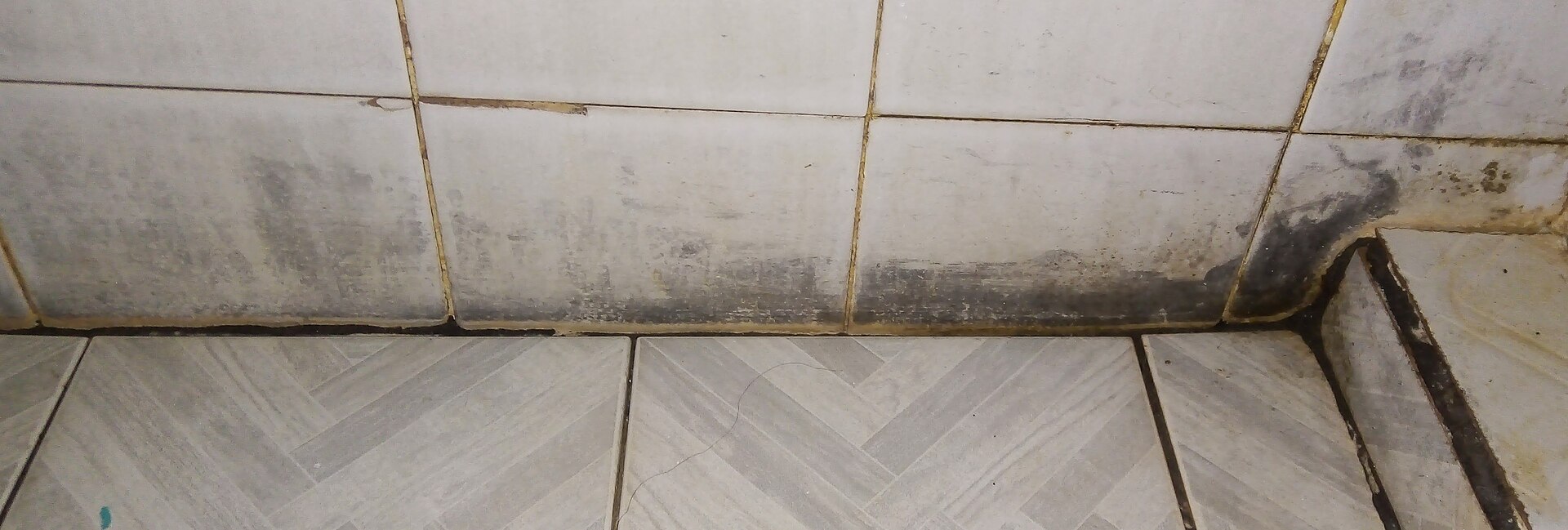

Last updated November 11, 2026. Reviewed by the HomePilot editorial team.
The storm passes, the sun comes back out, and then you notice it. Your house smells like an old basement. It fades by the weekend, then comes right back the next time it rains. That pattern is not bad luck. It is a clue.
By the HomePilot Team · Updated October 31, 2026 · Checked against EPA mold and moisture guidance · How we research
Short answer: if your house smells musty after rain, water or humid air is reaching somewhere it should not, and mold or mildew there is releasing odor. The usual suspects are a damp basement or crawl space, clogged gutters or downspouts dumping water at the foundation, a slow roof or window leak, and high indoor humidity. Find the wet spot, fix the water path, dry it within 24 to 48 hours, and keep indoor humidity below 50 to 60 percent.
Key takeaways
- A musty smell is almost always a moisture problem first and a smell problem second.
- If the smell only shows up after rain, the water is getting in from outside: below ground, through the roof, or around windows.
- The EPA recommends keeping indoor humidity below 60 percent, ideally 30 to 50 percent.
- Small mold patches under about 10 square feet are usually a DIY clean-up. Bigger areas or sewage smells need a pro.
- Air fresheners hide the smell but leave the mold growing.
Why rain makes a house smell musty
The smell itself comes from mold and mildew. As they grow, they release gases called microbial volatile organic compounds (MVOCs). One of the best-known, geosmin, is the same earthy compound you smell in damp soil. You can often smell MVOCs long before you can see any mold.
Rain turns that background smell up in two ways. First, it delivers fresh water: soil around the foundation gets soaked, roofs and windows get tested, and damp crawl spaces get damper. Second, rainy days push indoor humidity up. Mold that was dormant on a dry surface wakes up when that surface gets wet or the air around it stays humid, and moist air carries the odor through the house.
So a smell that appears with rain and fades in dry weather is a repeating experiment your house is running for you. It tells you the moisture is coming from outside, not from a one-time spill.
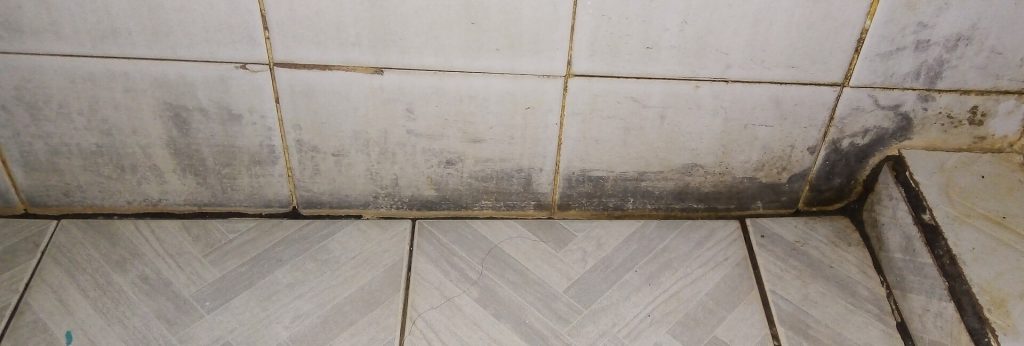
7 common reasons your house smells musty after rain
| Cause | The clue | What to do |
|---|---|---|
| Clogged gutters or short downspouts | Water overflows or pools near the foundation | Clean gutters; extend downspouts so water lands several feet from the house |
| Ground sloping toward the house | Puddles against the foundation after storms | Regrade soil so it slopes away from the walls |
| Basement seepage | Damp patches, white chalky residue (efflorescence) or a wet floor edge | Fix outside drainage first; seal cracks; run a dehumidifier |
| Damp crawl space | Smell is strongest near floor vents or the first floor | Check for standing water and a missing or torn vapor barrier |
| Slow roof or flashing leak | Smell near ceilings, stains, or bubbling paint upstairs | Inspect the attic after rain; repair flashing or shingles |
| Window or door leaks | Musty smell and soft or dark wood at sills | Check caulk and seals; look for staining under the frame |
| High indoor humidity | Smell all over the house, foggy windows, clammy air | Measure humidity; run a dehumidifier or AC; use exhaust fans |
Not sure which one you have? The pattern helps. A smell strongest downstairs usually points to the basement or crawl space. A smell near one ceiling or window points to a leak. A faint smell everywhere usually means the whole house is too humid.
How to find the source, step by step
- Map the smell. Walk the house the day after rain and note where it is strongest. Check closets, under sinks, and behind furniture against outside walls.
- Check humidity. Put a cheap hygrometer in the smelliest room for 24 hours. A reading above 60 percent means the air itself is part of the problem.
- Go outside in the rain. Watch where gutters overflow and where water pools. Water that collects against the foundation is the most common cause of a damp basement.
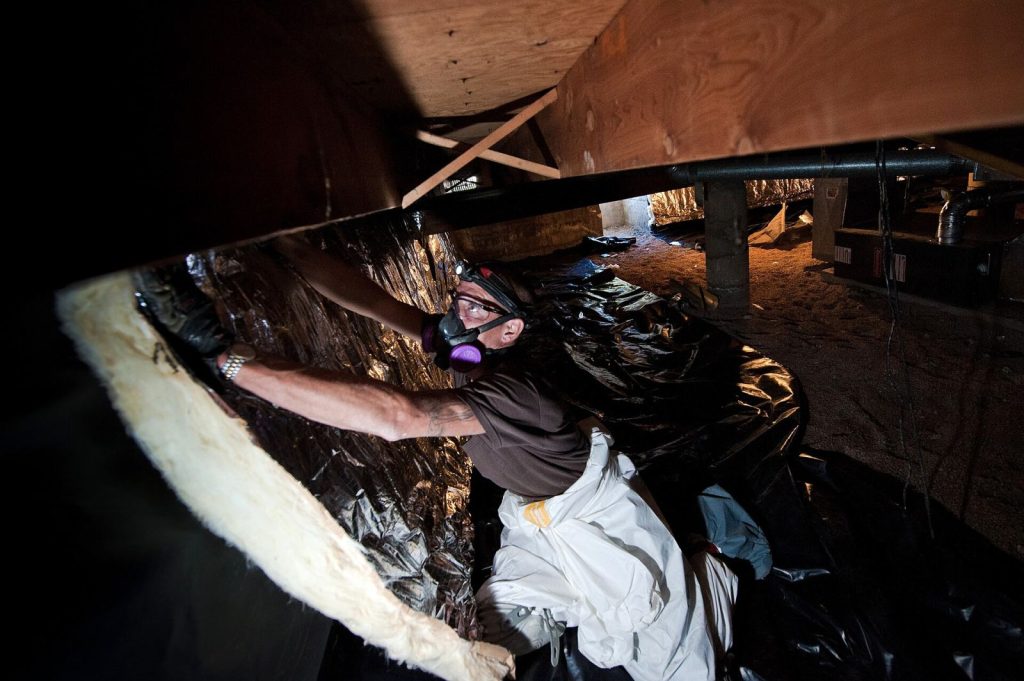
- Inspect below grade. In the basement, look for dark patches, white mineral streaks and wet corners. With a flashlight, look into the crawl space for standing water or a sagging vapor barrier. Do not crawl into a space with heavy mold; have a pro check it.
- Inspect above. After a storm, check the attic and the ceiling below any roof valleys, chimneys, skylights or vents for fresh stains.
- Check the obvious indoor sources. A moldy washer gasket, a slow toilet leak or a bathroom fan that does not vent outside can all smell worse on humid days.
How to get rid of the musty smell for good
The order matters. Cleaning first and fixing the water later just means the smell comes back next storm.
- Stop the water. Clean gutters, extend downspouts, regrade soil, and repair leaks. The EPA’s mold guidance puts fixing the water problem first.
- Dry everything fast. The EPA advises drying water-damaged materials within 24 to 48 hours to prevent mold growth. Fans plus a dehumidifier work far faster than open windows on a humid day.
- Clean small mold patches. On hard surfaces, scrub with detergent and water, then dry completely. Wear gloves and an N95 mask. Throw away soaked carpet padding, cardboard and ceiling tiles that stayed wet.
- Bring humidity down. Aim for 30 to 50 percent. In a basement that means a properly sized dehumidifier set around 45 to 50 percent, emptying into a drain if possible.
- Keep air moving. Run bathroom and kitchen exhaust fans, keep furniture a few inches off outside walls, and keep closet doors open in damp rooms.
Not sure what size dehumidifier you need? Our guide on what size dehumidifier to buy walks through it by square footage and dampness, and what a dehumidifier costs to run covers the electricity side.
What indoor humidity stops the smell?
The EPA recommends keeping indoor relative humidity below 60 percent, and ideally between 30 and 50 percent. Mold growth slows sharply as humidity drops below 50 percent, which is why that is the most useful number to aim for in a basement that smells after rain.
| Indoor humidity | What it means for a musty smell |
|---|---|
| Below 30% | Too dry for comfort; mold is not the issue |
| 30 to 50% | Target range; mold struggles to grow |
| 50 to 60% | Borderline; cool surfaces like basement walls can still get damp |
| Above 60% | Mold and musty smells are likely, especially below ground |
For the full picture, including winter and summer targets, see what humidity your house should be.

When to call a professional
- Mold covers more than about 10 square feet, the size the EPA uses as a rough limit for do-it-yourself clean-up
- Water keeps coming through the foundation after you have fixed gutters and grading
- The smell is more like sewage or rotten eggs than damp earth
- There is mold inside walls, in HVAC ducts, or in an attic you cannot reach safely
- Anyone in the home has asthma, allergies or a weakened immune system and symptoms get worse in the house
A foundation drainage contractor fixes the water path. A mold remediation company handles large clean-ups. A home inspector with a moisture meter can tell you which you need.
What not to do
- Do not just mask it. Air fresheners, candles and odor sprays cover MVOCs but do nothing about the growth making them.
- Do not paint over mold. The EPA warns that paint or caulk applied over moldy surfaces is likely to peel.
- Do not rely on bleach. On porous surfaces like drywall and wood it can whiten the stain without removing the growth. Fixing moisture and cleaning or replacing the material works better.
- Do not ignore it because it fades. A smell that returns every storm means water keeps getting in, and that can damage wood framing over time.
Frequently asked questions
Why does my house only smell musty when it rains?
Rain soaks the soil around your foundation, tests your roof and windows, and raises indoor humidity. That wakes up mold or mildew in damp spots, which release musty-smelling gases. When the weather dries out, the growth slows and the smell fades.
Is a musty smell after rain dangerous?
The smell itself is a warning sign, not usually a danger on its own. Mold can trigger allergy and asthma symptoms, and ongoing moisture can damage building materials. Treat a repeating smell as a moisture problem to fix soon.
Can a musty smell come from the crawl space?
Yes. Air from a crawl space rises into the living space, so a damp crawl space with standing water or a torn vapor barrier can make the whole first floor smell musty.
Will a dehumidifier get rid of a musty smell?
A dehumidifier helps by keeping humidity below 50 percent so mold cannot grow, and the smell usually fades over days or weeks. It will not fix a leak, so stop the water getting in first.
How do I know if it is mold or just humidity?
If the smell fades quickly once the house dries out and you see no stains, it may just be humid air. A smell that lingers, gets stronger, or centers on one spot usually means mold is growing there.

