


Last updated November 1, 2026. Reviewed by the HomePilot editorial team.
Your video call freezes mid-sentence. The show stops to buffer at the best part. Your phone quietly switches to mobile data, and the laptop says “Connected, no internet” for the third time today. Wi-Fi that keeps disconnecting is maddening, partly because the problem could be in a dozen places. The good news: a few simple tests narrow it down fast.
By the HomePilot Team · Updated November 1, 2026 · Checked against router-maker and university IT guidance · How we research
Short answer: Wi-Fi usually keeps disconnecting because of a weak signal, interference from neighbors’ networks or appliances, an overheating or outdated router, or a problem with your internet service rather than the Wi-Fi itself. First test whether a device plugged in with an Ethernet cable also drops. If it does, the problem is the modem or your provider. If only Wi-Fi drops, restart and update the router, move it to a central spot, change the Wi-Fi channel, and check the dropping device’s power-saving settings.
Key takeaways
- Test with a wired device first: it tells you if the problem is Wi-Fi or the internet itself.
- On 2.4 GHz, channels 1, 6 and 11 are the only ones that do not overlap.
- Routers that are old, hot or out of date drop connections more often.
- Drops only at night often point to scheduled reboots, updates or evening congestion.
First: is it the Wi-Fi or the internet?
| What you see | Most likely cause |
|---|---|
| Wired and Wi-Fi devices both drop | Your internet service or modem |
| Only Wi-Fi devices drop; wired is fine | The router, signal or interference |
| Only one device drops | That device: drivers, power saving or an old Wi-Fi chip |
| Drops only in one room | Weak signal or a dead zone |
| Drops when the microwave runs | 2.4 GHz interference; see Wi-Fi drops when the microwave runs |
| Drops at the same time each night | Scheduled reboot, firmware update or evening congestion |
If you do not have a computer with an Ethernet port, look at the modem’s lights when the Wi-Fi drops. If the internet or online light goes off or blinks, the problem is upstream of your router.
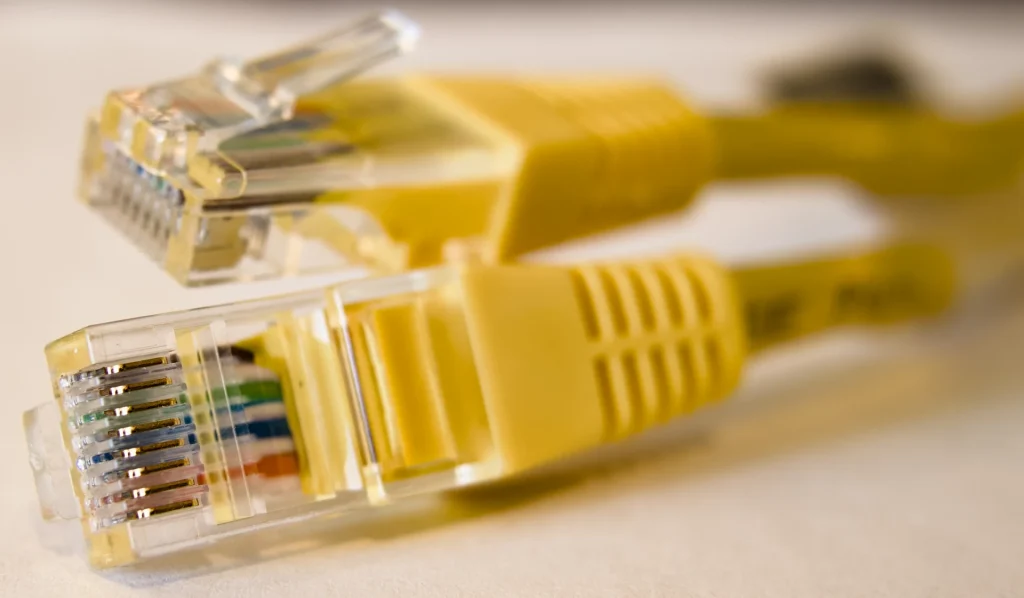
9 common causes of Wi-Fi that keeps disconnecting
- Distance and walls. Signal fades quickly through brick, concrete, mirrors and appliances. Devices on the edge of coverage keep connecting and dropping.
- Crowded channels. In apartments, dozens of neighboring networks fight for the same 2.4 GHz space.
- Interference. Microwaves, cordless phones, baby monitors and some Bluetooth devices share the 2.4 GHz band.
- An overheating router. Routers shut in cabinets or covered in clutter can overheat and restart.
- Outdated firmware. Router updates often fix stability bugs and security holes.
- Too many devices. Older routers can struggle with dozens of phones, TVs and smart home gadgets.
- Power saving on the device. Phones and laptops may switch off Wi-Fi to save battery, especially when the screen is off.
- Band steering confusion. Some devices bounce between the 2.4 and 5 GHz bands when the router uses one name for both.
- Your internet provider. Line problems, outages or a failing modem cause drops on every device.
How to fix it, step by step
- Restart the modem and router. Unplug both for 30 seconds, plug in the modem first, wait for it to connect, then the router.
- Update the router’s firmware from its app or admin page. Many routers do this automatically, but older ones often need a manual check.
- Move the router. Put it in a central, open, raised spot, away from thick walls, metal and the microwave.
- Change the channel. On 2.4 GHz, choose 1, 6 or 11, the three non-overlapping channels. A free Wi-Fi analyzer app shows which is least crowded.
- Use 5 GHz for nearby devices such as laptops and TVs; keep 2.4 GHz for distant ones and smart home gadgets.
- Turn off Wi-Fi power saving on the device that keeps dropping, and update its software or network drivers.
- Forget the network and reconnect on the troublesome device to clear old settings.
- Check how many devices are connected in the router app and remove ones you do not recognize.
- Call your provider if wired devices also drop; ask them to check the line and the modem.
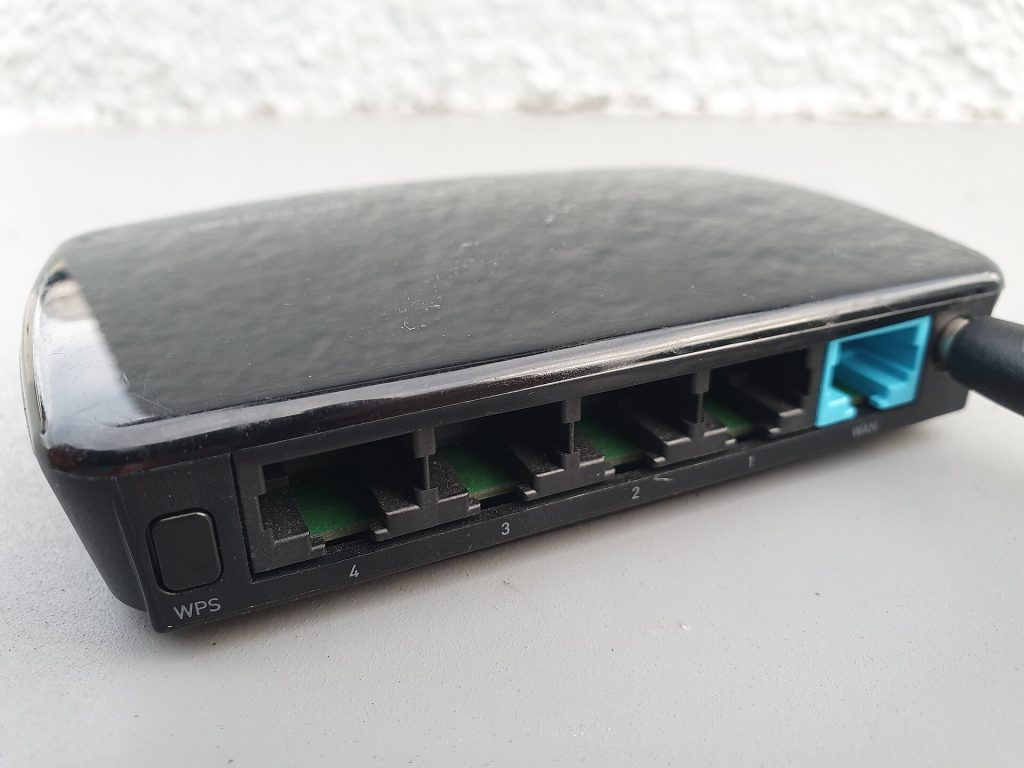
Why does my Wi-Fi keep disconnecting at night?
- Scheduled reboots or updates. Many routers and mesh systems install updates or restart overnight. Check the schedule in the router app.
- Evening congestion. Neighbors stream and game in the evening, crowding nearby Wi-Fi channels.
- Provider maintenance. Internet providers often schedule network work overnight.
- Parental controls or Wi-Fi schedules that switch Wi-Fi off at bedtime, sometimes set up and forgotten.
- Phone battery saving. Phones often drop Wi-Fi while sleeping on the nightstand to save power.
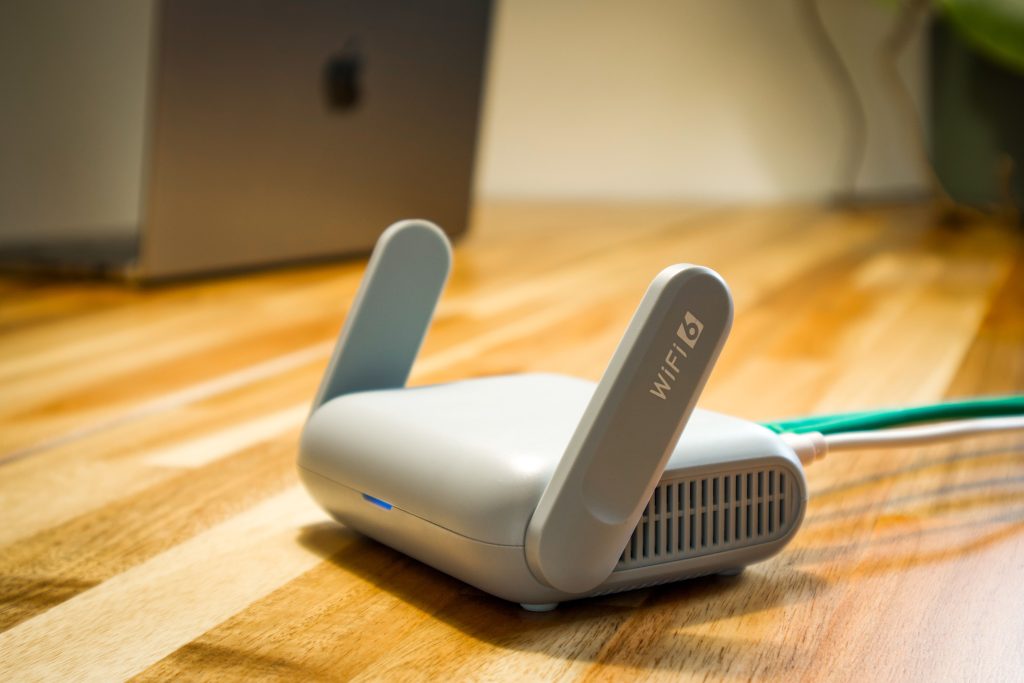
When only smart home devices keep dropping
Smart plugs, bulbs and cameras are often the first to fall off Wi-Fi, because most of them only use the 2.4 GHz band and have small, low-power antennas. If your phone and laptop are fine but the smart gadgets keep going offline:
- Make sure the 2.4 GHz band is turned on and reaches the device. See how to connect 2.4 GHz devices to a dual-band router.
- Reserve an IP address for each important device in the router settings.
- Move a plug or bulb a little closer to the router, or add a mesh node or extender nearby.
- Consider a separate network just for smart devices. Our guide to setting up a smart home network explains how.
When the router is the problem
If the router no longer receives firmware updates, runs hot to the touch, or still drops after all the steps above, it may be time to replace it. In larger homes or homes with dead zones, a mesh system spreads coverage more evenly than a single router. Our mesh Wi-Fi buying guide explains what to look for, and our guide to Wi-Fi extenders covers the cheaper option. Not sure how much speed you need? Try the Home Internet Speed Calculator.
Shopping for better Wi-Fi? HomePilot Picks gathers the routers, mesh systems and smart home gear we have researched.
Frequently asked questions
Why does my Wi-Fi keep disconnecting and reconnecting?
The most common causes are a weak signal, interference from neighbors’ networks or appliances, an outdated or overheating router, and device power-saving settings. Test with a wired device to rule out your internet service.
How do I know if it is my router or my internet provider?
If devices plugged in with Ethernet also lose connection, or the modem’s internet light goes off, the problem is the modem or provider. If only Wi-Fi devices drop, it is the router or signal.
Why does my Wi-Fi disconnect at night?
Often because of scheduled router reboots or updates, evening channel congestion from neighbors, provider maintenance, or a Wi-Fi schedule or phone battery-saving setting.
Which Wi-Fi channel is best?
On 2.4 GHz, use channel 1, 6 or 11, whichever is least crowded. These are the only three that do not overlap. On 5 GHz there are many more channels, so auto mode usually works well.
Should I replace my router if Wi-Fi keeps dropping?
Try restarting, updating, moving it and changing the channel first. If it still drops, no longer gets updates, or runs hot, replacing it, or switching to mesh in a larger home, usually helps.

