

Last updated November 17, 2026. Reviewed by the HomePilot editorial team.
Fix It · Laundry
You open the washer to find your clothes sitting in a tub of gray water. It is one of the most common washing machine problems, and one of the most fixable. In most cases, something is simply blocking the water’s way out: a sock or coin in the pump filter, a kinked drain hose, or a clog in the house drain. A faulty lid switch can also stop the drain cycle from starting. Here is how to get the water out, find the cause and fix it, usually without a repair call.
By the HomePilot Team · Updated November 12, 2026 · Based on appliance manufacturer and repair troubleshooting guidance · How we research
Quick fix
Front-loader: unplug it, put towels and a shallow pan down, and open the small access panel at the bottom front. Drain the water through the little hose if there is one, then unscrew the drain pump filter and clear out lint, coins and hair ties. Top-loader: check that the lid switch clicks when you close the lid, and make sure the drain hose behind the machine is not kinked. Then run a drain or spin-only cycle.
What is the washer doing?
| What you notice | Likely cause | Fix |
|---|---|---|
| Water stays in the drum; you hear a hum but no draining | Clogged drain pump filter or blocked pump | Clean the filter |
| No sound at all at drain time | Lid switch or door lock not engaging, or a control fault | Test the lid switch or door lock |
| Drains slowly and leaves water behind | Kinked or partly clogged drain hose | Straighten and clear the hose |
| Water backs up out of the standpipe or laundry sink | Clogged house drain, not the washer | Clear the drain line |
| Lots of suds and water left in the drum | Too much or the wrong detergent | Use the right amount of HE detergent |
| Grinding or loud humming, error code | Failed or jammed drain pump | Clear it or replace the pump |
First, get the water out safely
- Unplug the washer before touching the filter, hose or pump.
- Have towels and a shallow pan ready; a front-load filter can release several gallons, so drain it in small batches.
- On many front-loaders, a small drain tube sits next to the filter behind the bottom access panel. Pull it out, remove the cap and let the water run into the pan.
- On a top-loader, bail out water with a container, or lower the drain hose into a bucket on the floor so gravity drains it.
Step-by-step: fix a washer that will not drain
- Reset the washer. Unplug it for a minute, plug it back in and run a drain or spin-only cycle. A quick reset can clear a control glitch.
- Check the lid switch or door lock. Top-loaders will not drain or spin unless the lid switch registers that the lid is closed. Press the switch by hand and listen for a click; if the drum starts draining, the switch or its striker needs replacing. On front-loaders, make sure the door is latched and the lock clicks.
- Check the drain hose. Pull the washer out and make sure the hose behind it is not kinked, crushed or pushed too far down into the standpipe.
- Clear the drain hose. Detach it over a bucket and look through it with a flashlight; flush it with water or push out lint and debris.
- Clean the drain pump filter. Many front-loaders, and some top-loaders, have a filter behind a small panel at the bottom front. Unscrew it slowly, then clear out lint, coins, hair ties and small socks.
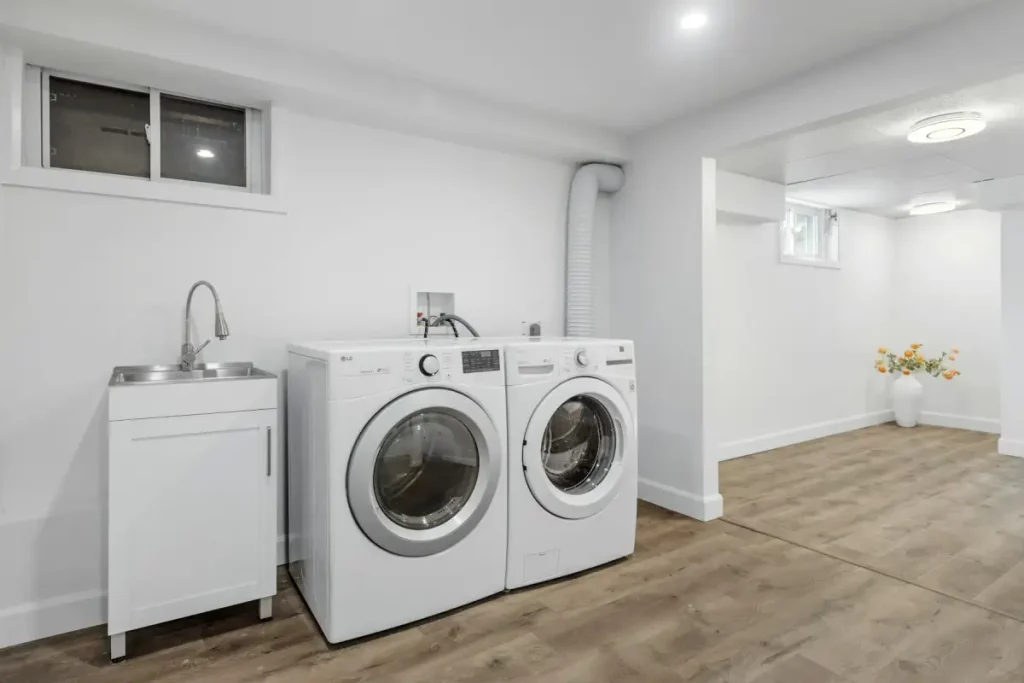
- Check the house drain. Run water into the standpipe or laundry sink. If it backs up, the clog is in your plumbing, not the washer.
- Listen to the pump. During a drain cycle, a humming pump with no water moving suggests a jam or failure; silence can mean a switch, wiring or control problem.
- Check for an error code on the display and look it up in the manual.
The causes, explained
A clogged pump filter
Front-load washers usually have a filter, sometimes called a coin trap, that protects the drain pump. It catches lint, coins, buttons, hair ties and the occasional baby sock. When it fills up, water cannot get out. It is the first thing to check on a front-loader and the easiest fix.
A kinked or clogged drain hose
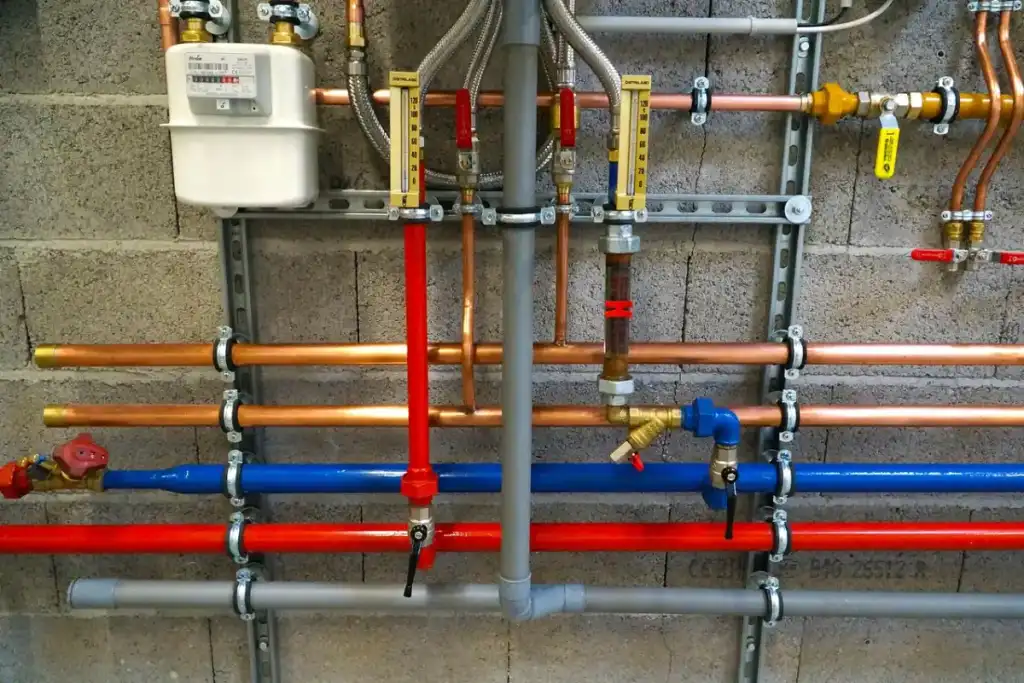
Pushing the washer back against the wall can crush or kink the drain hose. Lint can also build up inside. If the hose is pushed too far into the standpipe, it can cause siphoning or poor draining; follow the manual for how far it should go.
A faulty lid switch or door lock
For safety, washers will not drain and spin unless they detect a closed lid or locked door. A broken switch or lid striker stops the cycle at the drain stage. It is a common, usually inexpensive part.
A clogged house drain
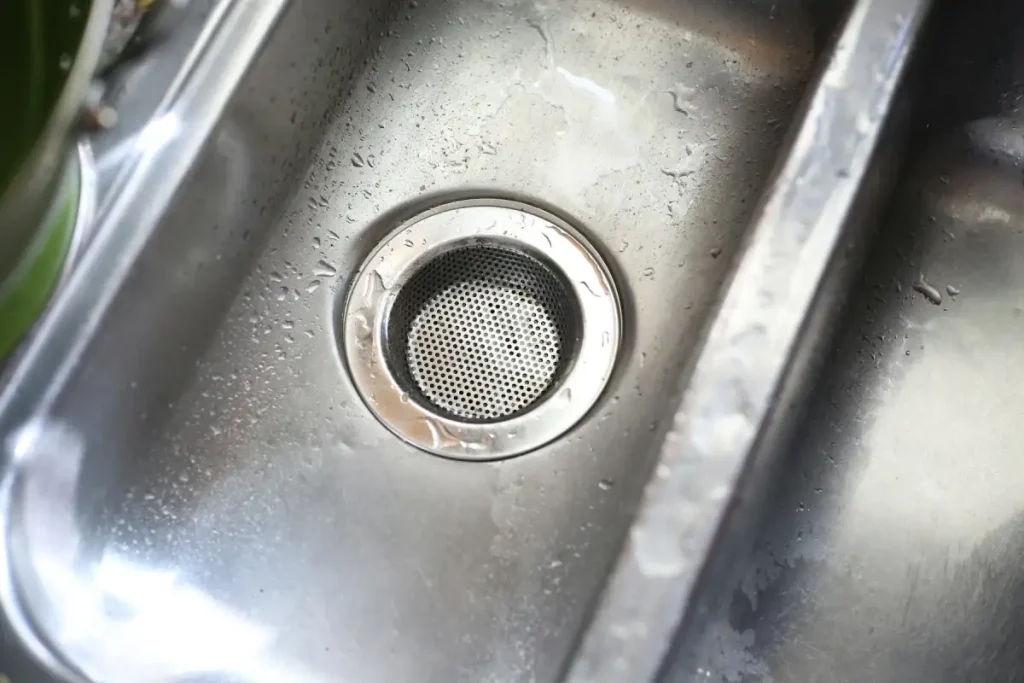
If water backs up out of the standpipe or a nearby laundry sink, the washer is pumping fine and the problem is downstream. Lint buildup in the drain line is common. A drain snake or a plumber can clear it; a lint trap on the washer’s drain hose helps prevent repeats.
Too many suds
Using too much detergent, or regular detergent in a high-efficiency washer, creates foam that can stop the machine from draining and spinning properly. Use the right amount of HE detergent, and run a rinse cycle to clear excess suds.
When to call a technician
- The pump is clean but still does not move water, or it grinds.
- An error code points to the pump, motor or control board.
- You cannot access the pump or filter on your model.
- The washer leaks from underneath during the cycle.
Prevent it next time
- Empty pockets before washing; coins and tissues are top filter cloggers.
- Wash small items like socks and baby clothes in a mesh laundry bag.
- Clean the drain pump filter every few months.
- Use the right amount of HE detergent.
- Leave a few inches behind the washer so the hose cannot kink.
- Keep the door open after washing to prevent smells; see why front-loaders smell.
Shop washer drain lint traps on Amazon → · Shop mesh laundry bags → (As an Amazon Associate, HomePilot earns from qualifying purchases.)
Frequently asked questions
Why is my washing machine not draining?
The most common causes are a clogged drain pump filter, a kinked or clogged drain hose, a faulty lid switch or door lock, a clogged house drain, or a failed drain pump.
How do I drain a washing machine full of water?
Unplug it. On many front-loaders, use the small drain tube next to the pump filter at the bottom front, draining into a shallow pan. On a top-loader, bail out the water or lower the drain hose into a bucket.
Where is the drain filter on a washing machine?
On most front-loaders, behind a small panel at the bottom front. Many top-loaders do not have an easily accessible filter; check your manual.
Can too much detergent stop a washer from draining?
Yes. Excess suds, especially from regular detergent in an HE washer, can stop the machine draining and spinning properly.
Is it worth repairing a washer that will not drain?
Often yes. Most causes are clogs or inexpensive parts like a lid switch. A pump replacement costs more but is usually still cheaper than a new washer.

