

Last updated November 2, 2026. Reviewed by the HomePilot editorial team.
By the Numbers · Appliances
Every appliance in your home is on a clock. The dishwasher you bought when you moved in, the fridge that came with the house, the water heater nobody has looked at in years: each one has a typical lifespan, and knowing it helps you budget, decide whether a repair is worth it, and avoid being caught off guard by a cold shower or a warm fridge.
By the HomePilot Team · Updated November 2, 2026 · Lifespans from the NAHB Study of Life Expectancy of Home Components · How we research
15 yrs
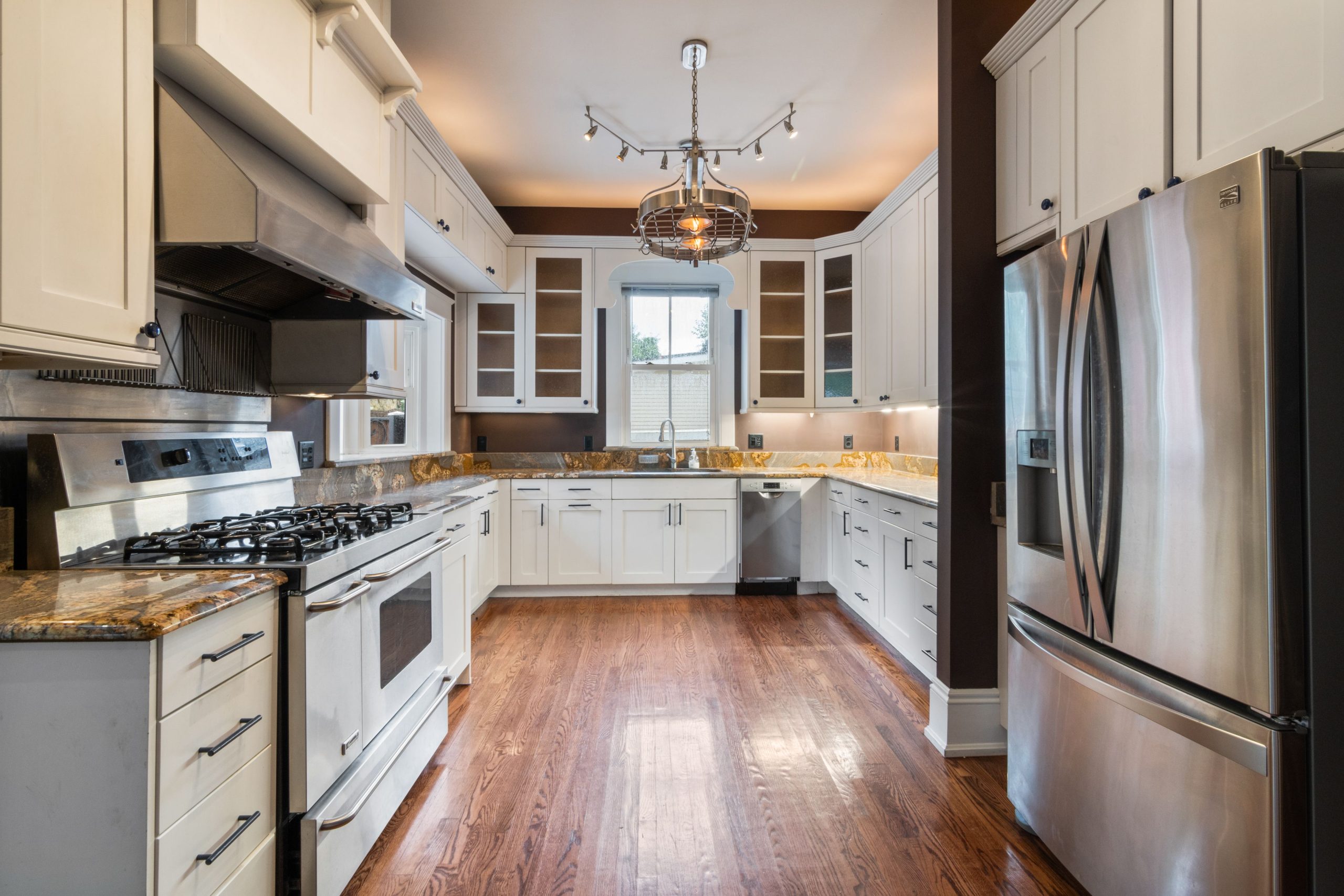
Gas range: the longest-lasting major appliance
13 yrs
Refrigerator and clothes dryer
9 yrs
Dishwasher and microwave: the shortest-lived
The short answer
According to a widely cited study by the National Association of Home Builders (NAHB), most major appliances last 9 to 15 years: about 15 years for a gas range, 13 for a refrigerator, dryer or electric range, 10 for a washer and a standard water heater, and 9 for a dishwasher or microwave. Heating and cooling systems typically last 10 to 20 years. Good maintenance pushes these numbers up; heavy use and neglect pull them down.
How long appliances last: the full chart
| Appliance | Typical lifespan |
|---|---|
| Gas range | 15 years |
| Range hood | 14 years |
| Electric range | 13 years |
| Refrigerator | 13 years |
| Clothes dryer | 13 years |
| Garbage disposal | 12 years |
| Freezer | 11 years |
| Washing machine | 10 years (top-loaders often a little longer) |
| Exhaust fan | 10 years |
| Dishwasher | 9 years |
| Microwave | 9 years |
| Dehumidifier | 8 years |
| Humidifier | 8 years |
| Trash compactor | 6 years |
| Home system | Typical lifespan |
|---|---|
| Electric water heater | About 11 years |
| Gas water heater | About 10 years |
| Tankless water heater | 20 years or more |
| Furnace | 15 to 20 years |
| Heat pump | About 16 years |
| Central air conditioner | 10 to 15 years |
These are averages. The NAHB study also found that many appliances are replaced before they wear out, because of new styles, features and technology. Hard water, heavy use and skipped maintenance shorten them; regular care stretches them.
Repair or replace? The 50 percent rule
A common rule of thumb for deciding whether to fix an appliance:
AND the appliance is past half its expected life
→ replace it. Otherwise, repair it.
| Example | Age vs. lifespan | Repair vs. new | Verdict |
|---|---|---|---|
| 6-year-old dishwasher, $300 pump repair | Past half of 9 years | $300 vs. about $600 new = 50% | Lean toward replacing |
| 5-year-old fridge, $150 thermostat | Under half of 13 years | $150 vs. $1,200 new = 13% | Repair |
| 11-year-old water heater, small leak from the tank | Near the end of about 11 years | Tank leaks are rarely fixable | Replace soon |
Replacement prices vary widely by model, so use quotes for your own appliances. Safety problems, such as a gas smell or a tank leak, override the rule.
The energy side: when an old appliance costs you every month
Age also shows up on the electric bill. Using typical wattages and the U.S. average rate, a pre-2000 refrigerator drawing 225 watts and running half the time costs about $180 a year, while a newer model drawing 125 watts and running 40 percent of the time costs about $80. That $100 gap rarely justifies replacing a working fridge on its own, but it tips the decision when the old one needs a big repair.
~$180/yr
Older fridge (225 W, runs 50% of the time)
~$80/yr
Newer fridge (125 W, runs 40% of the time)
~$100/yr
Difference you can count toward a replacement
Is your fridge running more than it should? Time it with our free checker and see what the extra running costs.
Warning signs an appliance is near the end
| Appliance | Signs it is failing |
|---|---|
| Refrigerator | Food not staying cold, constant running, frost on the back wall, loud compressor |
| Washer | Leaks, shaking even when level, not draining or spinning |
| Dryer | Clothes take two cycles to dry, overheating, burning smell (stop using it) |
| Dishwasher | Dishes still dirty, standing water, leaks under the door |
| Water heater | Rusty water, rumbling, leaks at the tank, running out of hot water fast |
| Furnace or heat pump | Rising bills, uneven heat, frequent cycling, strange noises |
How to make your appliances last longer
- Refrigerator: clean the coils once or twice a year and check the door seal.
- Dryer: clean the lint filter every load and the vent duct yearly. See clogged dryer vent signs.
- Washer: leave the door open to dry and run a cleaning cycle monthly. See why front-loaders smell.
- Dishwasher: clean the filter monthly.
- Water heater: flush sediment yearly. See why water heaters pop.
- Heating and cooling: change filters regularly and book an annual tune-up.
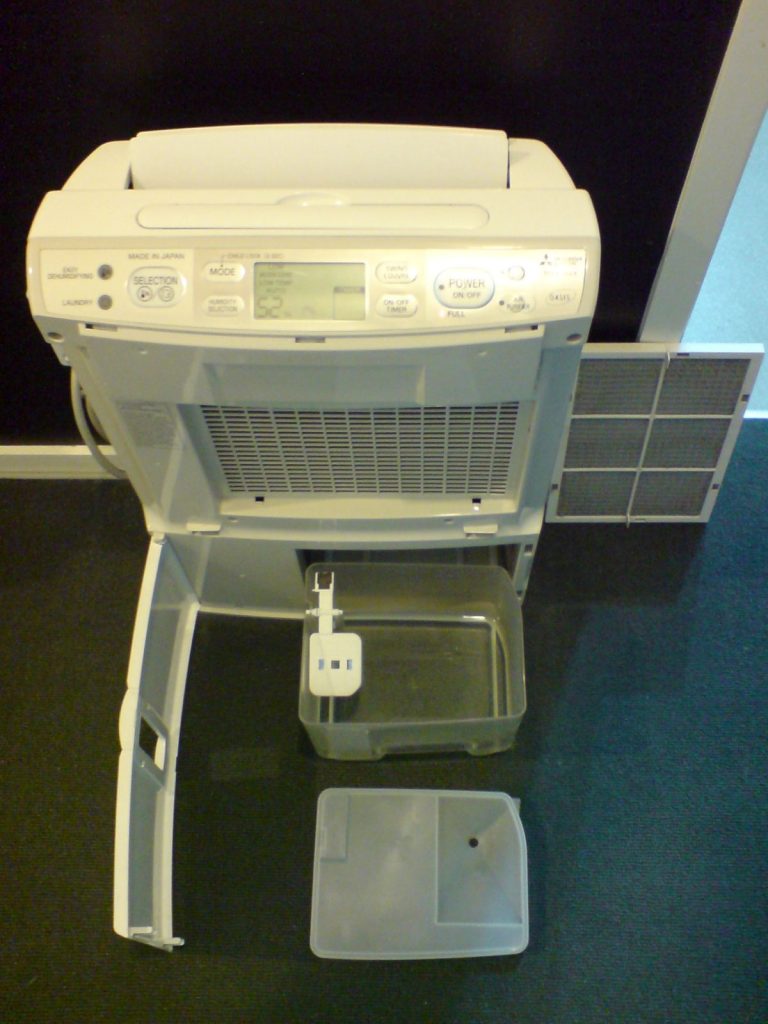
- Dehumidifier: rinse the filter every couple of weeks.
What shortens (or stretches) an appliance’s life
Two identical dishwashers can have very different lives. The biggest factors are things you can see and partly control:
- How hard it works. A family of five running the washer daily will wear it out years sooner than a single person running it twice a week.
- Hard water. Minerals build up inside water heaters, dishwashers and washers, making them work harder and fail sooner. A water softener or regular descaling helps.
- Installation. A washer that is not level shakes itself apart; a fridge jammed against the wall overheats; a dryer with a long, crushed vent runs hot.
- Where it lives. A fridge or freezer in a hot garage, or a washer in an unheated space, runs under more strain.
- Power quality. Surges can damage the electronics in modern appliances. A surge protector for sensitive appliances, or a whole-home surge protector installed by an electrician, adds protection.
- Maintenance. Clean filters, coils and vents are the cheapest way to add years.
Are extended warranties worth it?
Many appliance failures happen either very early, often covered by the manufacturer’s warranty, or late in life, after most extended plans have expired. That is why many consumer advocates suggest putting the money you would spend on a plan into a savings fund for repairs instead. Before buying one, check what your credit card already covers, read what is excluded, and compare the plan’s price with the cost of a typical repair. A plan can make sense for an expensive appliance with costly, failure-prone parts, but it is rarely a must.
Budget for replacements before they surprise you
Write down the age of each major appliance. Anything within two or three years of its typical lifespan goes on a short list, and you can start setting aside money now. When one does fail, you will be shopping by choice, not in a panic, and you can compare running costs with our Appliance Running Cost Calculator before you buy.
Frequently asked questions
How long do refrigerators last?
About 13 years on average, according to the NAHB study. Many last longer with clean coils and a good door seal; a failed compressor usually means it is time to replace.
How long do washers and dryers last?
Washers last about 10 years and dryers about 13 years on average, according to the NAHB.
Which appliance lasts the longest?
Among major kitchen and laundry appliances, the gas range lasts longest, at about 15 years. Tankless water heaters can last 20 years or more.
Should I repair or replace an old appliance?
A common rule: replace it if the repair costs more than half the price of a new one and the appliance is past half its expected life. Otherwise, repair it.
Do newer appliances last as long as older ones?
Studies suggest many appliances are replaced sooner than in past decades, partly because of changing features and styles. Regular maintenance is the best way to get full life from a new one.

