

Last updated November 16, 2026. Reviewed by the HomePilot editorial team.
Checklist · Home noises
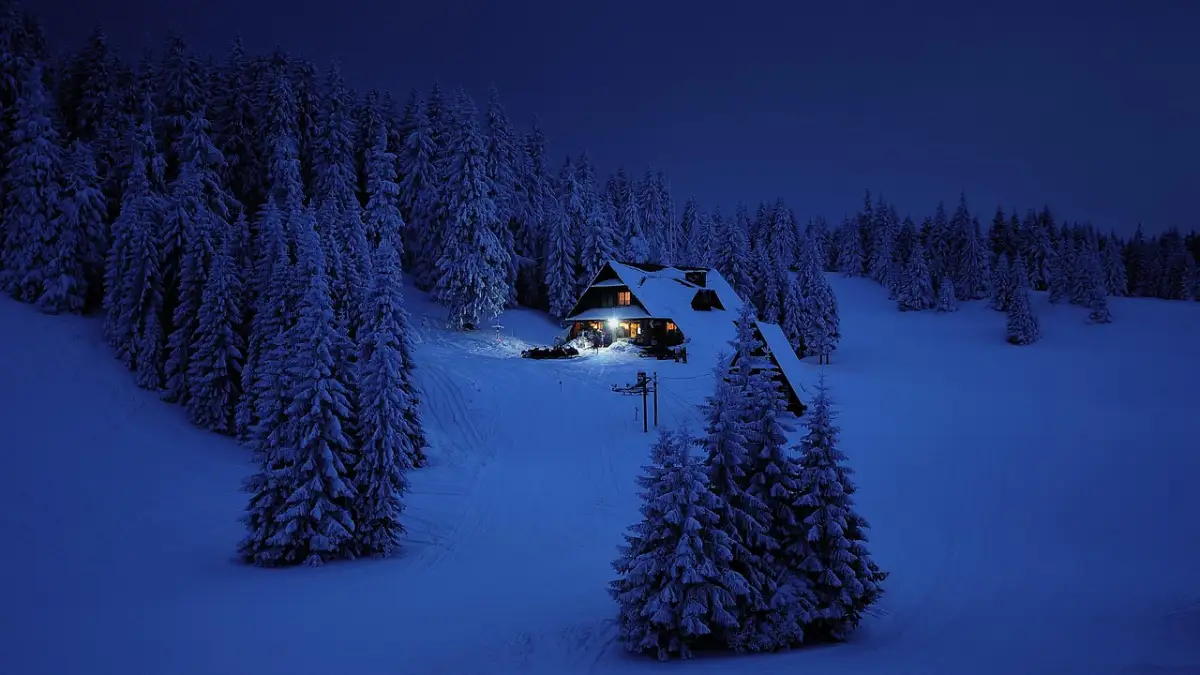
Pop. Creak. A sharp crack from the ceiling just as you are falling asleep. On cold nights, many houses sound like they are settling in for a fight. Almost always, the culprit is harmless: wood, metal and plastic shrinking as the house cools after sunset, or ductwork and pipes ticking as the heat cycles on and off. A few noises are worth checking out, though. This guide helps you work out what you are hearing, when it is normal, and the signs that mean you should call a professional.
By the HomePilot Team · Updated November 16, 2026 · Based on home inspector, builder and HVAC explanations of thermal expansion and house noises · How we research
Before you start: the short answer
Most creaks, pops and ticks at night come from thermal expansion and contraction. As temperatures drop after sunset, wood framing, metal ductwork, pipes and roofing shrink at different rates and rub or slip against each other, releasing a pop. You notice it at night because the house is quiet and cooling fastest. It is normal unless it comes with new or widening cracks, doors or windows that suddenly stick, sloping floors, or sounds like scratching, dripping or electrical buzzing.
What are you hearing?
| Sound | Likely source | Normal? |
|---|---|---|
| Ticking or pinging in walls or ceilings when the heat runs | Metal ductwork expanding as warm air flows | Yes |
| A loud pop or bang when the furnace starts or stops | Ductwork flexing as the blower pressurizes it (“oil canning”) | Usually; can be quieted |
| Random creaks and cracks on cold nights | Wood framing and roof trusses contracting | Yes |
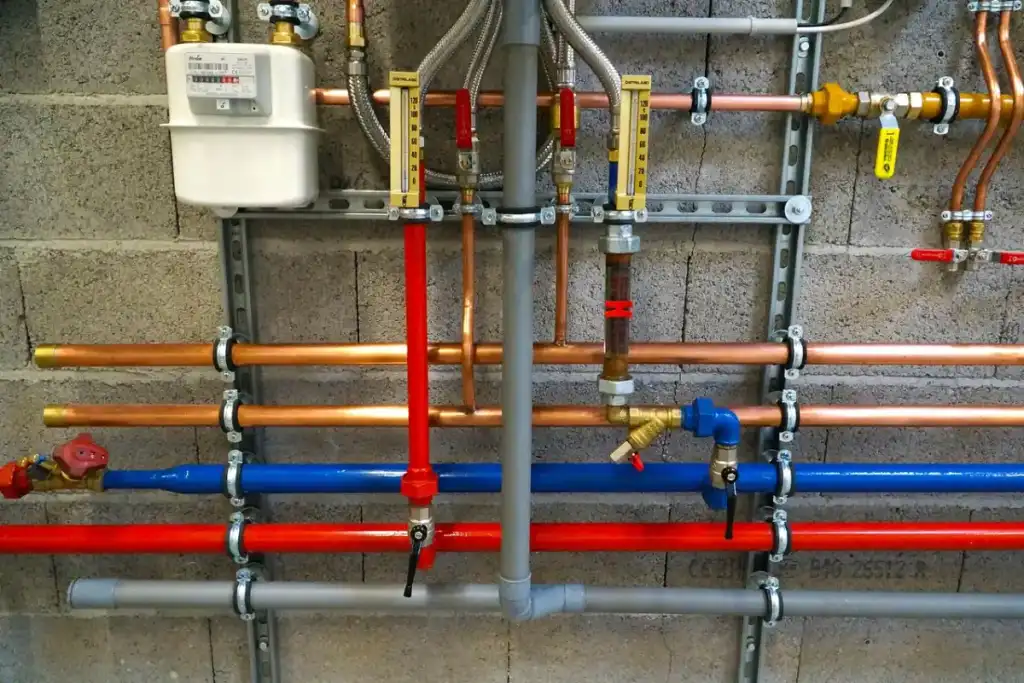
| Ticking in walls after running hot water | Pipes expanding against framing | Yes |
| A loud bang when a faucet or appliance shuts off | Water hammer | Fixable; see water hammer |
| Creaks when walking on floors | Loose subfloor or joists | Normal but fixable |
| Scratching, scurrying or chewing | Mice, squirrels or other animals | No; investigate |
| Buzzing or crackling from outlets or switches | Electrical problem | No; call an electrician |
Why houses pop more at night
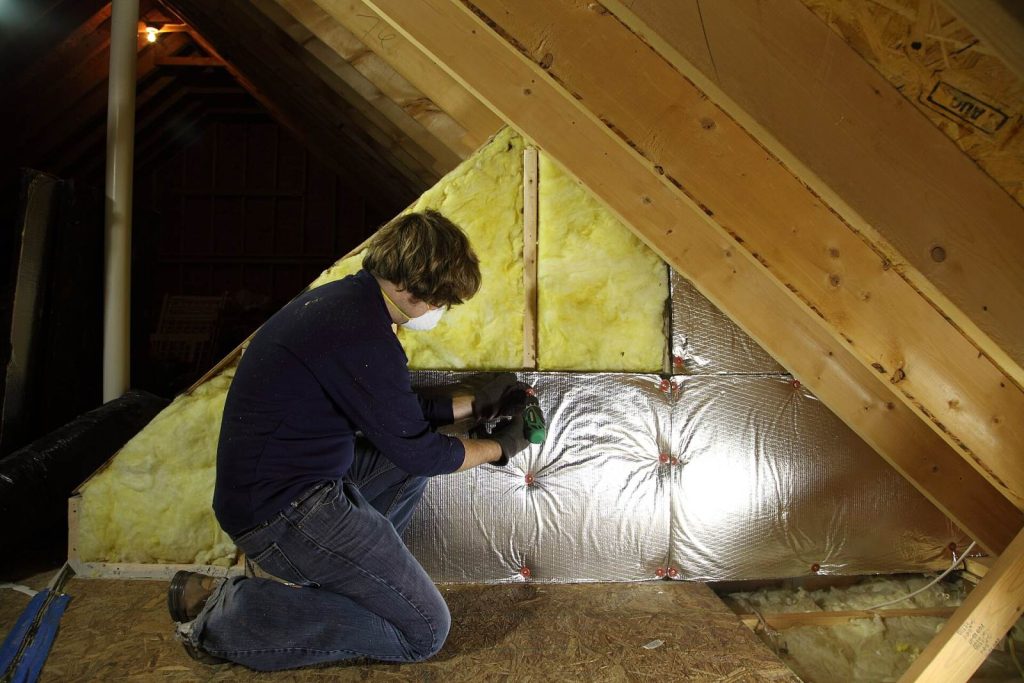
Every building material grows slightly when it warms and shrinks when it cools, but not at the same rate. Metal ductwork, wood studs, drywall and plastic pipes all move by different amounts. When one material slides past another, or past a nail or screw, stored tension releases as a pop or creak. After sunset, the outside temperature drops fastest and the house is at its quietest, so those sounds stand out. Winter adds dry air: wood loses moisture and shrinks, which adds to the movement.
The noise checklist
Normal noises you can ignore
- Occasional creaks and pops on cold nights, especially in the evening and early morning.
- Ticking in ducts when the furnace starts or shuts off.
- Ticking pipes after a hot shower or dishwasher run.
- Settling sounds in a new home during its first few years as the lumber dries.
- Roof and attic pops on very cold or windy nights.
Noises you can quiet down
- Popping ductwork: an HVAC technician can add insulation, rubber isolation pads or bracing where ducts touch framing.
- Ticking pipes: cushioned pipe clamps or foam sleeves stop pipes rubbing on joists.
- Big temperature swings: a smaller nighttime thermostat setback means less expansion and contraction.
- Very dry air: keeping indoor humidity steady helps wood move less; see ideal indoor humidity.
- Squeaky floors: screws through the subfloor into joists usually fix them.
Warning signs worth checking
- New or widening cracks in walls or ceilings, especially diagonal cracks from door and window corners.
- Doors or windows that suddenly stick or will not latch.
- Floors that slope or feel bouncy where they did not before.
- Stair-step cracks in brick or block foundations.
- Gaps opening between walls and ceilings or around trim.
- Loud cracks with visible movement, such as falling plaster.
These can point to foundation movement or structural problems. A structural engineer or foundation specialist can assess them; small hairline cracks that do not grow are usually cosmetic.
Noises that are not the house
- Scratching or scurrying in walls or the attic, often at dusk or dawn, suggests animals.
- Dripping or running water when nothing is on can be a leak; check your water meter.
- Buzzing, crackling or a burning smell from outlets or switches needs an electrician right away.
- Gurgling drains can mean a blocked plumbing vent.

How to track down a mystery noise
- Note the timing. Does it happen when the furnace starts or stops, after a shower, at sunset, or randomly?
- Note the location. Ceiling, a specific wall, the floor, the attic or near the furnace?
- Test a theory. Run the furnace fan alone, or run hot water, and listen.
- Keep a short log for a week; patterns point to the source.
- Bring the log to a pro if you need help; it speeds up the diagnosis.
Ceiling cracks in winter: truss uplift
If you notice a crack or gap where an interior wall meets the ceiling that appears in winter and closes in summer, it may be truss uplift. In cold weather, the top parts of roof trusses in a cold, insulated attic and the warmer bottom parts can move differently, lifting the ceiling slightly away from interior walls. It can come with loud pops. It is generally a cosmetic issue rather than a structural one, and builders can attach drywall in ways that hide it, but have it checked if gaps are large or growing.
Frequently asked questions
Why does my house make popping noises at night?
Mostly thermal contraction. As temperatures drop after sunset, wood framing, ductwork and pipes shrink at different rates and slip against each other, releasing pops and creaks.
Is it normal for a house to creak in winter?
Yes. Cold temperatures and dry air make wood shrink and materials move more, so creaks and pops are more common in winter.
Why do my air ducts pop when the heat turns on?
Metal ductwork expands as warm air flows through it, and the blower’s pressure can flex it, causing ticking or a pop. A technician can add insulation or isolation pads to quiet it.
When should I worry about house creaking noises?
When they come with new or widening cracks, sticking doors or windows, sloping floors, or sounds like scratching, dripping or electrical buzzing.
Can I stop my house from creaking?
You cannot stop it entirely, but smaller thermostat setbacks, steady humidity, and cushioning ducts and pipes where they touch framing can reduce it.

