


Last updated November 24, 2026. Reviewed by the HomePilot editorial team.
Checklist · Winter storms
When a winter storm knocks out the power, the furnace usually goes with it, even gas furnaces, which need electricity for their fans and controls. A well-insulated house holds its heat for a while, but on a long, cold night the temperature inside can drop fast. Staying warm is mostly about trapping the heat you have and using your body heat well. Staying safe is about one rule above all: never bring outdoor heating or cooking equipment inside. This checklist covers what to do before, during and after an outage.
By the HomePilot Team · Updated November 11, 2026 · Based on CDC, National Weather Service and CPSC guidance · How we research
The one rule that saves lives
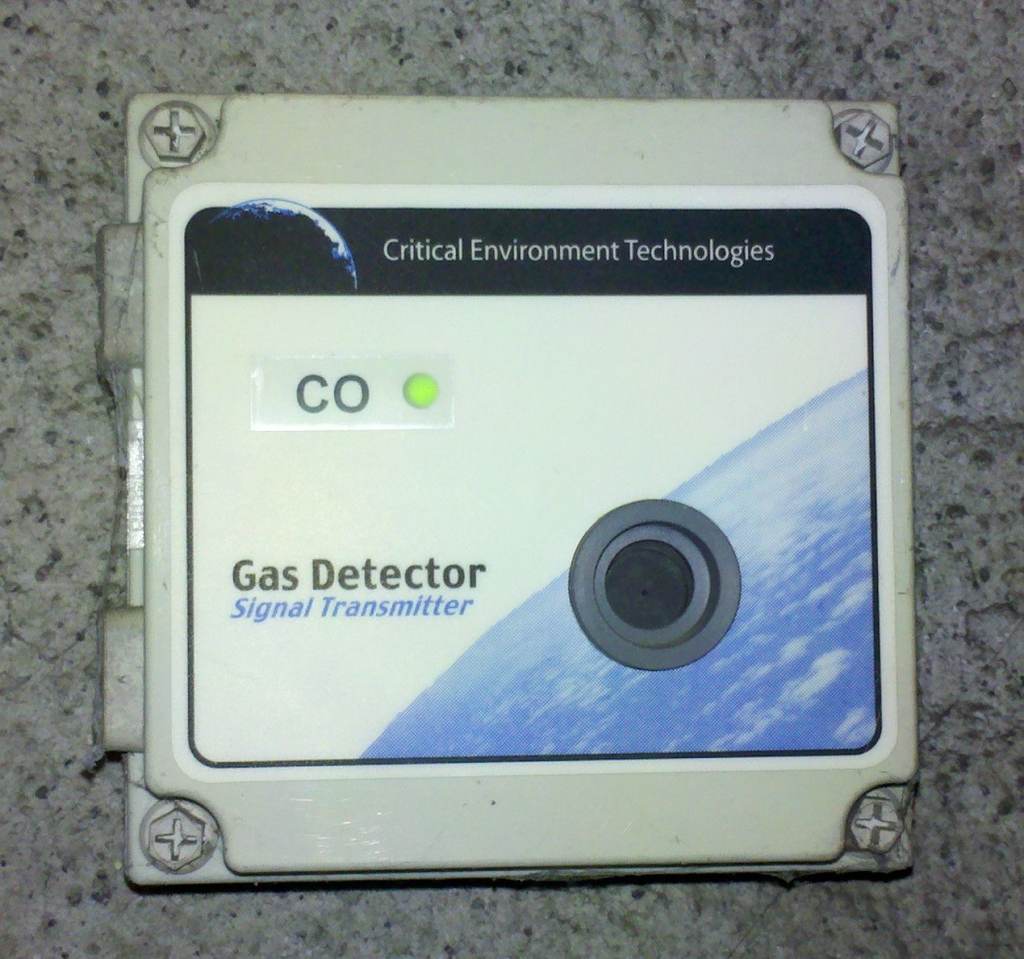
Never use a gas oven or stove, grill, camp stove, outdoor heater or generator to heat your home, not even with windows open, and never run a car in an attached garage. They produce carbon monoxide, a colorless, odorless gas that can kill quickly. Carbon monoxide poisoning and fires, not the cold itself, are behind many deaths in winter outages. Keep a battery-powered carbon monoxide alarm working on every level.
Before you start: the short answer
Gather everyone in one small room, close the doors, block drafts and cover the windows. Wear several thin layers, a hat and dry socks, and use sleeping bags and blankets. Eat, drink warm fluids and stay together to share body heat. Only use heat sources that are safe indoors, and leave for a warming center or a friend’s home if the house gets dangerously cold.
Will your pipes freeze tonight? Check in seconds with our free frozen pipe risk checker: enter the forecast low and where your pipes run.
The winter outage checklist
Before the storm
- Test carbon monoxide and smoke alarms, and make sure at least one CO alarm runs on batteries.
- Gather warmth supplies: sleeping bags rated for cold, extra blankets, hats, gloves and wool socks.
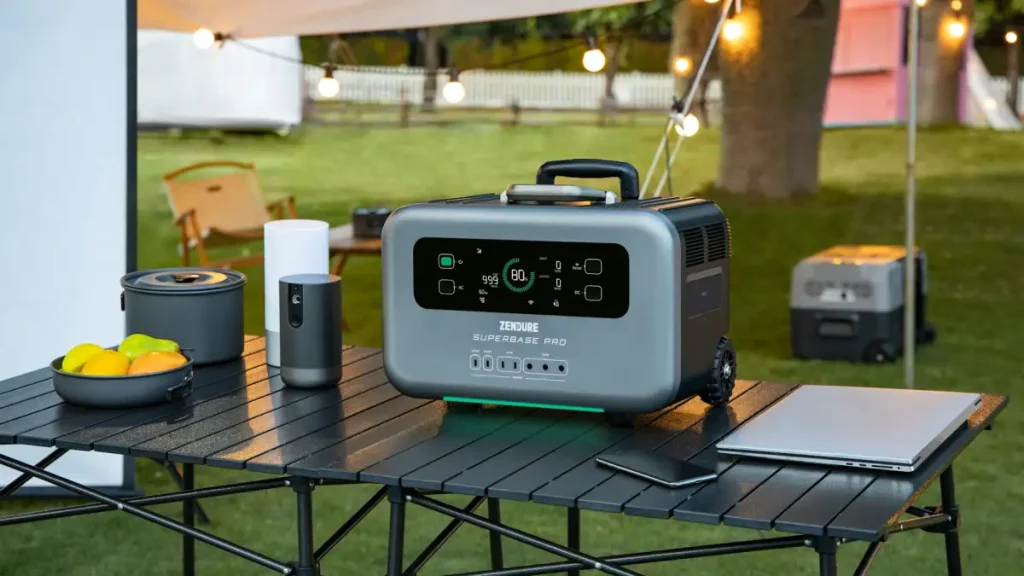
- Charge everything: phones, power banks and, if you have one, a portable power station.
- Stock flashlights and batteries rather than relying on candles.
- Know your plan B: find local warming centers and a friend or relative you could stay with.
- Protect your pipes: know where the main water shutoff is; see how to prevent frozen pipes.
When the power goes out
- Pick one room to live in, ideally a small interior room with few windows and no exterior doors.
- Close the doors to other rooms so you are not heating space you do not use.
- Block drafts under doors and around windows with rolled towels or blankets.
- Cover windows at night with curtains, blankets or blinds; open them on sunny days to let the sun in.
- Stay together. People in one room keep it warmer with their body heat.
- Use flashlights, not candles, to avoid fires.
Keep your body warm
- Wear several thin layers rather than one heavy one, plus a hat and gloves indoors.
- Stay dry. Change out of damp or sweaty clothes right away.
- Use sleeping bags and pile blankets on beds; sleep close together.
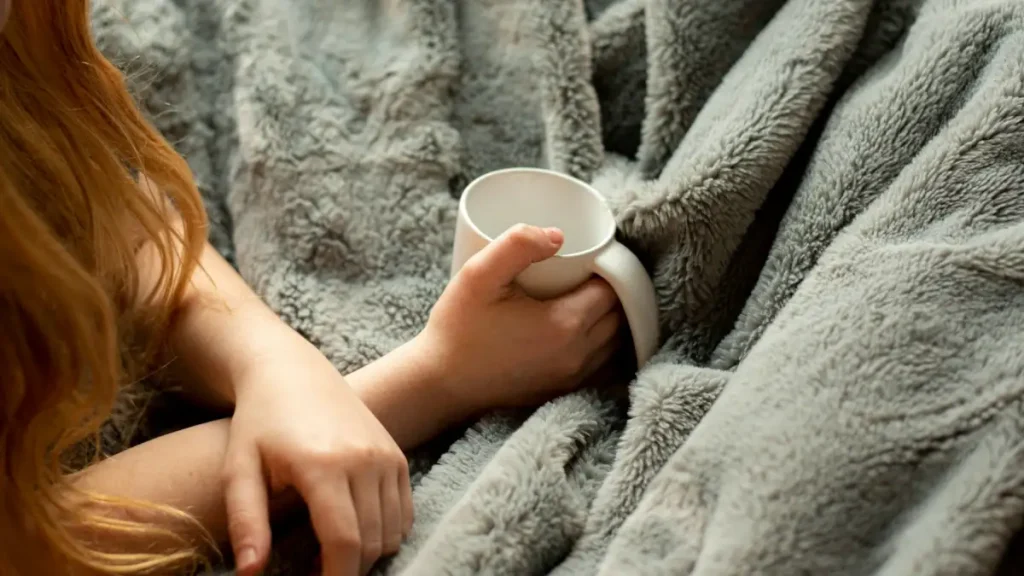
- Eat regular meals and drink warm fluids; your body needs fuel to make heat. Avoid alcohol, which makes you lose heat faster.
- Keep moving a little during the day to stay warm.
- Bring pets inside the warm room.
Safe ways to add heat
- Fireplaces and wood stoves only if properly vented to the outside and in good condition, with the damper open.
- Indoor-rated portable heaters only if labeled for indoor use, following every instruction on ventilation and clearances, with a CO alarm in the room, and never while sleeping.
- A battery power station can run an electric blanket for hours, since blankets use far less power than heaters; see heated blankets.
- A generator only outdoors, at least 20 feet from the house, to power a few essentials through a heavy-duty cord; see generator safety.
Shop battery-powered CO alarms on Amazon → · Shop cold-weather sleeping bags → (As an Amazon Associate, HomePilot earns from qualifying purchases.)
Protect the house
- Let faucets drip on cold nights, especially on outside walls, to help prevent frozen pipes.
- Open cabinet doors under sinks so warmer room air reaches the pipes.
- Keep the fridge and freezer closed. The USDA says a closed fridge keeps food safe for about 4 hours, and a full freezer for about 48.
- Unplug sensitive electronics to protect them from surges when power returns.
Which room to choose
The best room is small, has few windows and exterior walls, and sits in the middle of the house. A bedroom or den on the sunny side of the home can be a good choice during the day. Avoid rooms over unheated garages or with large glass doors. Upstairs rooms stay warmer as heat rises, while basements stay cooler but more stable; in a long outage, pick whichever room holds its temperature best and move everyone, blankets and supplies there.
When to leave
Do not wait it out if the house is getting dangerously cold. Go to a warming center, shelter, or a friend’s or relative’s home if indoor temperatures keep dropping, if you have infants, older adults or anyone with health conditions at home, or if anyone shows signs of hypothermia: intense shivering, confusion, slurred speech, drowsiness or clumsiness. Hypothermia is a medical emergency; call 911.
After the power comes back
- Turn the heat back on and check that the furnace starts normally; if it blows cold air, see furnace troubleshooting.
- Check for frozen or burst pipes, especially in the basement, garage and crawl space.
- Plug electronics back in gradually.
- Throw out perishable food that has been above 40°F for more than 2 hours.
- Reconnect smart devices that dropped offline; see why smart devices go offline.
Frequently asked questions
How do I keep warm during a power outage in winter?
Stay in one small room with the doors closed, block drafts, cover windows, wear several thin layers with a hat and dry socks, use sleeping bags and blankets, and eat and drink warm fluids.
Is it safe to use a gas oven for heat during a power outage?
No. Never use a gas oven or stove to heat your home. It can produce deadly carbon monoxide.
How long will my house stay warm without power?
It depends on insulation, outdoor temperatures and wind. A well-insulated home may stay tolerable for many hours; a drafty one can get cold quickly. Keep everyone in one closed-off room to slow heat loss.
Can I use a propane heater indoors?
Only a heater specifically labeled for indoor use, following all ventilation instructions, with a working carbon monoxide alarm nearby, and never while sleeping. Never use outdoor propane heaters inside.
How long does food last in the fridge without power?
The USDA says about 4 hours in a closed refrigerator and about 48 hours in a full, closed freezer.

