

Last updated November 11, 2026. Reviewed by the HomePilot editorial team.
The boxes are in, the bed is up, and the pizza has arrived. It is tempting to call the move finished. But the first week in a new home is the best chance you will ever get to learn how it works: where the water shuts off, which breaker runs the kitchen, who else still has a key, and whether those smoke alarms on the ceiling actually work. Fix those things now, while the rooms are empty, and you will not be learning them during an emergency.
By the HomePilot Team · Updated November 1, 2026 · Safety items checked against NFPA and American Red Cross guidance · How we research
Short answer: when moving into a new house or apartment, test and re-battery every smoke and carbon monoxide alarm, find the main water shutoff and the electrical panel, change or rekey the locks and garage codes, reset any smart devices the previous owners left behind, change the HVAC filter, and set up your internet and Wi-Fi before the rest of your smart home. This moving into a new house checklist covers the first day, the first week and the first month.
The first-day essentials
- Test every smoke and CO alarm and put in fresh batteries
- Find the main water shutoff, the breaker panel and the gas shutoff
- Secure the doors: rekey or change locks, reset garage codes
- Know where the fire extinguisher and first-aid kit are
Before moving day
- Book internet installation two to three weeks ahead; installers can be busy, and working from home on mobile data gets old fast.
- Transfer or start utilities: electricity, gas, water, trash and recycling, starting on your move-in date.
- Update your address with the postal service, your bank, employer, insurance and subscriptions.
- Set up renters or homeowners insurance to start on move-in day.
- Ask the previous owner or landlord for appliance manuals, the age of the water heater and HVAC system, and any garage or alarm codes.
Day one: safety
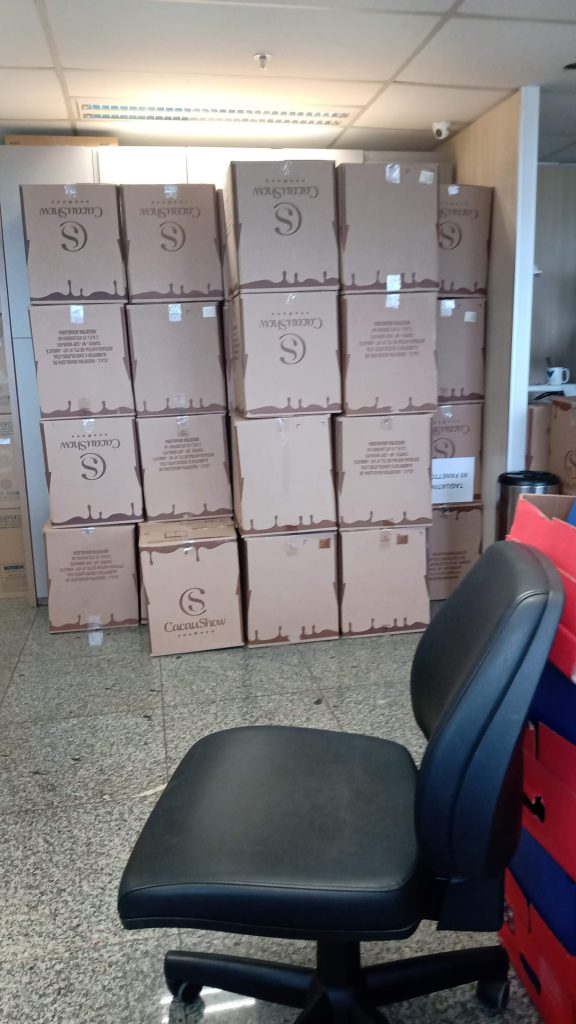
- Test every smoke alarm with its test button. Fire departments advise replacing smoke alarm batteries right away when you move into a new home.
- Check the date on the back. The NFPA recommends replacing smoke alarms every 10 years, and many carbon monoxide alarms need replacing after 5 to 10 years. See why a chirping CO alarm may need replacing.
- Count the alarms. There should be at least one on every level, outside each sleeping area and, in newer homes, inside each bedroom.
- Find the main water shutoff and make sure it turns. Show everyone in the house.
- Find the electrical panel and check the breaker labels. If they are missing or wrong, map them now while you can test each room.
- Find the gas shutoff, if you have gas, and keep a wrench nearby.
- Put a fire extinguisher in the kitchen and know where the first-aid kit is.
Day one: security
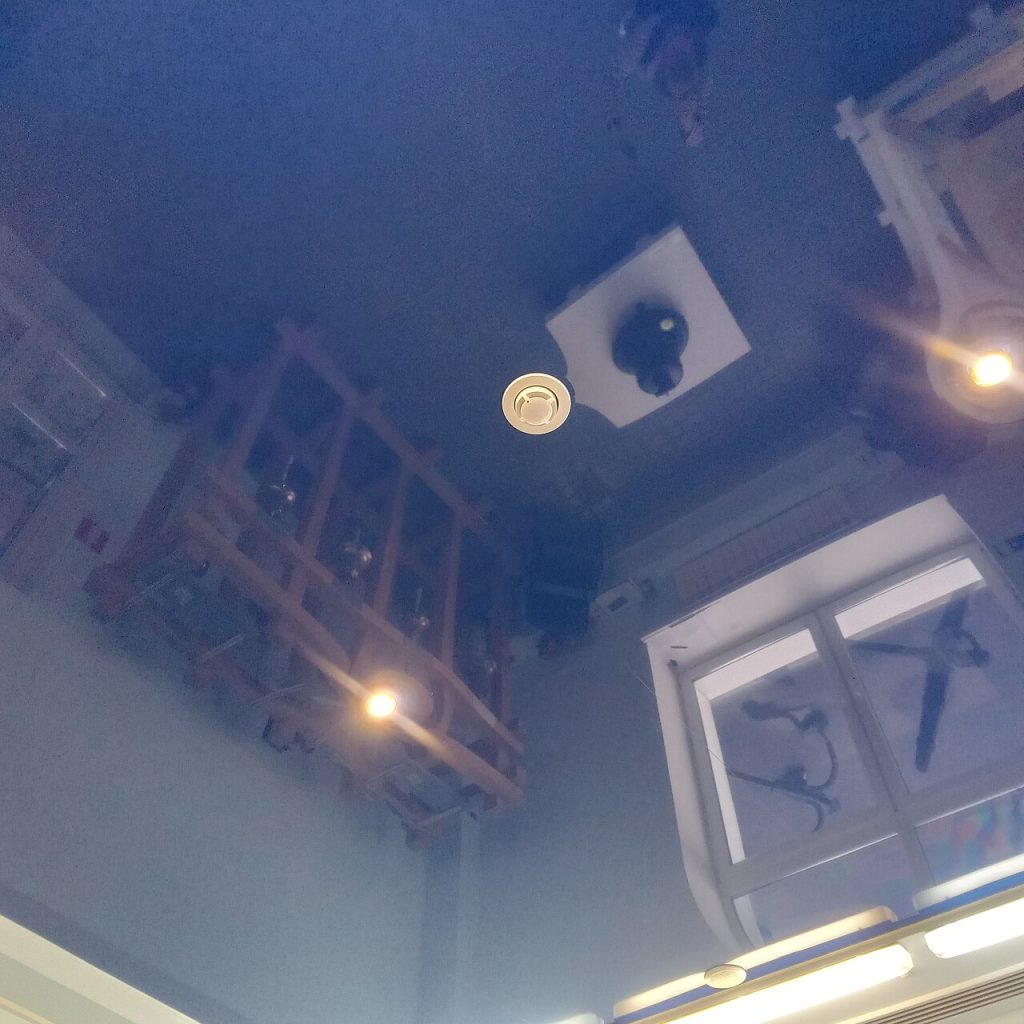
- Change or rekey the locks. You do not know how many copies of the old keys exist. Renters should ask the landlord whether locks were rekeyed after the last tenant.
- Reset garage door opener codes and remove old remotes from the opener’s memory.
- Change any alarm system and keypad codes.
- Reset smart devices left behind. A doorbell, thermostat or smart lock may still be linked to the previous owner’s account. Ask them to remove it, then factory reset it and add it to yours.
- Change the Wi-Fi name and password if the router came with the home.
Renting? Our guides to smart locks for renters and renter-friendly smart home upgrades cover options that need no drilling.
First week: systems and leaks
- Replace the HVAC filter and note its size for next time. See which MERV rating to use.
- Set the water heater to about 120°F, the setting the Department of Energy suggests for most homes.
- Test GFCI outlets in the kitchen, bathrooms, garage and outside. See how GFCI outlets work.
- Check for leaks under sinks, around the water heater and behind the toilet. The toilet dye test takes 15 minutes.
- Clean the dryer vent before your first load. See the warning signs of a clogged vent.
- Read the water and electric meters on day one so your first bill is accurate.
First week: set up the smart home in the right order
- Router or mesh system first. Place it centrally and test coverage room by room. See extenders vs mesh.
- A separate network for smart devices, if you want one. See how to set it up.
- Any hub next, then the devices that depend on it.
- Thermostat schedule. Set a schedule before the first bill arrives.
- Safety devices such as leak sensors under sinks and near the water heater.
A quick room-by-room walk-through
Walk the empty rooms once with a notepad. It takes about 30 minutes and catches problems before furniture hides them.
| Room | What to check |
|---|---|
| Kitchen | Fridge temperature (40°F or below), dishwasher and sink for leaks, range hood fan, GFCI outlets |
| Bathrooms | Exhaust fan clears steam, toilets do not run, caulk around tub and shower, GFCI outlets |
| Bedrooms | Smoke alarm present, windows open and lock, outlets work |
| Laundry | Washer hoses not cracked, dryer vent connected and clear |
| Basement or utility area | Water heater age and leaks, furnace filter, signs of damp or musty smell |
| Outside | Gutters clear, downspouts point away from the house, outdoor faucets work |
Take photos of anything worn or damaged on day one. Renters should share them with the landlord to protect the deposit, and owners will have a record for any warranty or insurance claim.
First month: get to know your costs
- Register appliance warranties and save the manuals in one folder or app.
- Compare your first utility bills with the previous owner’s, if they shared them.
- Run a quick DIY home energy audit to spot anything wasting money.
- Note the age of big systems (roof, water heater, HVAC) and start a small savings fund for replacements.
- Learn your trash, recycling and bulk pickup days.
Frequently asked questions
What should I do first when moving into a new house?
Test every smoke and carbon monoxide alarm and fit new batteries, find the main water shutoff and the electrical panel, and secure the doors by rekeying or changing the locks.
Should I change the locks when I move into a new house?
Yes. You cannot know how many copies of the old keys exist. Rekeying is usually cheaper than replacing locks. Renters should ask the landlord whether the locks were rekeyed.
How often should smoke alarms be replaced?
Every 10 years, according to the NFPA. Check the manufacture date on the back of each alarm when you move in.
What should I do with smart devices the previous owner left?
Ask the previous owner to remove them from their account, then factory reset each device and set it up with your own account.
When should I set up internet for a new home?
Book installation two to three weeks before you move, so it is ready on move-in day.

