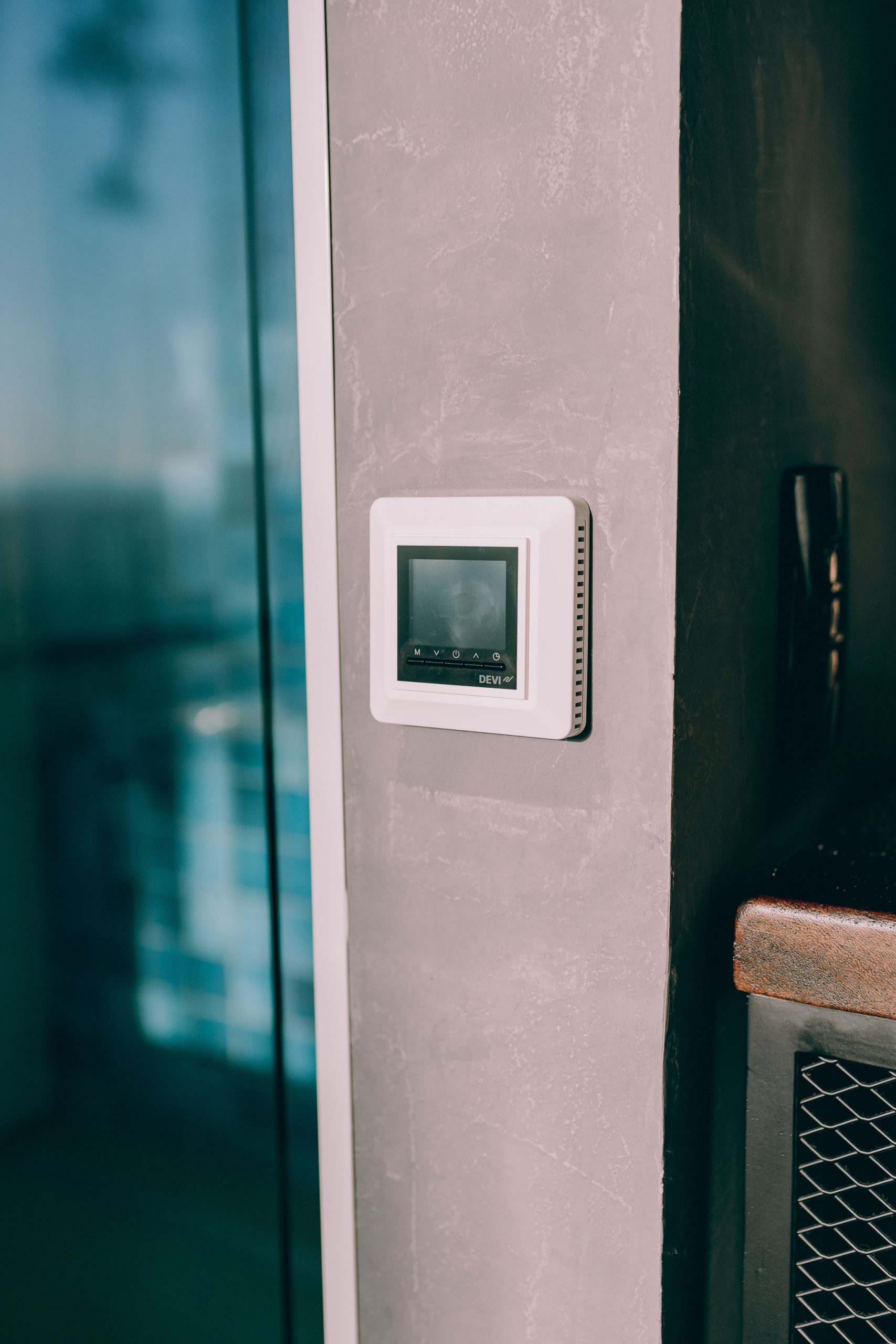

Smart thermostat ads are aimed at a 2,800-square-foot house with a finished basement, and the savings percentage on the box doesn’t change when you live in a 650-square-foot apartment — but the dollar amount behind that percentage does, by a lot. Before you spend $130–$250 on a device the marketing says pays for itself, it’s worth working out whether that math actually holds for a space your size.
The Quick Verdict
- Manufacturer savings claims (10–26%) are measured against your total heating and cooling bill — a smaller home has a smaller bill to take a percentage of, so the same percentage is a much smaller dollar amount
- Independent, third-party studies consistently measure real-world savings well below manufacturer claims — often half or less
- The bigger question for an apartment isn’t whether a smart thermostat saves money, it’s whether your system can even use one — most run on central, low-voltage, forced-air wiring that a lot of apartments simply don’t have
- Electric baseboard heat and most window or PTAC units aren’t compatible with mainstream smart thermostats (Nest, Ecobee, Honeywell) at all — there’s no wiring for it to connect to
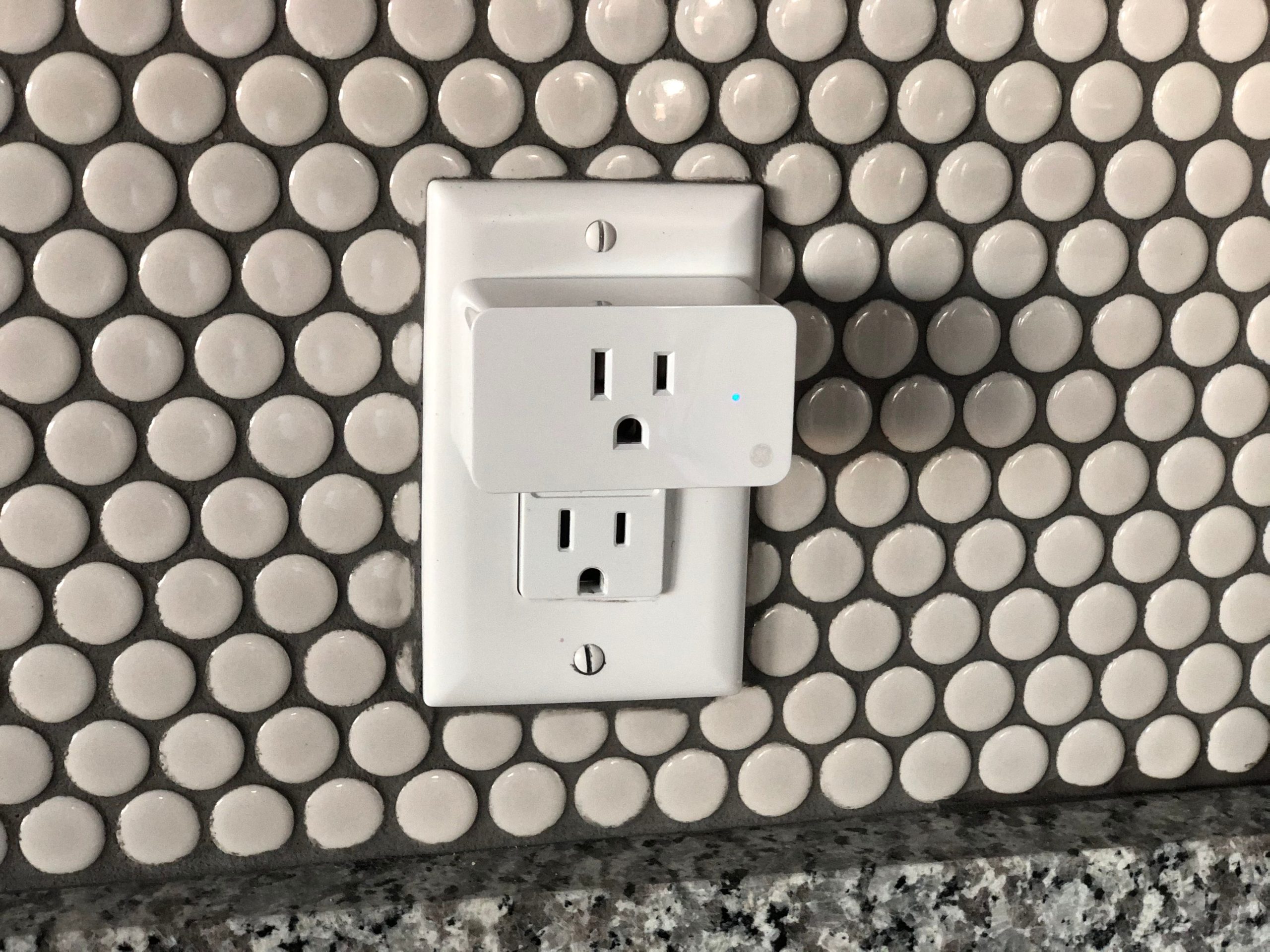
- If you’re not compatible, a smart AC controller or an energy-monitoring smart plug gets you scheduling and remote control for $15–$80, with no wiring involved and nothing left behind when you move
What Manufacturers Claim vs. What Independent Studies Found
| Source | Manufacturer Claim | Independently Measured |
|---|---|---|
| Nest | 10–12% heating, 15% cooling | ~4.8% cooling (Navigant pilot, rebate customers) |
| Ecobee | Up to 23–26% (with room sensors) | 16% cooling / 10% heating (National Grid pilot, 123 homes) |
| ENERGY STAR (EPA) | — | ~8% of heating & cooling costs, ~$50/yr average household |
The gap shows up across every brand for a simple reason: manufacturer estimates often compare against a home with no schedule at all, while independent studies include plenty of people who already had a decent programmable schedule running — leaving a lot less room for a smart thermostat to improve on.
Why Small Spaces Change the Math
Take the ENERGY STAR benchmark of about 8% and apply it to two real households with central forced-air systems:
- 600 sq ft apartment, ~$350/year heating and cooling spend → 8% savings = ~$28/year
- 2,400 sq ft house, ~$1,800/year heating and cooling spend → 8% savings = ~$144/year
A thermostat priced around $100–$150 after any utility rebate pays back in under a year in the house. In the apartment, at $28 a year, it takes four to five years — longer than a lot of renters stay in one unit. The device is portable and can move with you to a compatible next home, so it’s not necessarily wasted money, but the payback timeline is meaningfully longer than the marketing implies once your total bill is this small.
The Question That Matters More Than Square Footage
All of the math above assumes you can actually install one, and that’s not a given in a small rental. Mainstream smart thermostats need a central, low-voltage (24VAC) forced-air or heat-pump system, usually with a C-wire (or a power-extender-kit workaround if one’s missing). They are not compatible with electric baseboard heat — a common setup in older apartment buildings — and most window and PTAC (packaged terminal air conditioner) units, standard in a lot of apartment complexes, have no external low-voltage thermostat wiring at all for a smart thermostat to connect to. Even where the system is technically compatible, some leases prohibit permanently swapping out fixtures like a thermostat, so it’s worth checking before you buy, not after.
The Renter-Friendly Alternative
- Smart AC controller: a small device that sits in the room and controls your existing window unit, PTAC, or mini-split’s remote functions over infrared, adding a schedule and app or location-based control on top without touching any wiring — typically $50–$80
- Energy-monitoring smart plug: for a window unit, a plug adds a basic schedule and lets you see exactly what the unit draws — for $15–$30, no permanent install, and it comes with you when you move. We cover whether these actually pay for themselves in our smart plug ROI breakdown
Do the Math for Your Place
The Smart Thermostat Savings Calculator runs your actual square footage and current bill against realistic savings percentages instead of the manufacturer’s headline number, and the Smart Thermostat Comparison Tool lines up models side by side if your system does check out as compatible. If you’ve already got one and it keeps disconnecting or resetting, here’s the usual cause — it’s rarely the battery. And whichever route fits your setup, HomePilot Picks rounds up the thermostats and controllers we’ve actually tested.
The One Question to Ask Before You Buy
Before you add a smart thermostat to your cart, run your system through the manufacturer’s own compatibility checker (Nest and Ecobee both have one). If it comes back incompatible, or if your setup is a window AC, a PTAC, or baseboard heat, that answer is worth more than any savings percentage on the box — it means the whole conversation is moot until you’re in a place with central, low-voltage HVAC.