

Last updated November 20, 2026. Reviewed by the HomePilot editorial team.
Fix It · Heating
The first cold night of the season, you turn up the heat, the vents start blowing, and the air coming out is cold. It is one of the most common heating complaints every November, and the good news is that the cause is often something you can fix yourself in minutes: a thermostat setting or a clogged filter. Here is how to find out which, what the pattern of cold air tells you, and when to stop and call a technician.
By the HomePilot Team · Updated November 5, 2026 · Checked against Carrier and HVAC troubleshooting guidance · How we research
Quick fix
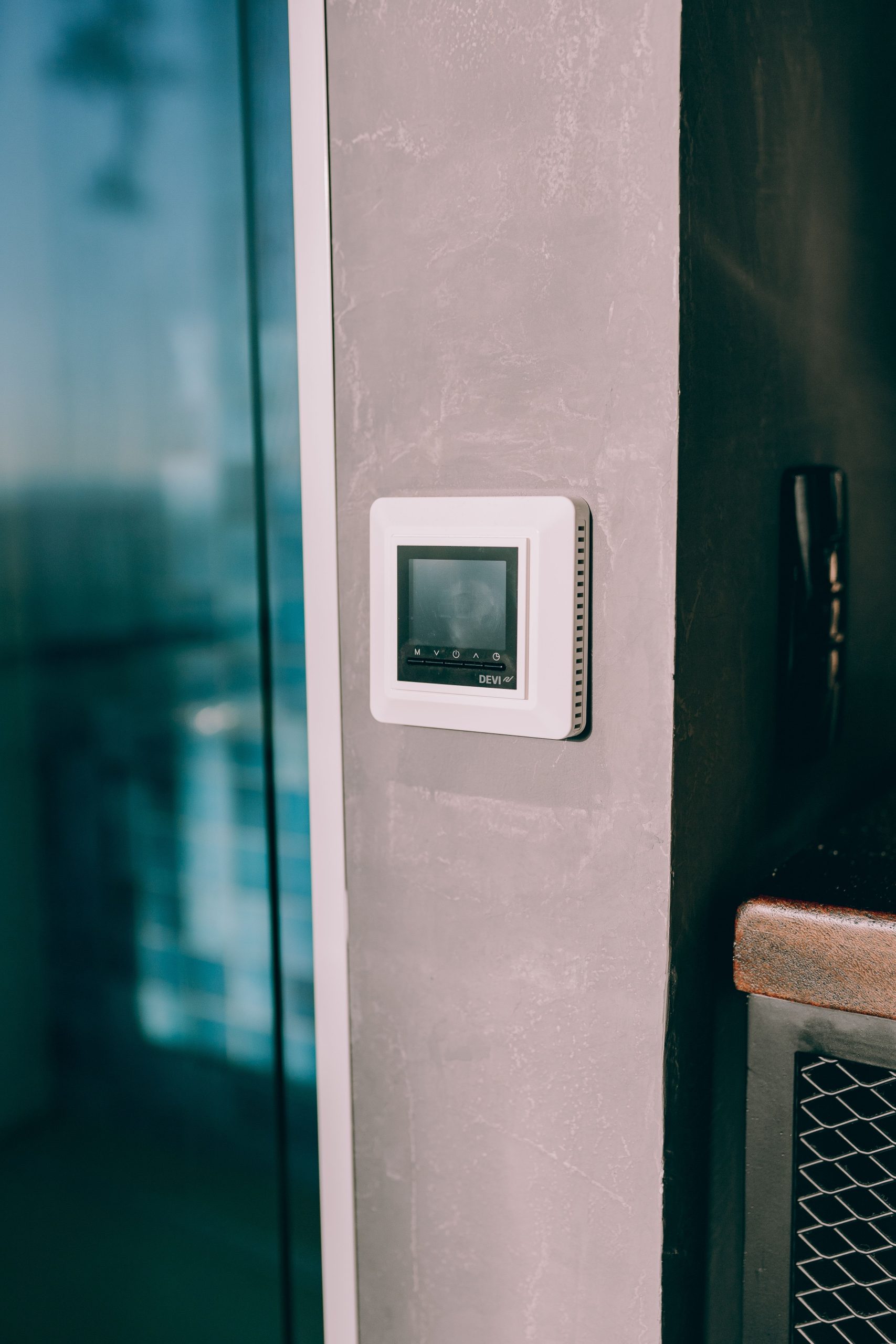
Check two things first. 1. The thermostat: it should be set to Heat, a few degrees above room temperature, with the fan on Auto, not On. A fan set to On blows room-temperature air between heating cycles, and Carrier names it the most common cause. 2. The air filter: a clogged filter can make the furnace overheat, which trips a safety switch that shuts off the burners while the fan keeps blowing. Replace a dirty filter. If the air is still cold after both, the problem is likely ignition or a flame sensor, and it is time for a technician.
What the cold air is telling you
| What you notice | Likely cause | Can you fix it? |
|---|---|---|
| Cool air between heating cycles, warm air when it runs | Thermostat fan set to On | Yes: set the fan to Auto |
| Warm air at first, then cold after a few minutes | Furnace overheating, often from a clogged filter | Yes: replace the filter, open vents |
| Cold air from the start; burners never light | Ignition, pilot light or gas supply problem | Check the gas valve; otherwise call a pro |
| Burners light, then shut off within seconds | Dirty or failing flame sensor | Often a quick technician fix |
| Furnace runs but some rooms stay cold | Closed vents, blocked returns or leaky ducts | Partly: open vents, check returns |
| High-efficiency furnace shuts down, maybe with water nearby | Clogged condensate line | Sometimes: clear the drain line |
Step-by-step: fix a furnace blowing cold air
- Set the thermostat to Heat and the fan to Auto. Raise the set temperature a few degrees above the room so it calls for heat.
- Replace the thermostat batteries if the screen is dim or blank. Smart thermostats that keep losing power may need a C-wire; see why a smart thermostat loses power.
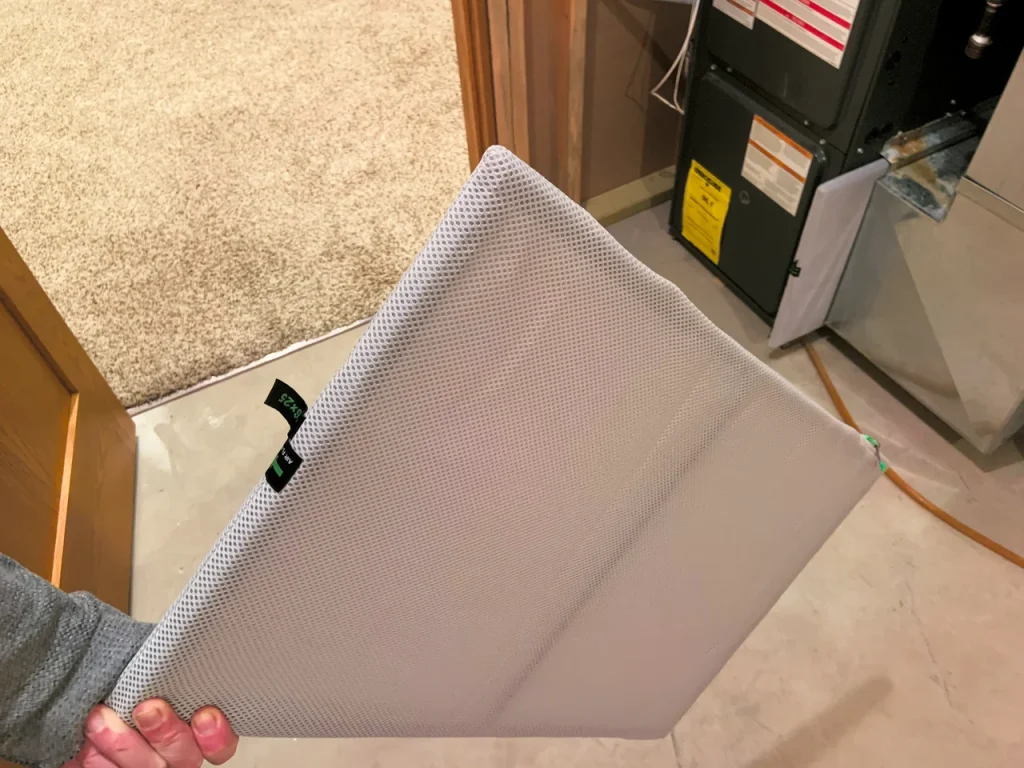
- Check the air filter. If you cannot see light through it, replace it. Our furnace filter guide explains which rating to buy.
- Open supply vents and clear return grilles. Closing too many vents or blocking returns with furniture restricts airflow and can cause overheating.
- Check the power. Make sure the furnace’s service switch (it looks like a light switch near the unit) is on and its breaker has not tripped.
- Check the gas supply. Make sure the gas valve to the furnace is open, and if you use propane, that the tank is not empty.
- Look for an error code. Many furnaces have a blinking light visible through a small window; the code chart is usually on the inside of the panel door.
- Reset once, then call. Turning the furnace off for a minute and back on can clear a safety lockout. If the cold air returns, stop resetting and call a technician.
The most common causes, explained
1. The fan is set to On
With the fan set to On, the blower runs nonstop. When the burners cycle off, it keeps pushing room-temperature air through the vents, which feels cold on your hand. Switching the fan to Auto makes it run only while the furnace is heating.
2. A clogged filter tripped the high-limit switch
A furnace needs steady airflow over its heat exchanger. When a dirty filter chokes that airflow, the furnace overheats, and a safety device called the high-limit switch shuts off the burners. The blower keeps running to cool the furnace down, so you feel cold air. Replacing the filter usually fixes it; some furnaces need a reset after.
3. A dirty flame sensor
The flame sensor confirms the burners are lit. When carbon builds up on it, the furnace thinks the flame has gone out and shuts the gas off for safety, often within seconds of lighting. Carrier lists this short-cycling pattern as a classic sign. A technician can clean or replace it quickly.
4. Ignition or pilot problems
Modern furnaces use an electronic igniter; older ones use a standing pilot light. If either fails, the burners never light. Some older pilot furnaces can be relit following the instructions on the unit; igniter failures need a professional.
5. A clogged condensate line (high-efficiency furnaces)
High-efficiency furnaces produce water as they run and drain it through a small plastic line. If the line clogs or freezes, a safety switch shuts the furnace down. Look for a small white PVC pipe and any water around the base of the unit.
6. Duct and vent problems
If the furnace makes heat but some rooms stay cold, look at airflow: closed vents, blocked return grilles or leaky ducts in an attic or crawl space. See why one room is colder than the rest.
Stop and call a pro if
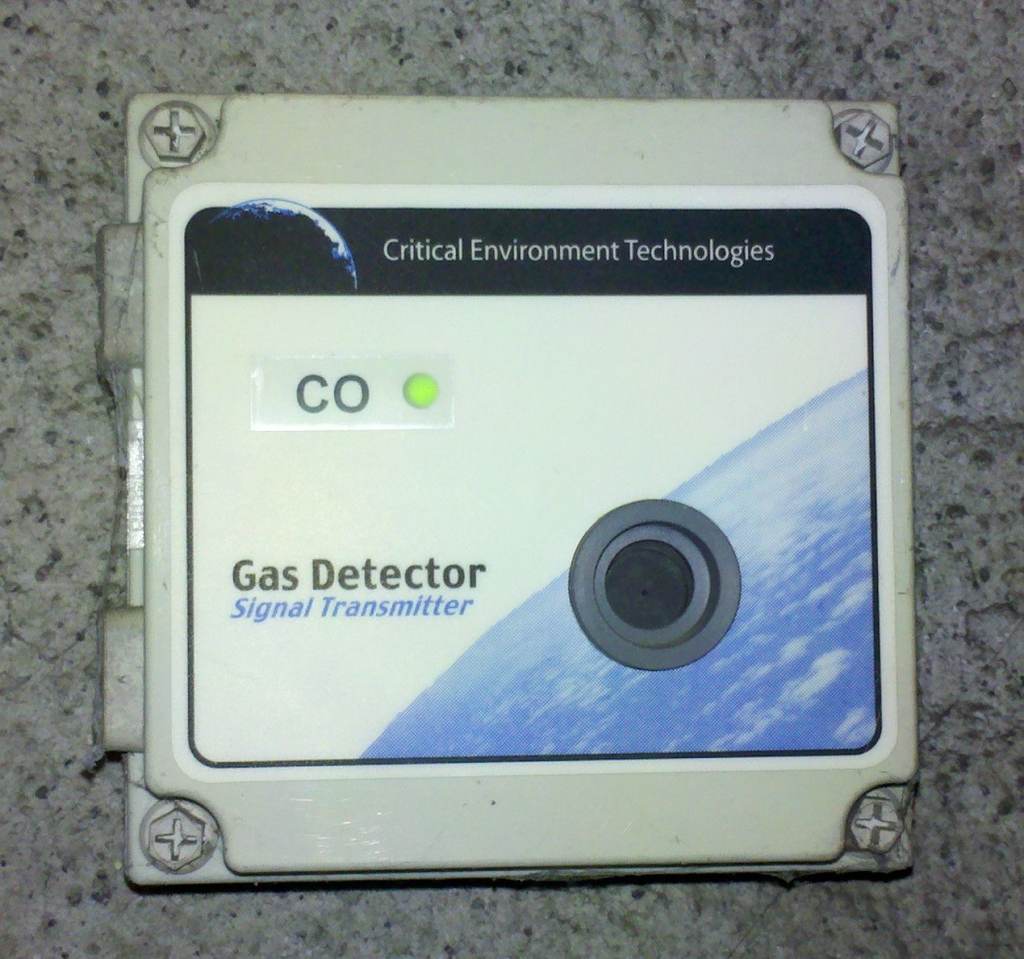
- You smell gas or a carbon monoxide alarm sounds: leave the home first, then call your gas utility or 911 from outside.
- The burners will not light or go out within seconds after one reset.
- The furnace keeps tripping its safety switch with a clean filter.
- You see scorch marks, smell burning or hear loud banging.
- The furnace is over 15 to 20 years old and failing repeatedly.
Have a heat pump? Cooler air can be normal
Heat pumps deliver warm air that is cooler than a gas furnace’s, so it can feel lukewarm at the vent even when the system is working. In cold, damp weather, a heat pump also runs short defrost cycles that can briefly send cooler air. If the house still reaches the set temperature, that is normal. Compare the two systems in our heat pump vs furnace guide.
How to prevent it next winter
- Change the filter every 1 to 3 months during heating season.
- Book a professional tune-up each fall, before the first cold snap.
- Keep vents open and returns clear of furniture.
- Test carbon monoxide alarms monthly.
- Follow the rest of our winter home checklist.
Frequently asked questions
Why is my furnace running but blowing cold air?
The most common reasons are the thermostat fan set to On instead of Auto, or a clogged filter that made the furnace overheat and trip a safety switch, shutting off the burners while the fan keeps running.
Why does my furnace blow warm air, then cold air?
That pattern usually means the furnace is overheating and the high-limit switch is shutting off the burners. Replace the filter and make sure vents and returns are open.
Can a dirty filter cause a furnace to blow cold air?
Yes. A clogged filter restricts airflow, the furnace overheats, and a safety switch shuts off the burners while the blower keeps running.
How do I reset my furnace?
Turn it off at the service switch or thermostat for about a minute, then turn it back on. If it fails again, stop resetting it and call a technician.
Is it normal for a heat pump to blow cool air?
A heat pump’s air feels cooler than a furnace’s, and it briefly blows cooler air during defrost cycles. If the house reaches the set temperature, it is usually working normally.

