

Last updated November 24, 2026. Reviewed by the HomePilot editorial team.
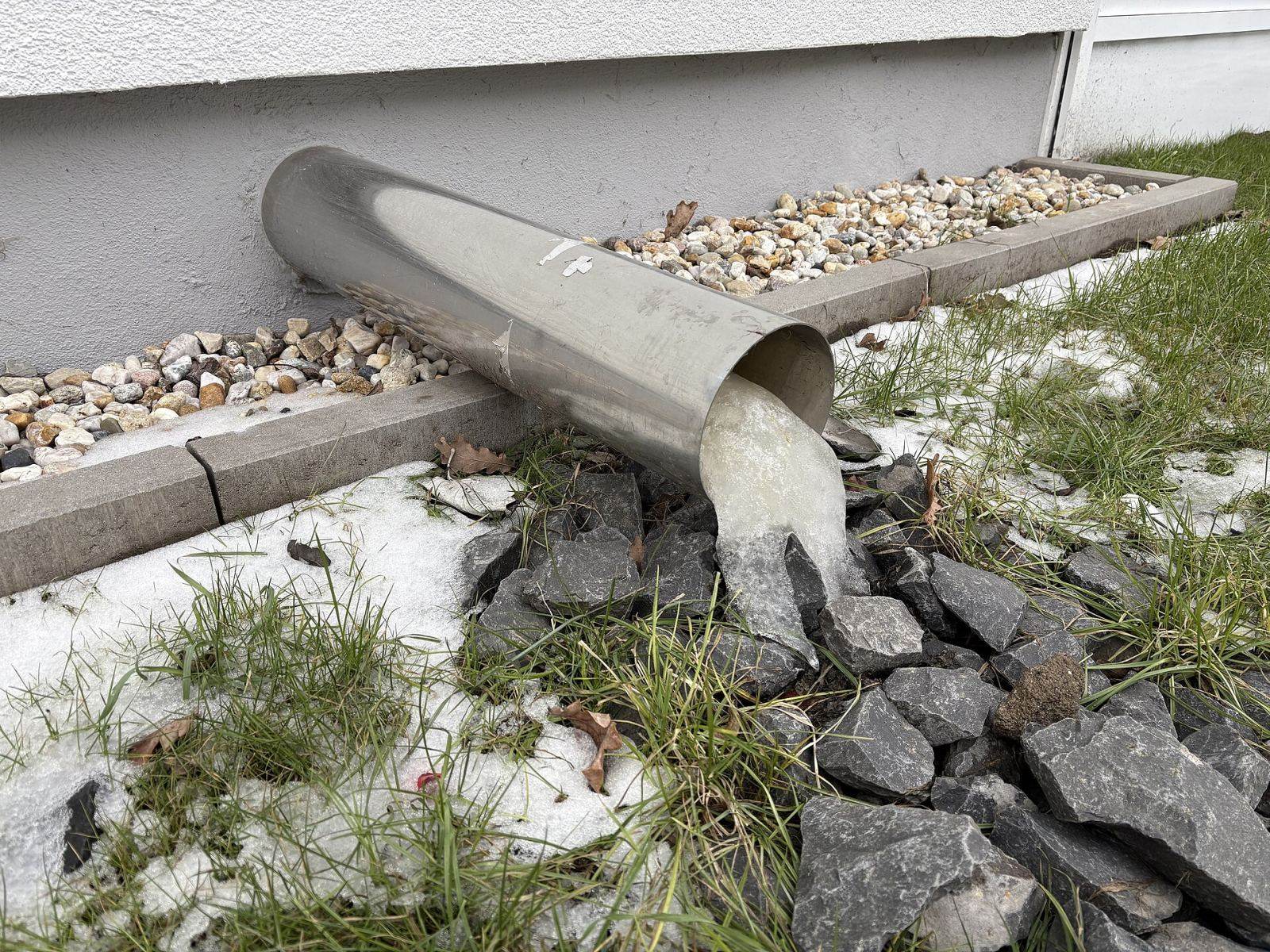
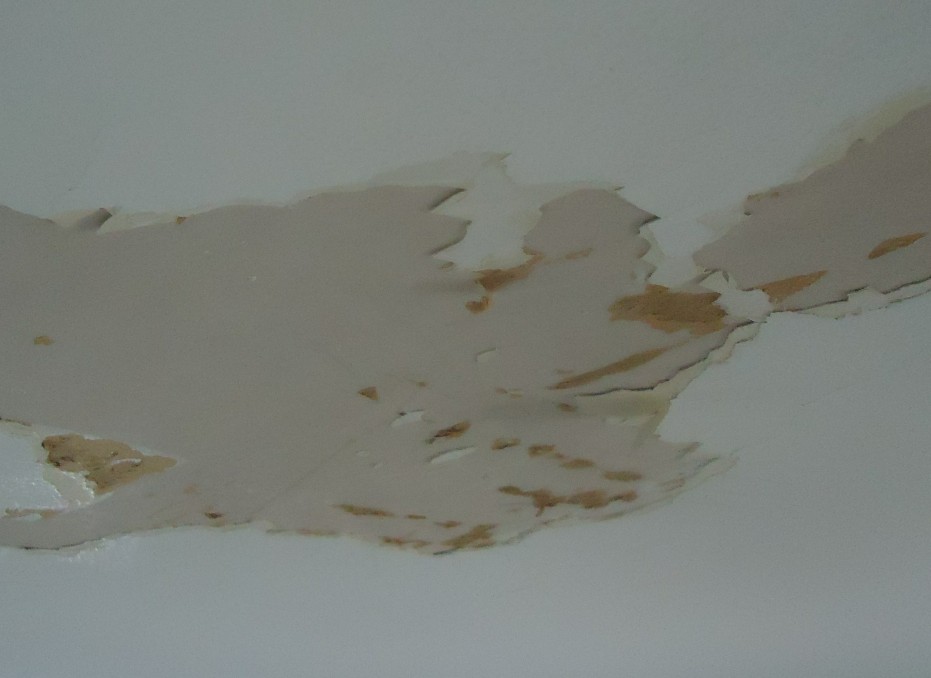
A burst pipe does not announce itself. The water inside freezes quietly overnight, the ice plug builds pressure in the pipe, and the damage often shows up only when things thaw and water starts pouring through a ceiling. State Farm says its average frozen-pipe claim from 2024 through mid-2025 was more than $30,000.
By the HomePilot Team · Updated October 31, 2026 · Checked against American Red Cross and insurer guidance · How we research
Short answer: to prevent frozen pipes, insulate pipes in unheated spaces, disconnect and drain outdoor hoses, keep the heat at 55°F or higher even when you are away, open sink cabinets on outside walls during cold snaps, and let a faucet fed by exposed pipes drip. Research from the University of Illinois found that uninsulated pipes in unheated spaces start to freeze when it falls to about 20°F outside, so that is your cue to act.
Key takeaways
- 20°F outside is the classic danger threshold for pipes in unheated spaces; wind and drafts can make it happen sooner.
- Never let the house drop below 55°F in winter, even when nobody is home.
- A slow drip from a faucet relieves pressure and keeps water moving.
- Never thaw a pipe with an open flame. Use a hair dryer, heating pad or warm towels.
- Know where your main water shutoff is before you need it.
Will your pipes freeze tonight? Check in seconds with our free frozen pipe risk checker: enter the forecast low and where your pipes run.
When do pipes freeze?
Water freezes at 32°F, but pipes inside a home are partly protected by the building. Field tests by the Building Research Council at the University of Illinois found that uninsulated pipes in an unheated attic began to freeze when the outdoor temperature fell to 20°F or below. Pipes exposed to moving cold air, through a crack in an outside wall for example, can freeze at warmer temperatures.
| Outdoor temperature | Risk to your pipes | What to do |
|---|---|---|
| Above 32°F | Low | Normal winter routine |
| 28 to 32°F | Outdoor hose bibs, sprinkler and pool lines at risk | Disconnect hoses, shut off and drain outdoor lines |
| 20 to 28°F | Pipes in garages, crawl spaces and outside walls at risk | Open cabinets, keep garage door closed, insulate exposed pipes |
| Below 20°F | High for any pipe in an unheated or drafty space | Drip faucets, keep heat steady day and night |
Homes in warmer states are often at greater risk than you might expect, because pipes there tend to run through uninsulated attics and crawl spaces. State Farm’s 2026 data put Illinois, Oregon, Washington, Texas and Tennessee at the top for total frozen-pipe claim costs.
Which pipes freeze first
- Outdoor hose bibs, swimming pool supply lines and sprinkler lines
- Pipes in unheated garages, basements, crawl spaces and attics
- Pipes along exterior walls, especially under kitchen and bathroom sinks
- The spot where the water line enters your home through the foundation
Before winter: 8 steps to prevent frozen pipes
- Disconnect, drain and store garden hoses. A hose left attached traps water in the outdoor faucet.
- Close the inside shutoff valve to each outdoor faucet, then open the outdoor tap to let it drain.
- Drain sprinkler and pool supply lines following the manufacturer’s directions.
- Insulate exposed pipes in garages, crawl spaces and attics with foam pipe sleeves. The Red Cross also lists heat tape and heat cable; use only UL-listed products and follow the instructions exactly.
- Seal drafts near pipes, such as gaps where pipes and cables go through outside walls.
- Add insulation to attics, basements and crawl spaces, which keeps the spaces around pipes warmer.
- Find your main water shutoff valve and make sure it turns. Show everyone in the house where it is.
- Check your thermostat batteries and schedule so a dead thermostat cannot leave the house unheated.
During a cold snap
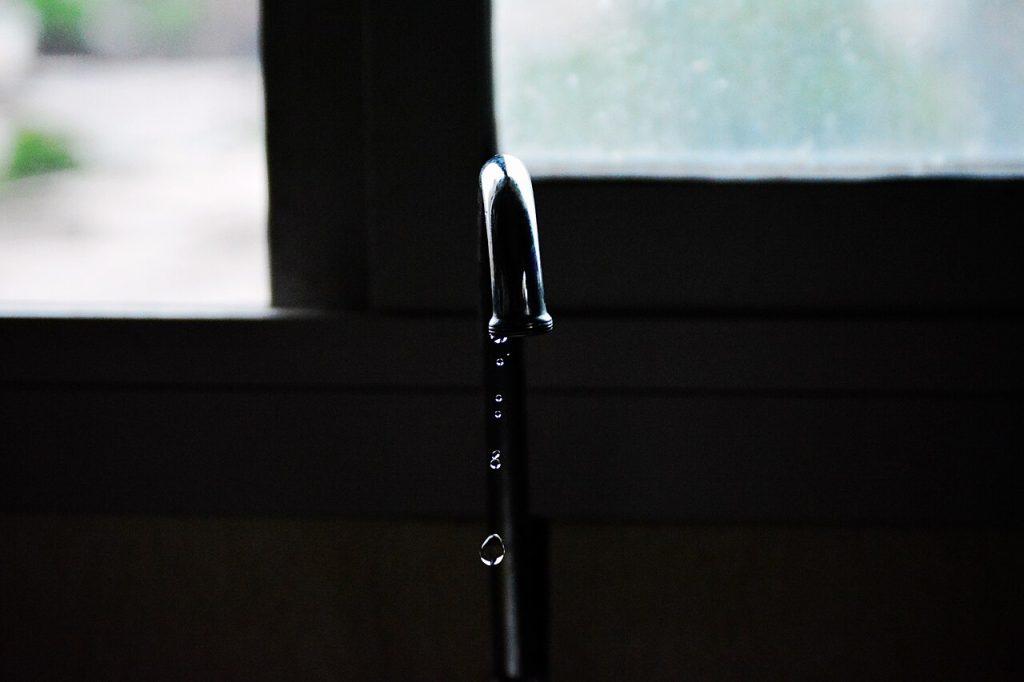
- Let it drip. Let cold water trickle from a faucet fed by exposed pipes. Moving water is much harder to freeze and a drip relieves pressure.
- Open cabinet doors under sinks on outside walls so warm room air reaches the pipes. Move cleaning products out of children’s reach.
- Keep the garage door closed if water lines run through it.
- Keep the thermostat steady day and night. The Red Cross notes that skipping the nighttime setback may raise the bill a little, but a burst pipe costs far more.
If you are going away
Leave the heat on and set it to at least 55°F. Ask someone to check the house daily if a deep freeze is forecast. For longer trips, many people also shut off the main water valve and open faucets to drain the lines. Some home insurance policies may not cover freeze damage if the heat was not kept on, so check yours.
Signs a pipe has frozen
- You turn on a faucet and only a trickle comes out, or nothing at all
- Frost on the outside of an exposed pipe
- An odd smell from a drain
- A bulge or crack in a visible pipe
How to thaw a frozen pipe safely
- Open the faucet the pipe feeds, so melting water has somewhere to go.
- Find the frozen section. Check pipes on exterior walls and where the water line enters the house.
- Apply gentle heat: an electric heating pad, a hair dryer, a space heater kept well away from anything flammable, or towels soaked in hot water.
- Keep going until full water pressure returns.
- Check every other faucet. If one pipe froze, others may have too.
- Call a licensed plumber if you cannot find or reach the frozen section or cannot thaw it.
Never use a blowtorch, propane or kerosene heater, charcoal stove or any open flame. The Red Cross warns that a blowtorch can make the water in a pipe boil and the pipe explode, and open flames are a serious fire risk.
If a pipe bursts
- Shut off the main water valve immediately.
- Turn off electricity to any area where water is near outlets or appliances, if you can do it safely.
- Open faucets to drain the remaining water from the lines.
- Call a plumber, then your insurance company. Take photos before you clean up.
- Dry everything within 24 to 48 hours to prevent mold. Our guide on musty smells and moisture covers drying out.
Gadgets that help
- Smart water leak sensors alert your phone the moment water touches the floor. See whether leak sensors are worth it.
- Automatic water shutoff valves close the main line when a leak is detected. They cannot stop a freeze, but they limit the damage.
- Freeze alerts from many leak sensors, smart thermostats and temperature sensors warn you when a room or crawl space gets too cold.
- Smart thermostats let you check that the heat is still on while you are away. See how they behave if the Wi-Fi drops.
Products mentioned in this article
- Foam pipe insulation – for exposed pipes in garages and crawl spaces
- Smart water leak sensors – alerts for leaks and low temperatures
As an Amazon Associate, HomePilot earns from qualifying purchases. Check the listing for current price and compatibility with your home.
Want an early warning before a pipe bursts? HomePilot Picks rounds up the sensors and smart home gear we have researched.
Frequently asked questions
At what temperature do pipes freeze?
Water freezes at 32°F, but University of Illinois research found that uninsulated pipes in unheated spaces typically begin to freeze when it falls to 20°F or below outside. Drafts and wind can make it happen at higher temperatures.
Should I drip my faucets at night?
Yes, during a hard freeze, let cold water drip from faucets fed by exposed pipes or pipes on outside walls. A slow trickle keeps water moving and relieves pressure.
What temperature should I leave my house at in winter when away?
At least 55°F. Lower than that risks pipes in outside walls and cabinets freezing.
Will frozen pipes thaw on their own?
Often, once temperatures rise, but slow thawing can still end with a burst pipe, and you may not know until water appears. It is safer to thaw them gently while watching for leaks.
Does homeowners insurance cover frozen pipes?
Many policies cover sudden water damage from a burst pipe, but coverage can depend on whether you kept the home reasonably heated. Check your policy before you travel.

