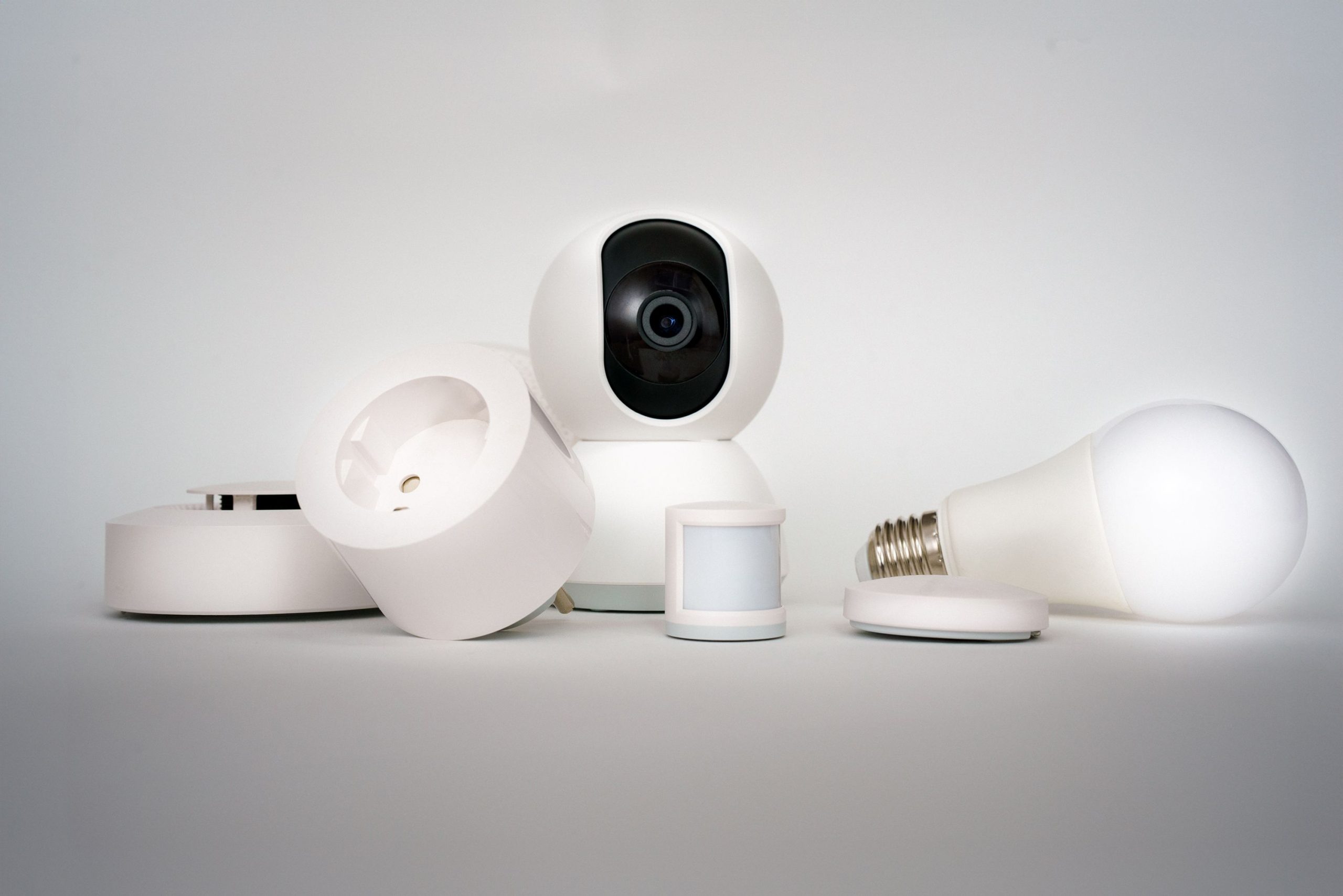
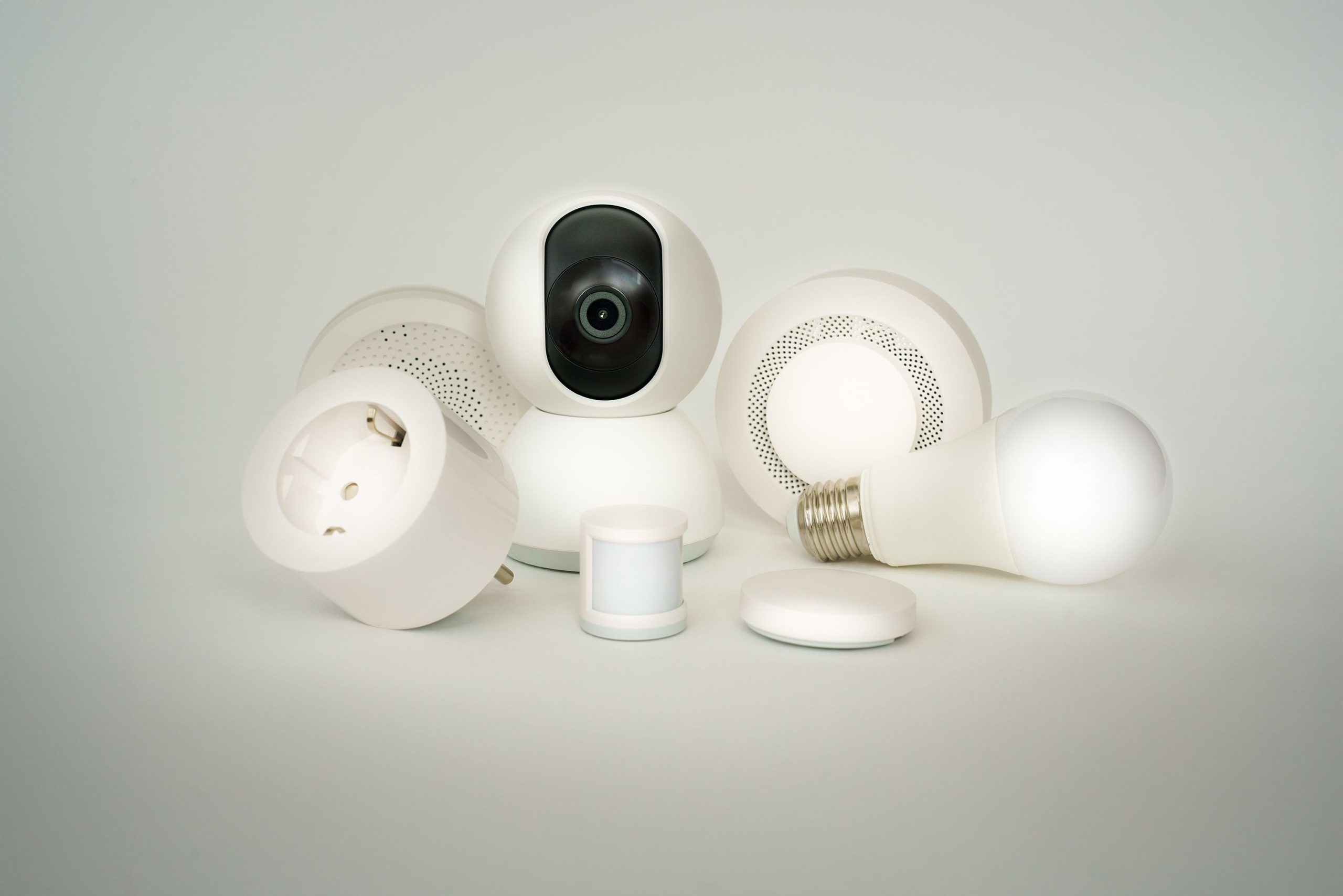

Six smart bulbs, three different apps, and a living room light that still will not turn on with the others when you say “good night.” If that sounds familiar, you did not do anything wrong exactly, you just ran into one of a handful of mistakes that trip up almost everyone starting out.
Here are the five we see most often, and how to sidestep them.
1. Buying Wi-Fi Bulbs for a Whole House
Wi-Fi bulbs are the easiest way to start, but every bulb is essentially its own tiny device on your network. Most home routers start struggling once you cross 30–40 connected devices, and it’s not just bulbs; it’s your phones, laptops, TVs, and everything else competing for the same bandwidth. The fix: for anything beyond a few rooms, use a hub-based protocol like Zigbee or Matter-over-Thread instead.
2. Skipping the C-Wire Check Before Buying a Thermostat
This is the single most common installation snag. Many older homes don’t have a C-wire (the extra wire that powers a smart thermostat continuously), and finding this out mid-install is frustrating. Check your existing thermostat’s wiring, or budget for a 2-wire compatible model, before you buy. Our Climate & Energy guide covers which models handle this best.
3. Locking Into One Brand’s App Too Early
It’s tempting to buy whatever’s cheapest first and worry about compatibility later. But mixing brands without checking Matter support often means juggling three or four separate apps just to control your own home. Check compatibility with your intended ecosystem (Apple, Google, Alexa, or Home Assistant) before buying, not after.
4. Ignoring Subscription Costs
Some video doorbells and security cameras look inexpensive up front, but lock core features, like recording history, behind a monthly subscription. Always check whether the features you actually want to use are free or paid before comparing prices.
5. Not Starting With a Hub
It’s tempting to buy devices one at a time and add a hub “later.” In practice, this usually means re-buying compatible gear once you realize your early purchases don’t talk to each other. If you’re serious about building a real smart home rather than a few disconnected gadgets, start with a hub.
New to all this? Our Start Here guide walks through the basics before you buy anything.