
Last updated November 17, 2026. Reviewed by the HomePilot editorial team.
Versus · Kitchen
Plenty of people still believe washing dishes by hand is the thrifty, eco-friendly choice and that the dishwasher is a water-guzzling luxury. For modern machines, the opposite is true. A full load in an efficient dishwasher uses a fraction of the water and energy of washing the same dishes in the sink, and it saves you hours every week. Here are the real numbers, the cases where hand washing still makes sense, and how to get the most out of either method, just in time for holiday cooking.
By the HomePilot Team · Updated November 11, 2026 · Water and energy figures from ENERGY STAR and appliance makers · How we research
The verdict
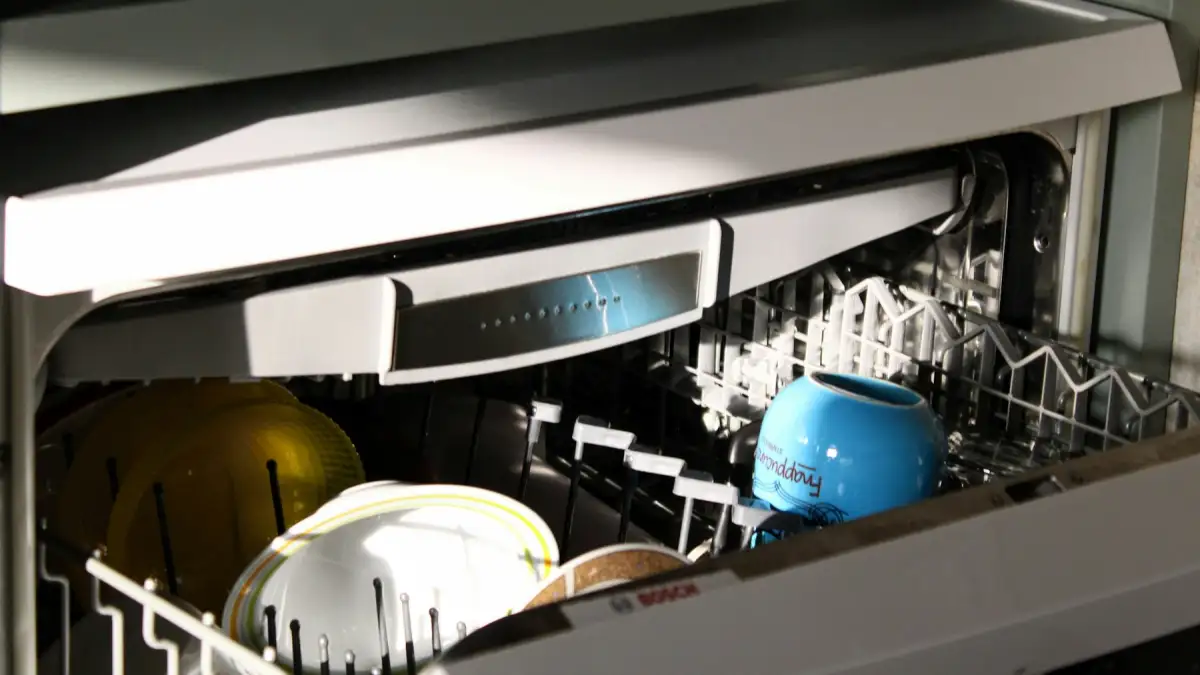
The dishwasher wins on water, energy and time. ENERGY STAR says a certified dishwasher uses less than half the energy of washing dishes by hand and saves more than 5,000 gallons of water and about 230 hours of your time a year. Washing a full load by hand can use up to 27 gallons of water; a modern dishwasher uses about 3 to 5. Hand washing still makes sense for a few items, cast iron, sharp knives, wooden tools and delicate pieces.
Dishwasher
- About 3 to 5 gallons per load, many under 3.5 for ENERGY STAR models
- Less than half the energy of hand washing (ENERGY STAR)
- Saves about 230 hours a year
- Hot water and drying sanitize well
- Best for full loads of everyday dishes
Hand washing
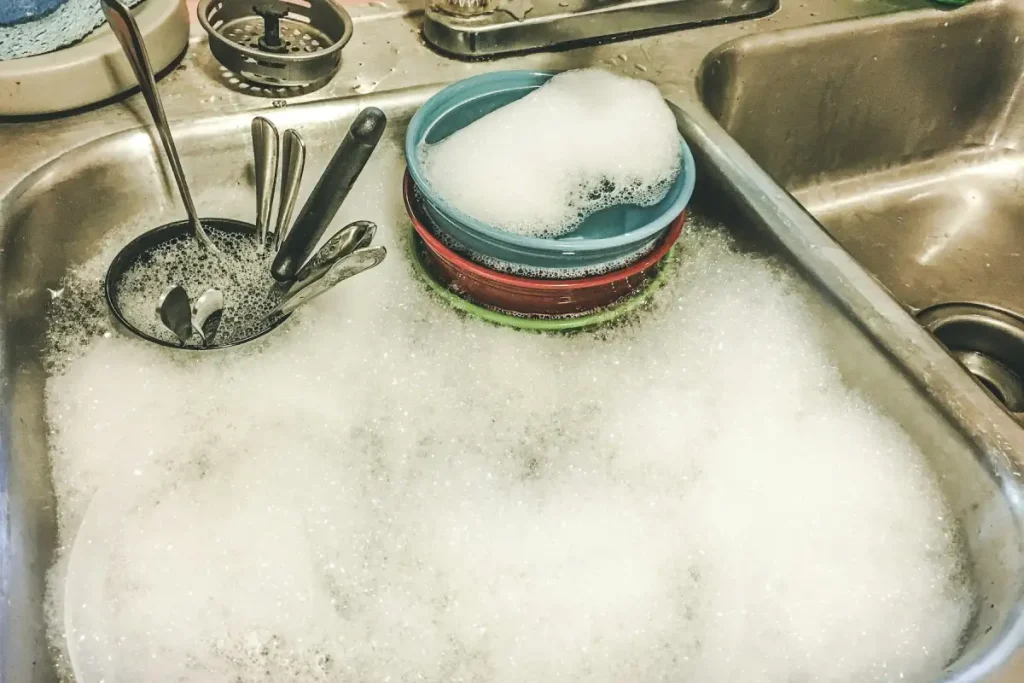
- Up to 27 gallons for a full load
- A running tap uses about 3 gallons a minute (Whirlpool)
- Uses more hot water, so more energy
- Best for a few items or delicate pieces
- Needed for cast iron, knives and wood
The numbers side by side
| ENERGY STAR dishwasher | Hand washing a full load | |
|---|---|---|
| Water per load | About 3 to 3.5 gallons or less | Up to 27 gallons |
| Yearly water | Saves 5,000+ gallons vs hand washing | Baseline |
| Energy | Less than half | Baseline |
| Utility savings | About $40 a year (ENERGY STAR estimate) | Baseline |
| Your time | Saves about 230 hours a year | Baseline |
Federal standards limit standard-size dishwashers made since 2013 to 5 gallons per cycle, and ENERGY STAR-certified models must use even less, about 3.5 gallons or under. Older dishwashers built before the mid-1990s could use more than 10 gallons a cycle, so if yours is very old, a replacement saves even more.
Why the dishwasher uses less
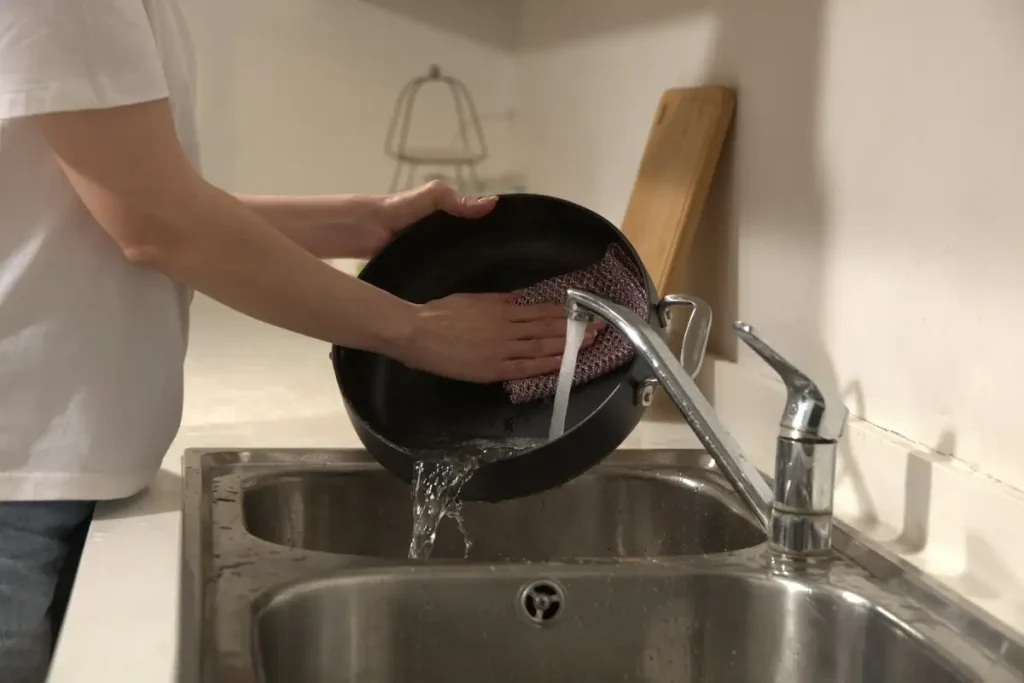
Most of the energy in dishwashing goes into heating water. A dishwasher sprays the same few gallons over every dish, filters them and recirculates them, and heats only what it needs. Hand washing usually means a hot tap running for long stretches. At around 3 gallons a minute, about nine minutes of running water uses as much as a whole dishwasher cycle three times over.
The energy math, per load
Here is a rough illustration for a home with an electric water heater, at the 2026 U.S. average of about 18.2 cents per kWh. Your numbers will vary with your water heater, rates and habits.
≈ 1.7 kWh × $0.182 ≈ $0.31 per load, plus water
ENERGY STAR dishwasher: up to 270 kWh a year ÷ about 215 loads
≈ 1.3 kWh × $0.182 ≈ $0.23 per load
The dishwasher wins on energy, and by a wider margin on water: 3 to 5 gallons against 10 to 27. With a gas water heater the energy cost of both methods is lower, but the dishwasher’s water savings remain.
When hand washing makes sense
- Just a few items: a mug and a plate do not justify a full cycle; wash them quickly or let them wait for a full load.
- Cast iron pans: the dishwasher strips their seasoning.
- Sharp kitchen knives: the dishwasher dulls blades and can damage handles.
- Wooden spoons and cutting boards: they can crack and warp.
- Delicate or hand-painted pieces, crystal and some nonstick pans: check the maker’s care label.
How to get the most from your dishwasher
- Scrape, do not rinse. ENERGY STAR advises scraping food into the trash instead of pre-rinsing; modern machines and detergents handle the rest.
- Run full loads, but do not overcrowd so water can reach every dish.
- Use the eco or normal cycle for everyday loads; save heavy cycles for baked-on pans.
- Skip heated dry and use rinse aid, or open the door at the end to air dry.
- Clean the filter regularly so the machine cleans well on the first try.
- Run it off-peak if your utility has time-of-use rates; see whether off-peak is worth it.
Bonus tip: loading matters as much as the cycle. Face dirty sides toward the spray arms, keep tall items from blocking the detergent door, and put plastics on the top rack where it is cooler.
If you wash by hand, do it efficiently
- Fill one sink or basin with hot soapy water and the other with clean rinse water, instead of letting the tap run.
- Soak pans with baked-on food first so they need less scrubbing.
- Wash in order: glasses and cutlery first, then plates, then pots.
- Rinse quickly, or rinse a batch at once rather than one dish at a time.

Is it worth buying a dishwasher?
If you already have one, use it: running it with full loads is cheaper than the sink. If you are deciding whether to install one, the bigger payoff is usually time rather than money. ENERGY STAR’s estimate of about 230 hours a year saved is roughly 40 minutes a day. On utilities alone, savings of about $40 a year take many years to cover the price of a new machine, so it makes most sense if you have a busy household or are replacing an old, inefficient model. Look for the ENERGY STAR label and compare the yellow EnergyGuide labels for yearly energy use.
Holiday dish tips
Big holiday meals mean loads of dishes. Run the dishwasher as soon as it is full rather than waiting until everything is done, scrape plates into the trash (not the disposal; see what never goes down a disposal), and hand wash only the roasting pan, knives and anything delicate. If glasses come out cloudy, see why dishwashers leave a film.
Frequently asked questions
Is it cheaper to use a dishwasher or wash by hand?
A modern dishwasher is usually cheaper. ENERGY STAR estimates a certified dishwasher saves about $40 a year in utility costs versus hand washing, plus over 5,000 gallons of water.
How much water does hand washing dishes use?
Washing a full dishwasher’s worth of dishes by hand can use up to 27 gallons, since a running tap uses about 3 gallons a minute.
How much water does a dishwasher use?
Standard dishwashers made since 2013 use no more than 5 gallons per cycle, and ENERGY STAR models use about 3.5 gallons or less.
Should I rinse dishes before putting them in the dishwasher?
No. ENERGY STAR recommends scraping food off instead of pre-rinsing; pre-rinsing wastes water.
What should not go in the dishwasher?
Cast iron, sharp kitchen knives, wooden utensils and cutting boards, and delicate or hand-painted items. Always check the care label.