

Last updated November 16, 2026. Reviewed by the HomePilot editorial team.
Fix It · Home smells
A rotten egg or sewer smell in your house is one of those problems you cannot ignore, because one possible cause is serious: a natural gas or propane leak. The good news is that most of the time, the smell has a simple, harmless source, like a drain that has dried out or a water heater reacting with your water. The key is ruling out the dangerous cause first, then tracking down the rest. Here is how to do both.
By the HomePilot Team · Updated November 11, 2026 · Based on gas utility safety guidance and plumbing troubleshooting · How we research
First: could it be a gas leak?
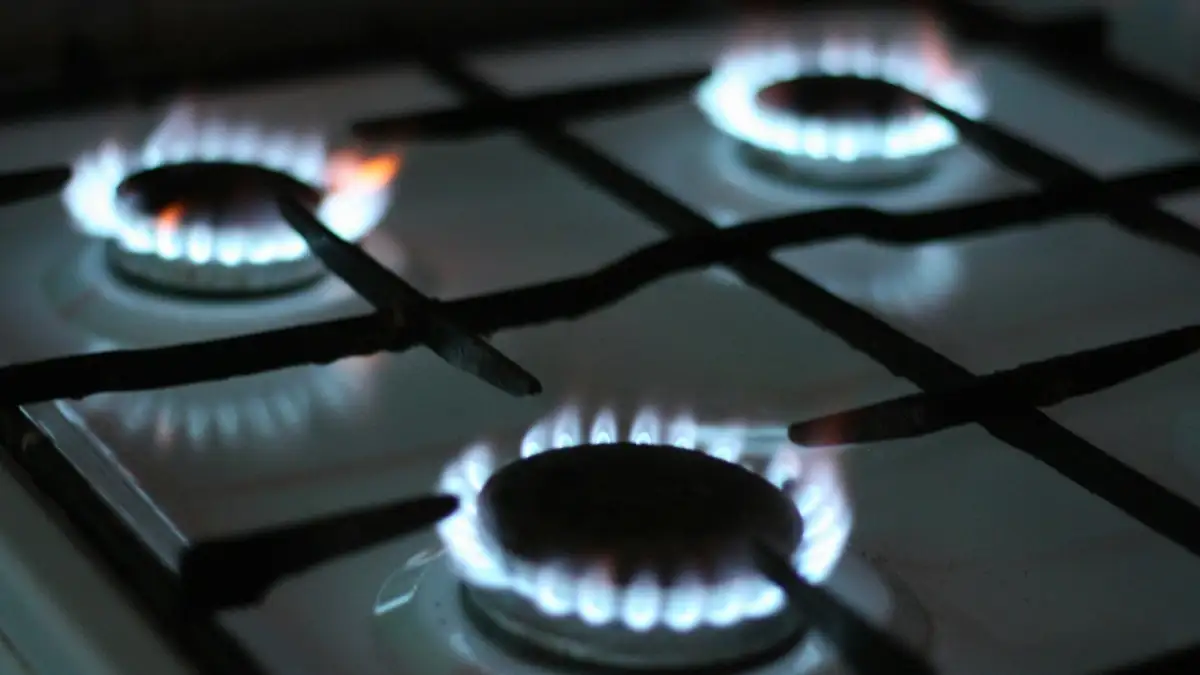
Natural gas and propane have no smell on their own. Suppliers add an odorant called mercaptan so leaks smell like rotten eggs or sulfur. If the smell is strong, spread through the house, or near the stove, furnace, water heater or dryer, treat it as a gas leak:
- Leave the house immediately and get everyone, including pets, out.
- Do not flip light switches, use phones, unplug anything or light anything inside; a spark can ignite gas.
- Leave the door open behind you if you can do so quickly.
- Call your gas utility or 911 from outside, well away from the house.
- Do not go back in until the utility says it is safe.
Quick answer (once gas is ruled out)
If the smell comes from one drain, usually a guest bathroom, laundry sink or basement floor drain that is rarely used, the water seal in its trap has likely dried out, letting sewer gas in. Run water into the drain for 15 to 30 seconds to refill the trap. If only your hot water smells like rotten eggs, the cause is usually your water heater.
Where is the smell? Start here
| Where and when you smell it | Likely cause | Urgency |
|---|---|---|
| Strong, spreading, near gas appliances | Natural gas or propane leak | Emergency: leave and call |
| Near one rarely used drain | Dry drain trap (sewer gas) | Low: run water |
| Around the base of a toilet | Failed wax ring seal | Moderate: replace the seal |
| Only when hot water runs | Water heater anode reacting with your water | Low to moderate |
| Both hot and cold water, on a well | Hydrogen sulfide in well water | Moderate: test the water |
| Throughout the house, worse in winter or after storms | Blocked plumbing vent on the roof | Moderate |
| Persistent sewage smell, slow drains | Cracked drain pipe or sewer line problem | Call a plumber |
Step-by-step: find the source
- Rule out gas first. If you have any doubt, follow the gas leak steps above and let the utility check.
- Follow your nose to a room. Note whether the smell is stronger near a drain, a toilet, the water heater or a particular wall.
- Run water in every rarely used drain: guest sinks and showers, laundry tubs and basement floor drains. Wait an hour and check again.
- Compare hot and cold water. Fill a glass from each at the kitchen sink and smell them separately.
- Check around toilets. A smell at the base, a toilet that rocks, or water on the floor points to the wax ring.
- Think about the roof. After heavy snow, ice or leaves, the plumbing vent pipe can be blocked, letting sewer gas back up into the house.
- Call a plumber if the smell persists; a camera inspection can find cracked pipes or sewer line problems.
The common causes, explained
A dry drain trap
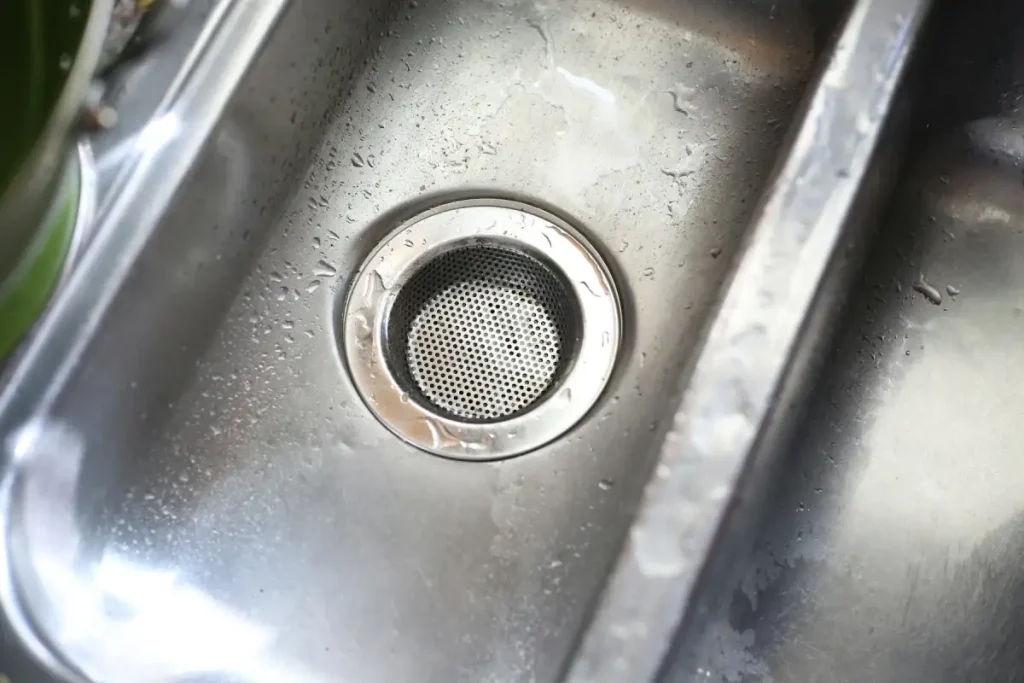
Every sink, shower, tub and floor drain has a P-trap, a U-shaped bend that holds a little water. That water forms a seal that blocks sewer gas, which smells like rotten eggs because it contains hydrogen sulfide. When a drain goes unused for weeks, the water evaporates and the seal disappears. Running water for 15 to 30 seconds refills it. Make it a habit to run water in seldom-used drains every few weeks, especially basement floor drains during dry winter months.
Your water heater
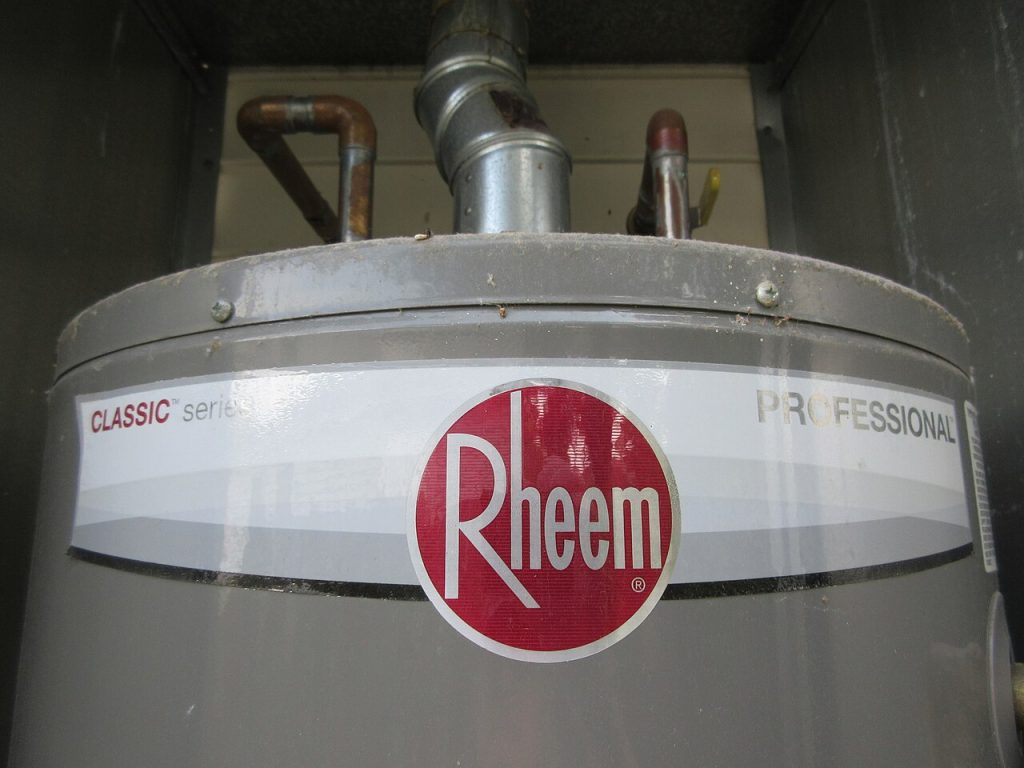
If only the hot water smells, the cause is usually inside the water heater. Bacteria in some water supplies react with the tank’s metal anode rod and produce hydrogen sulfide. Flushing the tank can help; a lasting fix is often replacing the anode rod with a different type, a job many homeowners leave to a plumber. See our guide to flushing a water heater.
A failed toilet wax ring
A wax ring seals the joint between the toilet and the drain pipe in the floor. If it fails, sewer gas can escape around the base, and you may notice a toilet that rocks or water stains on the floor. Replacing the wax ring means removing the toilet, a manageable DIY job or a quick plumber visit.
A blocked plumbing vent
Your drain system has a vent pipe through the roof that lets sewer gas escape outside and lets drains flow properly. Snow, ice, leaves or a bird nest can block it. Signs include gurgling drains, slow draining and a sewer smell in several rooms. Clearing a roof vent means working at height, so in winter conditions, call a professional rather than climbing onto an icy roof.
Well water
If both hot and cold water smell of sulfur and you are on a private well, the water itself may contain hydrogen sulfide. Have your water tested; filtration or treatment systems can remove it.

Prevent it from coming back
- Run water in unused drains every few weeks, and before guests arrive.
- Keep drains clear and flush them with hot water regularly.
- Have gas appliances serviced each year, and know where your gas shutoff is.
- Consider an explosive gas detector near gas appliances, in addition to carbon monoxide alarms; see alarm placement.
- After big snowstorms, look up at the roof to check that vent pipes are not buried.
Shop natural gas detectors on Amazon → (As an Amazon Associate, HomePilot earns from qualifying purchases.)
Frequently asked questions
Why does my house smell like rotten eggs?
The most urgent possible cause is a natural gas or propane leak, since suppliers add a rotten-egg odorant to gas. Common harmless causes include a dry drain trap letting in sewer gas and a water heater reacting with your water.
What should I do if I smell gas?
Leave the house right away, avoid switches, phones or flames inside, and call your gas utility or 911 from outside. Do not go back in until it is declared safe.
Why does one bathroom smell like sewage?
Usually because a drain in it has not been used and its trap has dried out. Run water in every drain in the room for 15 to 30 seconds. If the smell is around the toilet base, the wax ring may have failed.
Why does only my hot water smell like rotten eggs?
Usually because of a reaction between bacteria in the water and the water heater’s anode rod. Flushing the tank or replacing the anode rod typically fixes it.
Can sewer gas make you sick?
Low levels are mainly unpleasant, but strong or persistent sewer gas should be fixed promptly. If anyone feels unwell, ventilate the home and get the source checked.

