
Last updated November 4, 2026. Reviewed by the HomePilot editorial team.
By the Numbers · Smart home
Smart speakers that are always listening. Plugs, bulbs and cameras that never truly switch off. If you have been adding smart gadgets one at a time, it is fair to wonder whether all those little lights and standby modes are quietly adding up on your electric bill, and whether they cancel out any savings the smart home promised.
By the HomePilot Team · Updated November 3, 2026 · Standby figures from NRDC lab testing; costs at the 2026 U.S. average rate · How we research
Under 2 W
Standby draw of most smart speakers in NRDC tests
~$1.60
Yearly cost of each watt that runs around the clock
~20 W
TV standby when set to wake from a smart speaker
The short answer
Most smart home devices use very little electricity. In tests for the Natural Resources Defense Council (NRDC), popular smart speakers drew under 2 watts on standby, roughly $2 to $3 a year each. A typical smart home’s gadgets add up to tens of dollars a year, not hundreds. Used well, a smart thermostat and a few smart plugs usually save more than that. The real energy trap is less obvious: letting a smart speaker wake your TV can push the TV’s standby power from under 1 watt to about 20 watts.
The math: what one watt costs
Smart devices are almost always on, so the useful number is what one watt costs over a full year:
8.76 kWh × $0.182 per kWh = about $1.59 per year
The rate is the EIA’s 2026 U.S. average of about 18.2 cents per kWh. Multiply by your device’s wattage, and by your own rate if it is different.
How much power smart devices use
| Device | Typical standby or idle draw | Yearly cost if always on |
|---|---|---|
| Google Home Mini (NRDC test) | 1.4 W | About $2.20 |
| Amazon Echo, 2nd gen (NRDC test) | 1.6 W | About $2.50 |
| Apple HomePod (NRDC test) | 1.9 W | About $3 |
| Amazon Echo Dot (The Ambient test) | 1.7 to 3 W | About $2.70 to $4.80 |
| Smart plug, idle | Often around 1 W or less; check the spec sheet | About $1 to $2 |
| Indoor security camera | A few watts, running continuously | Several dollars; check the spec sheet |
| TV set to wake from a smart speaker (NRDC test) | About 19 to 23 W standby | About $30 to $37 |
Figures for plugs and cameras vary a lot by model, so treat those rows as ranges and check your device’s specifications. For the full breakdown on plugs, see do smart plugs use electricity when off.
A worked example: a typical smart home
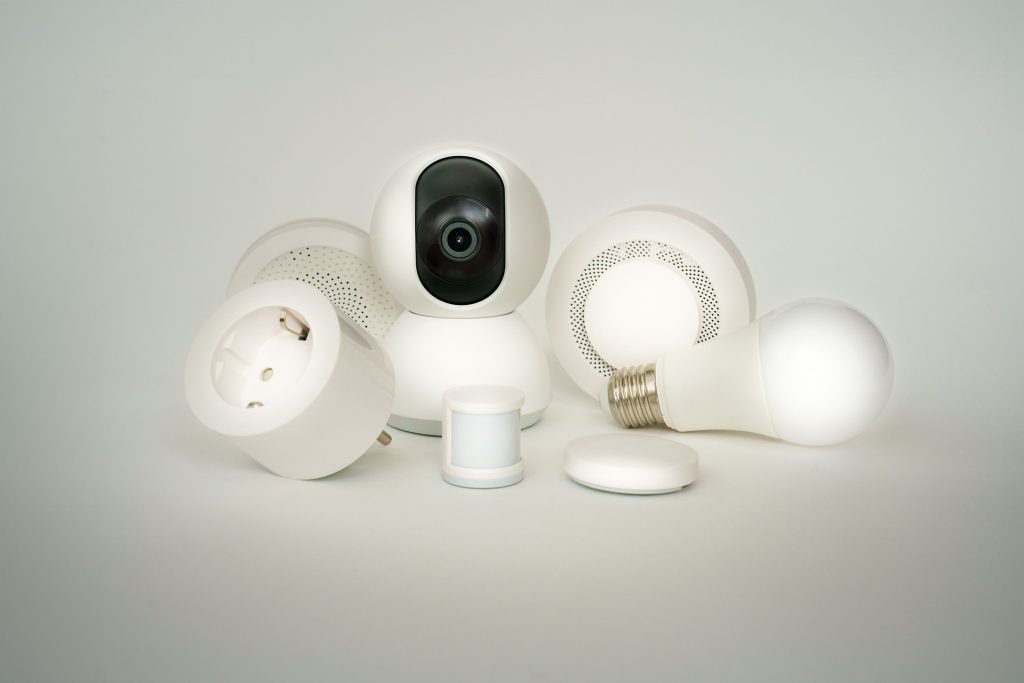
Here is an illustrative home with a modest smart setup. The wattages are assumptions based on the ranges above; your devices will differ.
| Devices | Assumed draw | Yearly cost |
|---|---|---|
| 3 smart speakers | 2 W each = 6 W | About $9.50 |
| 8 smart plugs | 1 W each = 8 W | About $12.70 |
| 2 indoor cameras | 4 W each = 8 W | About $12.70 |
| 1 hub | 2 W | About $3.20 |
| Total | 24 W | About $38 a year |
~$38/yr
What the gadgets above cost to keep running
~$72/yr
What a smart thermostat saves on a $900 heating and cooling bill at 8%
~$30/yr
Extra cost of a TV left in voice-wake standby
Where a smart home saves energy
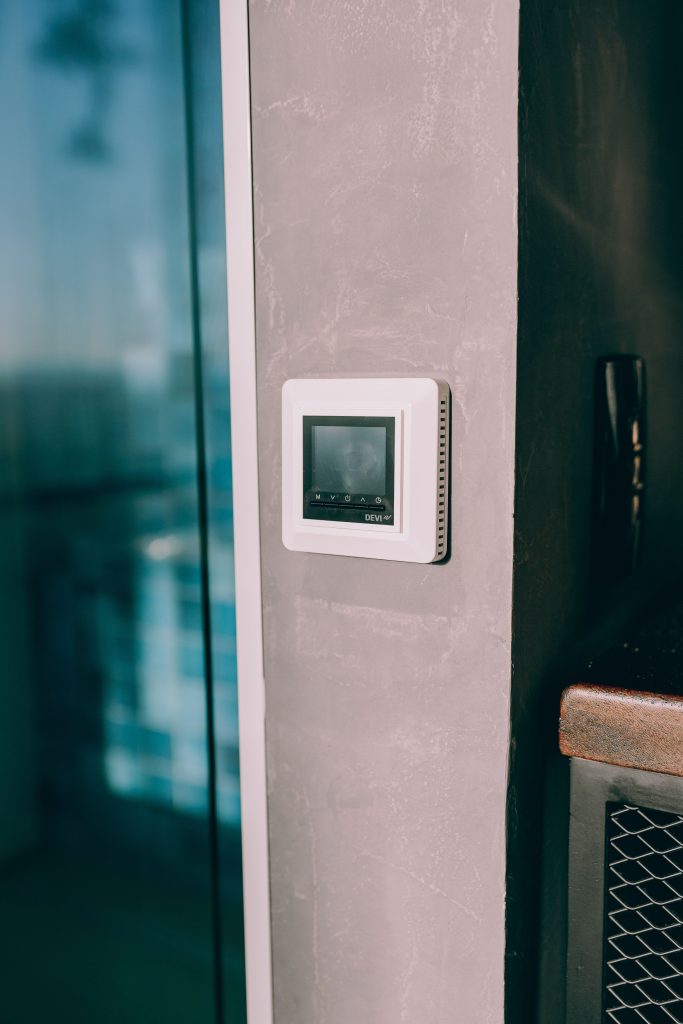
- Smart thermostats. ENERGY STAR reports average savings of about 8 percent on heating and cooling for certified smart thermostats. On a home spending $900 a year on heating and cooling, that is about $72 a year, more than the whole gadget list above. Try the Smart Thermostat Savings Calculator.
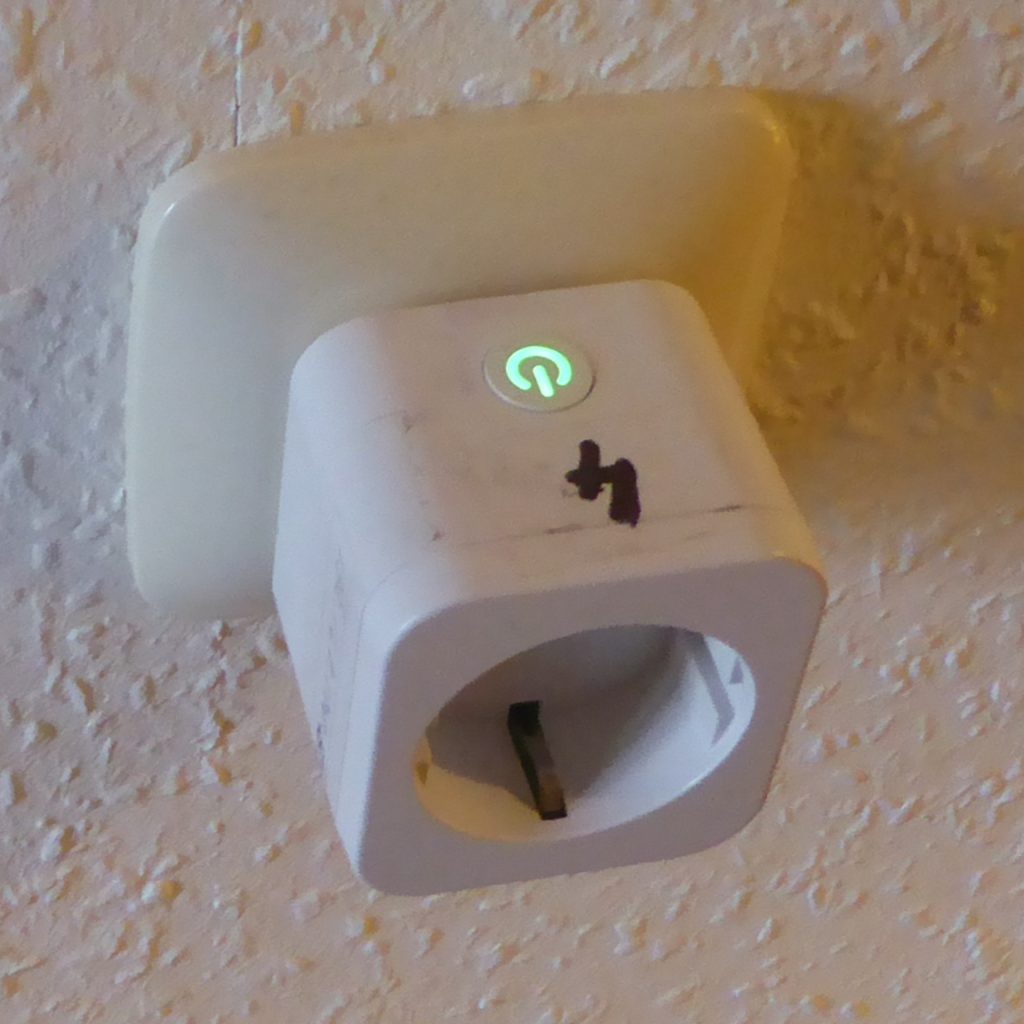
- Smart plugs on standby hogs. A plug that cuts power to a TV, game console and sound bar overnight can save more than it uses.
- Schedules and sensors for lighting, so lights are not left on in empty rooms.
- Energy-monitoring plugs that show exactly which device is costing you money.
Where a smart home wastes energy
- Voice-wake for the TV. NRDC found some TVs jumped from under 1 watt to about 19 to 23 watts of standby when set to turn on from a smart speaker. Unless you use it daily, switch that feature off in the TV settings.
- Smart plugs on devices that already use almost nothing, such as a lamp that is already off. The plug’s own standby can exceed the savings.
- Duplicate hubs and speakers in rooms where nobody uses them.
- Cameras recording 24/7 with spotlights or heaters running more than needed.
Which smart devices use the most power?
Not all smart gadgets are equal. A few categories draw noticeably more than a speaker or a plug, so they are worth checking first:
- Smart displays. Devices with a screen, such as an Echo Show or Nest Hub, generally draw more than screenless speakers, especially if the screen stays on all day as a photo frame. Turning on screen-off or ambient-sleep modes at night helps.
- Outdoor cameras with spotlights or heaters. Floodlight cameras and models with built-in heaters for cold climates use far more than an indoor camera.
- Robot vacuum docks. Self-emptying and self-washing docks use bursts of power for drying and emptying; most of the time they sit at a low standby.
- Older smart TVs and streaming boxes with “quick start” or “instant on” modes, which keep more of the electronics awake.
- Network gear. Your router and modem run all day too; see what a router costs to run.
Simple ways to keep standby low
- Turn off TV voice-wake and quick-start modes you do not use.
- Set smart displays to turn their screens off at night.
- Put entertainment systems on a smart plug or power strip that cuts power overnight.
- Remove old hubs, bridges and speakers you replaced but never unplugged.
- Choose ENERGY STAR or low-standby devices when you buy new.
How to measure your own devices
- Use a plug-in energy meter or an energy-monitoring smart plug on each device for a day.
- Note the watts at idle and in use.
- Plug the numbers into our Appliance Running Cost Calculator with your own electricity rate.
- Unplug or reschedule anything that costs more than it is worth to you.
Want to see the yearly cost of every device you own? Our free calculator uses your own electricity rate.
Frequently asked questions
Do smart home devices use a lot of electricity?
No. Most use very little. NRDC testing found popular smart speakers drew under 2 watts on standby, about $2 to $3 a year each at today’s average rates.
How much electricity does an Alexa or Google speaker use?
In NRDC tests, the Echo (2nd gen) used 1.6 watts and the Google Home Mini 1.4 watts on standby. Independent tests have measured the Echo Dot at about 1.7 to 3 watts.
Does a smart home save money on energy?
It can. A smart thermostat schedule usually saves far more than the gadgets cost to run, and smart plugs can cut standby power to TVs and consoles.
Why did my TV start using more power?
If it is set to turn on from a smart speaker, it may stay in a higher-power standby mode. NRDC measured about 19 to 23 watts in some TVs. Turning off that wake feature brings it back down.
Should I unplug smart devices to save money?
Usually not worth it for speakers and hubs, which use a few dollars a year. Focus on bigger savings: thermostat schedules, standby hogs like entertainment systems, and old appliances.