


Last updated November 24, 2026. Reviewed by the HomePilot editorial team.
Fix It · Energy bills
You open the electric bill expecting the usual number and it is noticeably higher. Nothing feels different. You did not buy a hot tub, nobody moved in, and you still turn off the lights. So where did the money go? A higher bill always comes down to one of two things: you used more electricity, or each unit of electricity cost more. The trick is figuring out which, and that takes about 20 minutes.
By the HomePilot Team · Updated November 2, 2026 · Checked against U.S. Energy Information Administration data · How we research
Quick fix
Put this bill next to the same month last year and compare two numbers: kWh used and price per kWh. If kWh went up, something in your home is using more power, usually heating or cooling, a failing appliance or a new device. If the price per kWh went up, your utility’s rates or fees changed. Rates are rising nationally: the EIA expects the average U.S. home to pay about 18.2 cents per kWh in 2026, nearly 5 percent more than in 2025.
Want to see where your own bill goes? Try our free electric bill breakdown calculator: tick your appliances and see what each one costs a month.
Step 1: Is it the price or the usage?
Your bill shows how many kilowatt-hours (kWh) you used and what you paid. Divide the electricity charges by the kWh to get your real price per kWh, including delivery fees. Then do the same for the same month a year ago. Comparing the same month matters, because heating and cooling make winter and summer bills naturally higher than spring and fall.
| What changed | What it means | Where to look next |
|---|---|---|
| kWh up, price about the same | You are using more electricity | The steps below: season, appliances, new devices |
| kWh about the same, price up | Your rate, fees or taxes rose | Your utility’s rate notice; consider time-of-use plans |
| Both up | A mix of both | Fix the usage side first; it is the part you control |
| More days on this bill | A longer billing period | Compare the cost per day, not per bill |
| Bill marked “estimated” | The meter was not read | The next real reading may correct it; call if it seems wrong |
Rates really have climbed. EIA data show the U.S. average residential price was about 18.3 cents per kWh in mid-2026, roughly 5 percent above a year earlier, and some states rose much faster. If your kWh barely moved, your home is probably fine and the higher bill is mostly the rate.
Step 2: Find the cause, one check at a time
- Check the season. Heating and cooling are usually the biggest part of a home’s energy use. A cold snap or heat wave alone can push a bill up sharply, especially with electric heat.
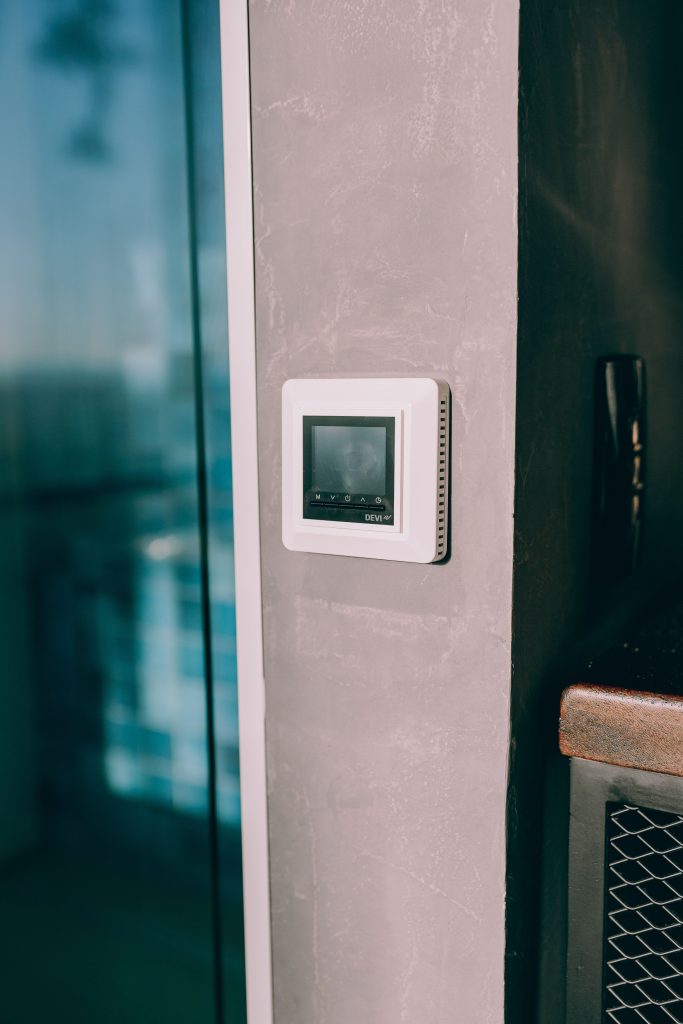
- Check the thermostat. Was the schedule changed, a hold left on, or the temperature nudged up? A few degrees running all month adds up.
- Check for a heat pump on backup heat. In very cold weather, heat pumps switch on electric resistance backup heat, which uses far more power. If the display says “aux” or “emergency heat” often, that is your answer.
- Look for new devices. A space heater, an electric car, a hot tub, a second fridge in the garage or a new gaming PC can each add a noticeable amount every month.
- Listen to the fridge and freezer. A failing seal or dirty coils make them run constantly. See refrigerator mistakes that cost you money.
- Check the water heater. A leak, a worn heating element or a dripping hot tap makes an electric water heater work overtime.
- Read the meter yourself. Turn off everything you can, then watch the meter for a few minutes. If it still spins or counts up quickly, something is drawing power constantly.
The most common hidden culprits
Space heaters
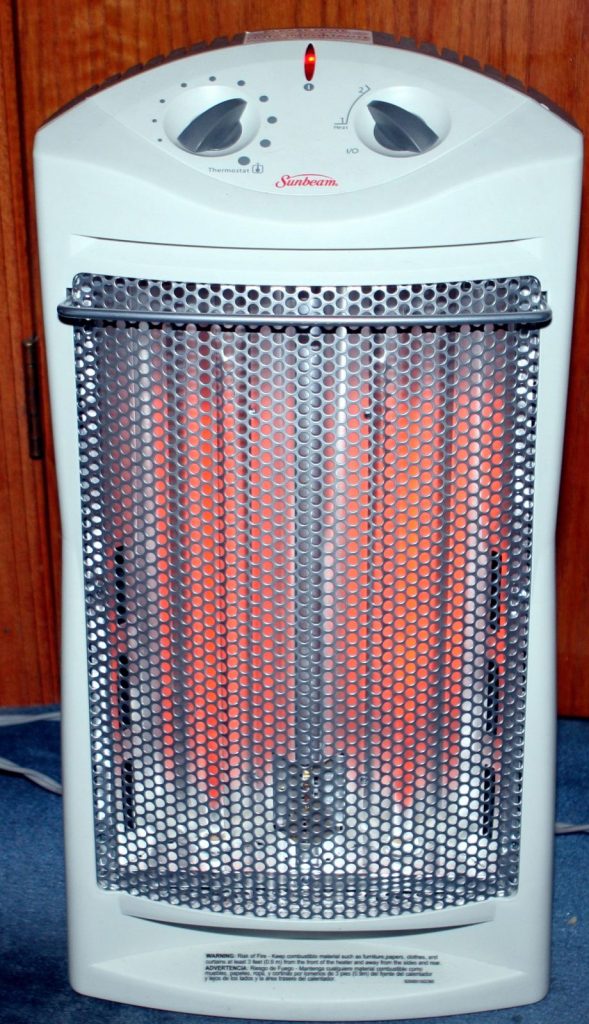
A typical space heater draws 1,500 watts. Running one for 8 hours a night uses 12 kWh, about $2.20 a night at the national average rate, or roughly $66 a month. It is the single most common reason for a surprise winter bill. See what a space heater costs per night.
An old second fridge or freezer
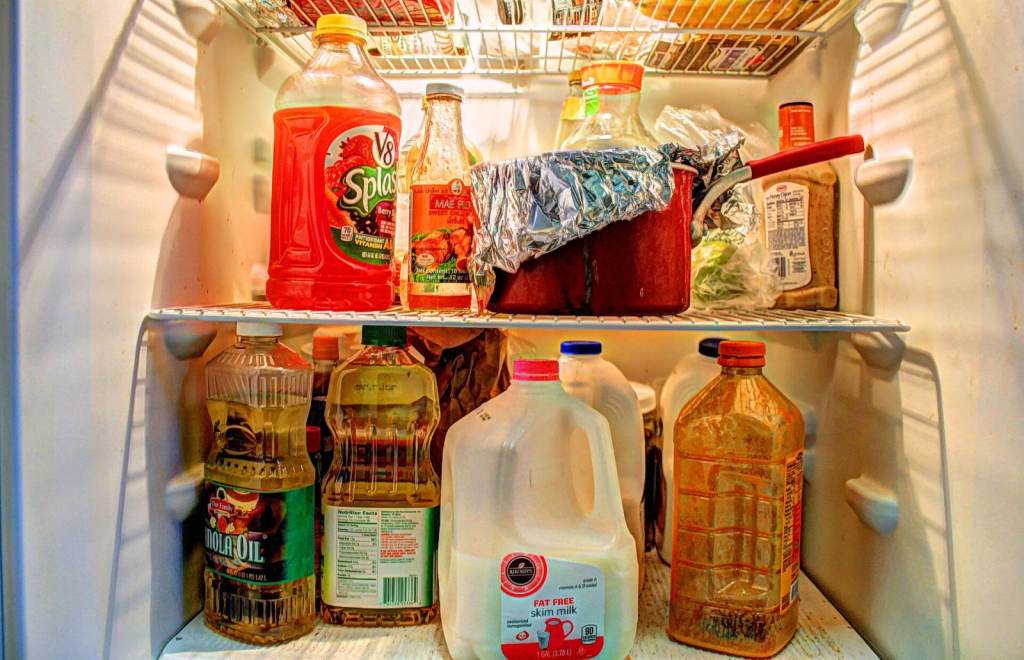
An older garage fridge can cost well over $100 a year to run, more in a hot garage. If it mostly holds drinks, unplugging it is the easiest saving in the house.
Electric water heating
Water heating is one of the largest energy costs in a typical home, according to the Department of Energy. A leak, a stuck relief valve or a thermostat set too high quietly adds cost. Most homes do fine at about 120°F.
Always-on devices
Game consoles in rest mode, cable boxes and old electronics draw power day and night. A device using 10 watts all the time costs about $16 a year; a houseful of them adds up. See our guide to standby power.
Put a dollar figure on each suspect
Once you have a list of suspects, find the wattage on each label and run it through our Appliance Running Cost Calculator, or try which appliance is spiking your bill. For heating, the Heating Cost Calculator compares space heaters, heat pumps and gas. For a full walk-through, follow our 15-minute DIY home energy audit.
When to call your utility or an electrician
- Your usage jumped sharply and you cannot find any reason after these checks.
- The bill was estimated several months in a row.
- The meter keeps counting quickly with everything switched off.
- You notice warm outlets, a burning smell or flickering lights. That is a safety issue; call an electrician.
Many utilities will check a meter or send a usage breakdown if you ask, and some offer free home energy audits.
How to bring the bill back down
- Set a thermostat schedule: the Department of Energy says turning it back 7 to 10°F for 8 hours a day can save up to 10 percent a year on heating and cooling.
- Unplug or retire the second fridge.
- Seal drafts and use an electric blanket instead of a space heater on cold nights.
- Ask your utility about time-of-use or budget billing plans.
- Read how to lower your winter electric bill for more.
Want to see exactly where your money goes? Our free calculators turn each appliance into a monthly dollar figure using your own rate.
Frequently asked questions
Why is my electric bill so high all of a sudden?
Usually because of heating or cooling during extreme weather, a rate increase, a longer billing period, or a device running more than it should, such as a space heater, an old fridge or a heat pump on backup heat.
How do I know if my electricity rate went up?
Divide the electricity charges on your bill by the kWh used to get your price per kWh, then compare it with the same month last year.
What uses the most electricity in a house?
Heating and cooling usually use the most, followed by water heating. Among plug-in devices, space heaters, old refrigerators and freezers, and dryers are common big users.
Can a bad meter cause a high bill?
It is uncommon, but it happens, and estimated readings can also cause swings. If usage looks wrong after you have checked your home, ask your utility to verify the meter.
Are electricity prices going up in 2026?
Yes. The EIA expects the average U.S. residential price to be about 18.2 cents per kWh in 2026, nearly 5 percent higher than in 2025.

