

Last updated November 24, 2026. Reviewed by the HomePilot editorial team.
Every winter has one night that tests your house: the first hard freeze, the first ice storm, the first time the furnace runs all night. The homes that sail through it are rarely luckier. Someone simply spent a Saturday in the fall working through a list like this one.
By the HomePilot Team · Updated October 31, 2026 · Checked against Department of Energy, Red Cross and NFPA guidance · How we research
Short answer: before the first freeze, service your heating system and change the filter, test smoke and carbon monoxide alarms, disconnect outdoor hoses and insulate exposed pipes, clean gutters, seal drafts, switch ceiling fans to clockwise, and set a thermostat schedule around 68°F. Then put together a small outage kit. Most of this winter home checklist takes a weekend and very little money.
The quick version
- Heating: tune-up, new filter, thermostat schedule
- Plumbing: hoses off, outdoor taps drained, pipes insulated, main shutoff found
- Outside: gutters cleaned, downspouts extended, drafts sealed
- Safety: smoke and CO alarms tested, space heaters checked, chimney inspected
- Prep: flashlights, batteries, phone power banks, ice melt and a shovel
Heating system
- Book a furnace or heat pump tune-up before the first cold week, when technicians are busiest.
- Replace the furnace filter and set a reminder to check it monthly in winter. Not sure which one? See what MERV rating to use.
- Clear the vents and returns. Move furniture and rugs off registers so air flows freely.
- Set a thermostat schedule. The Department of Energy suggests about 68°F while you are awake at home and turning it back 7 to 10°F for 8 hours a day, which can save up to 10 percent a year on heating and cooling.
- Bleed radiators if you have hot-water heat, so trapped air does not leave rooms cold.
If one room is always cold no matter what, our guide to why one room is colder than the rest walks through the fixes.
Plumbing
- Disconnect, drain and store garden hoses.
- Shut off and drain outdoor faucets from the inside valve, plus sprinkler and pool lines.
- Insulate exposed pipes in the garage, crawl space and attic with foam sleeves.
- Find your main water shutoff and make sure everyone in the house knows where it is.
- Flush the water heater if it pops or rumbles. See why sediment causes popping.
Uninsulated pipes in unheated spaces can start freezing around 20°F outside. Our full guide on how to prevent frozen pipes covers cold snaps, trips away and thawing.
Outside the house
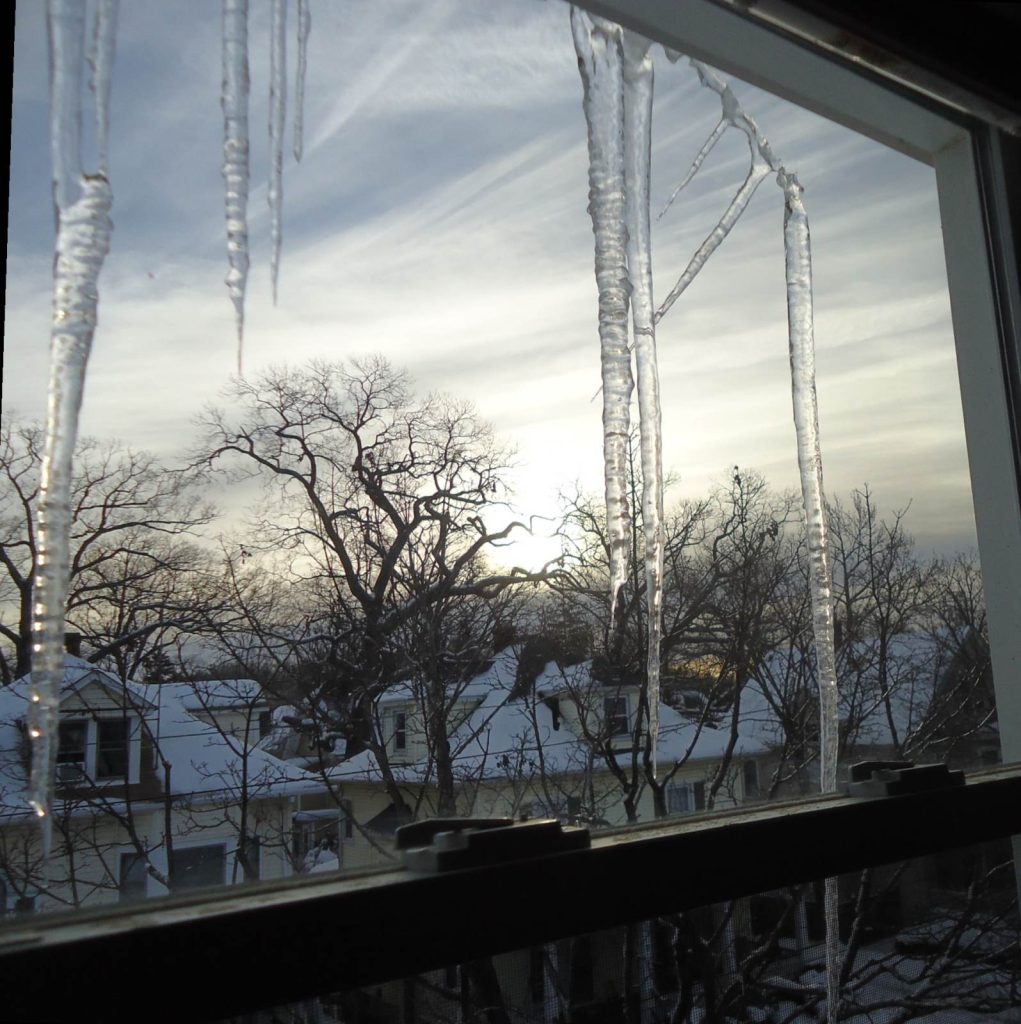
- Clean the gutters after the leaves fall. Clogged gutters overflow and help ice dams form at the roof edge.
- Extend downspouts so meltwater lands several feet away from the foundation.
- Walk the roof line from the ground and look for missing shingles or lifted flashing.
- Trim branches that hang over the roof or power lines; ice makes them heavy.
- Store patio furniture and grills, and shut off and cover any outdoor kitchen water lines.
Drafts and insulation
- Weatherstrip doors and add a door sweep if you can see daylight underneath.
- Caulk gaps around window frames and where pipes and cables enter the house.
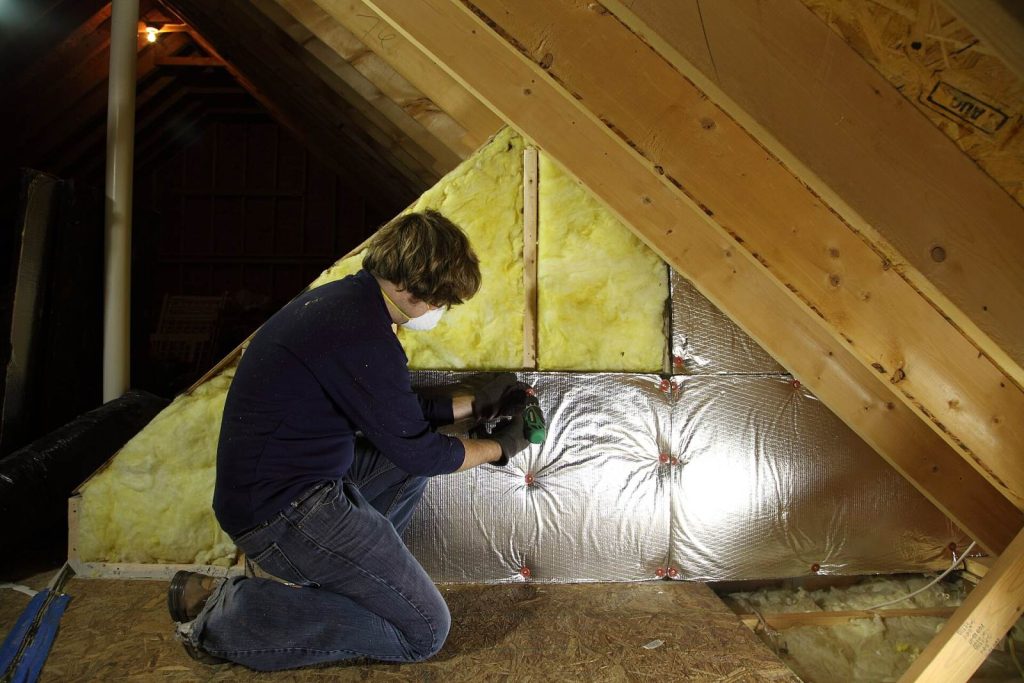
- Check attic insulation. If you can see the tops of the floor joists, there probably is not enough.
- Close the fireplace damper when the fireplace is not in use; an open damper is like an open window.
- Add cellular shades or window film on single-pane or drafty windows.
Safety
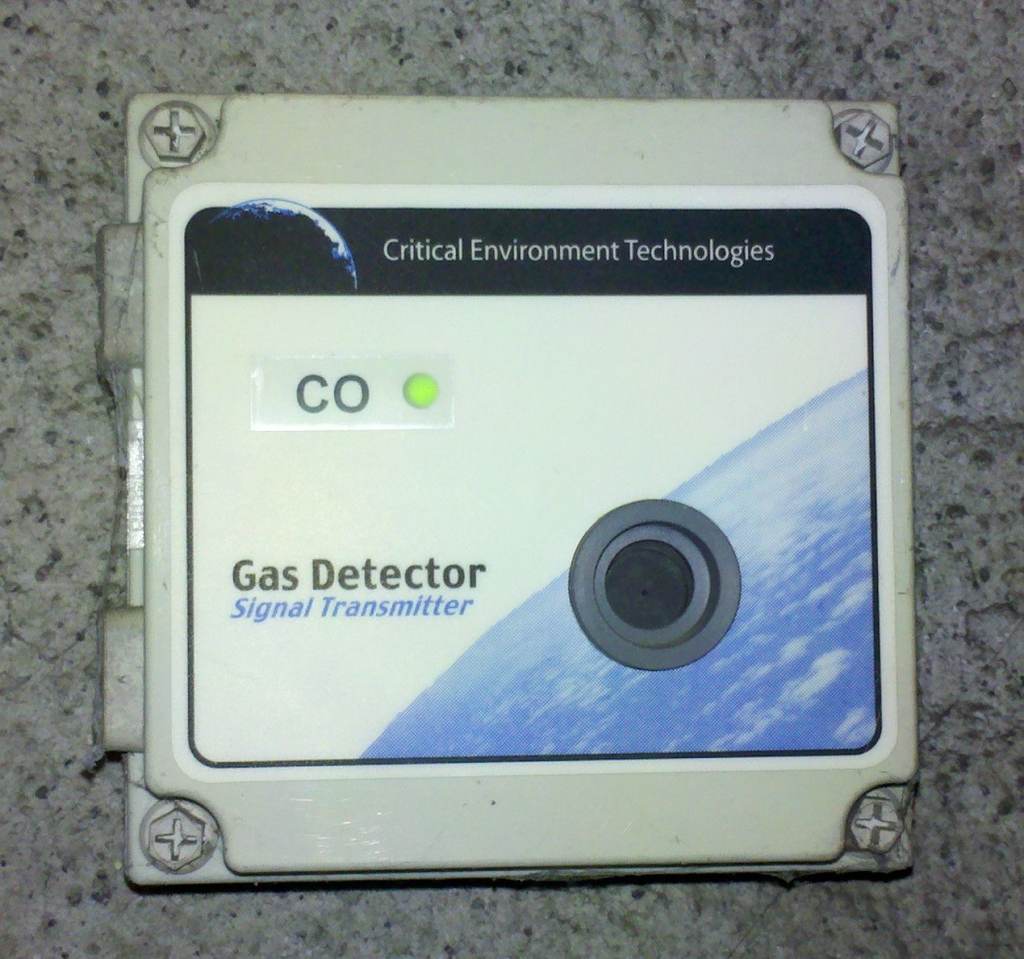
- Test smoke and carbon monoxide alarms and replace batteries. Alarms expire too; see why a chirping CO alarm may need replacing.
- Have the chimney inspected and cleaned if you burn wood.
- Check space heaters for frayed cords and working tip-over shutoffs. The NFPA advises keeping them three feet from anything that can burn, and plugging them straight into a wall outlet. If one keeps tripping the breaker, see why that happens.
- Clean the dryer vent. Lint builds faster in winter when windows are closed. See the warning signs of a clogged vent.
- Never run a generator, grill or camp stove indoors or in an attached garage during an outage.
Energy savings
- Switch ceiling fans to clockwise on low. That pushes warm air pooled at the ceiling back down.
- Open curtains on sunny days and close them at night.
- Keep humidity around 30 to 40 percent. Drier air feels colder, but too much moisture fogs windows. See ideal indoor humidity by season.
- Use LED holiday lights. See what Christmas lights cost to run.
- Read our full list of ways to lower your winter electric bill.
Outage and storm prep
- Flashlights or lanterns and spare batteries, so you are not relying on candles
- Charged phone power banks
- Extra blankets and warm layers in one easy-to-find spot
- A few days of water and shelf-stable food
- Ice melt and a snow shovel, before the store runs out
- A plan for anyone in the home who relies on powered medical equipment
Smart gadgets that make winter easier
None of these are required, but a few inexpensive devices take some of the guesswork and worry out of winter.
- A smart thermostat runs your setback schedule automatically and lets you check from your phone that the heat is still on while you travel. See whether one is worth it in a smaller home.
- Room sensors tell the thermostat to heat based on the bedroom or the cold back room instead of the hallway. See if room sensors are worth it.
- Water leak and freeze sensors under sinks, near the water heater and in the crawl space send an alert when water appears or the temperature drops toward freezing.
- A hygrometer shows whether the air is too dry or so humid that windows will fog.
One caution: do not run a space heater through an ordinary smart plug unless both the plug and the heater’s manual say it is rated for that load. Many smart plugs are not built for a heater’s continuous 1,500 watts.
Shopping for winter gear? HomePilot Picks gathers the thermostats, sensors and smart home devices we have researched in one place.
Frequently asked questions
When should I winterize my house?
Aim for early to mid fall, before the first hard freeze, which is when outdoor temperatures drop to about 28°F for several hours. That gives you time to book a furnace tune-up before technicians get busy.
What temperature should I keep my house in winter?
The Department of Energy suggests about 68°F while you are awake at home, and lowering it 7 to 10°F while you sleep or are away. Do not let it fall below 55°F, to protect your pipes.
Which way should a ceiling fan turn in winter?
Clockwise, on a low speed. That creates a gentle updraft that pushes warm air from the ceiling down into the room.
How often should I change my furnace filter in winter?
Check it monthly while the heat is running. Many 1-inch filters need replacing every one to three months, sooner with pets or dust.
What should I do to my house before a winter storm?
Charge phones and power banks, check flashlights, fill a few jugs of water, keep the thermostat steady, let faucets on outside walls drip if a hard freeze is coming, and keep the garage door closed.

