

Last updated November 7, 2026. Reviewed by the HomePilot editorial team.
Everyone in the house is comfortable except whoever sleeps in the back bedroom. They have the extra blanket, the fuzzy socks and the little space heater humming in the corner. The thermostat says 68°F. That room clearly did not get the memo.
By the HomePilot Team · Updated October 31, 2026 · Checked against ENERGY STAR and Department of Energy guidance · How we research
Short answer: when one room is colder than the rest of the house, the room is either not getting enough warm air or losing heat faster than the others. The most common causes are closed or blocked vents, a dirty furnace filter, leaky or disconnected ducts, a long duct run to the room, and poor insulation or drafty windows, especially in rooms over a garage. Start with the free checks below, then move on to sealing ducts and insulation if the room is still cold.
Key takeaways
- Check the free stuff first: vents open, furniture off the registers, a clean filter, and the door not blocking return air.
- ENERGY STAR says a typical home loses about 20 to 30 percent of the air moving through its ducts to leaks.
- Rooms over garages, at the end of long duct runs, or with lots of windows are the usual cold spots.
- Closing vents in warm rooms usually does not fix a cold room and can make the system work harder.
Quick diagnosis: what your cold room is telling you
| What you notice | Likely cause |
|---|---|
| Weak or no air from the vent | Closed damper, crushed or disconnected duct, dirty filter |
| Strong air, but the room still feels cold | Heat loss: poor insulation, drafty windows, cold floor over a garage |
| Room is cold only when the door is closed | Not enough return air; the room cannot “exhale” |
| Cold only on windy days | Air leaks around windows, outlets, baseboards or the attic hatch |
| Cold radiator, or cold at the top | Air trapped in a hot-water radiator; it needs bleeding |
| Whole upstairs or whole downstairs is off | Heat rising, unbalanced dampers, or one thermostat for two floors |
9 reasons one room is colder than the rest of the house
- Closed or blocked vents. A rug, couch or curtain over a supply register can choke the air flow. Make sure the lever on the vent is fully open.
- A dirty furnace filter. A clogged filter cuts air flow to the whole house, and the farthest rooms feel it first. See our guide on which furnace filter to use.
- Leaky or disconnected ducts. ENERGY STAR estimates that 20 to 30 percent of the air moving through a typical duct system is lost through leaks, holes and poor connections, often in attics and crawl spaces.
- The room is at the end of the line. Rooms farthest from the furnace get the last and weakest air, especially through long flexible ducts.
- Not enough return air. Warm air needs a way out. If the room has no return vent and the door stays shut, pressure builds and less warm air comes in.
- Poor insulation. Bonus rooms over garages, rooms that hang out past the foundation, and older additions often have thin or missing insulation.
- Drafty or single-pane windows. Glass loses heat fast, and gaps around frames let cold air pour in.
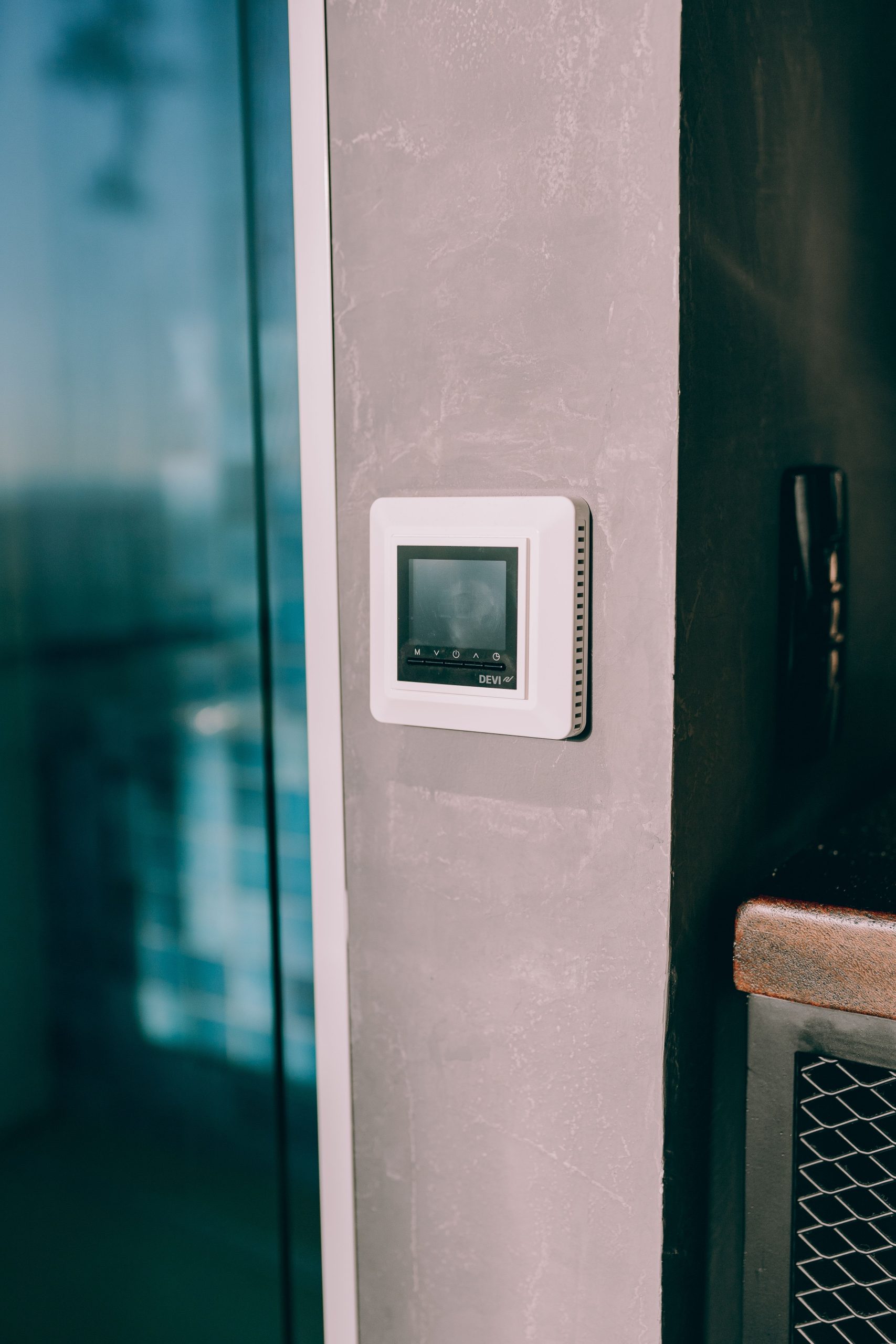
- The thermostat is in the wrong place. A thermostat near a sunny window, a lamp or the kitchen thinks the house is warmer than it is and shuts the heat off early.
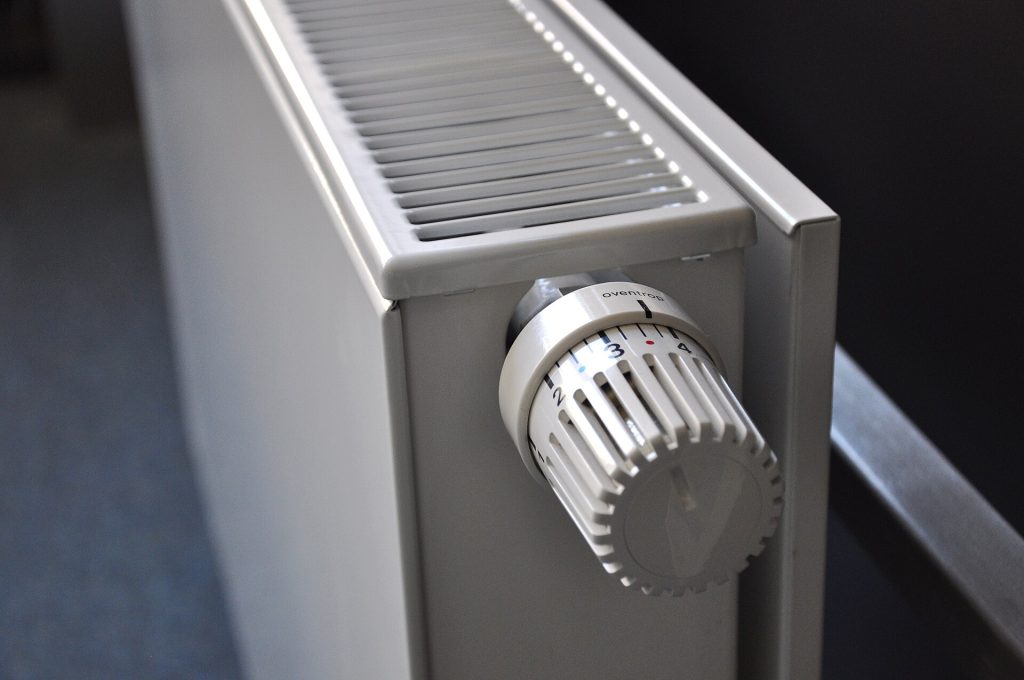
- Radiators full of air. In hot-water systems, trapped air keeps the top of the radiator cold. Bleeding it with a radiator key often fixes it in minutes.
What to check yourself, step by step
- Feel the vent with the heat running. Compare it to a vent in a comfortable room.
- Open every supply vent in the cold room and move furniture, rugs and drapes at least a few inches away.
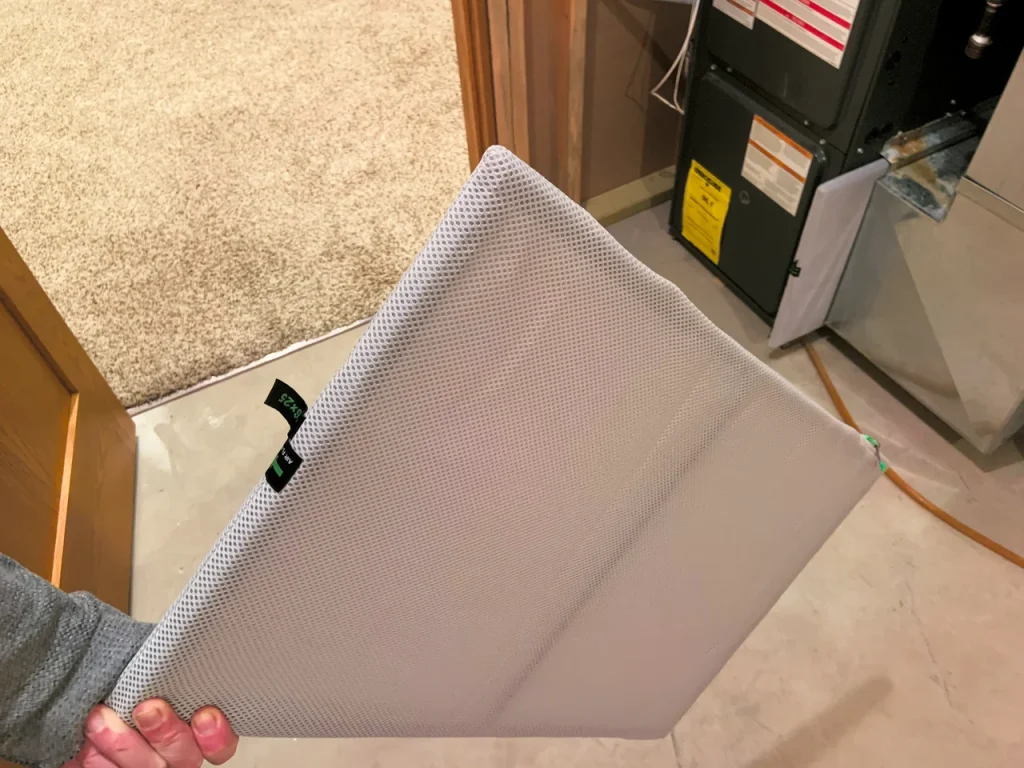
- Replace the furnace filter if it is gray or more than three months old.
- Leave the door open for a day. If the room warms up, it needs better return air, such as a transfer grille or a door undercut.
- Look for dampers. Some duct branches near the furnace have a small lever. If the one feeding the cold room is partly closed, open it.
- Hunt for drafts on a windy day with the back of your hand or a lit incense stick near windows, outlets on outside walls, and baseboards.
- Check the ducts you can see in the basement or attic for disconnected joints or crushed flexible duct.
- Measure. Put a thermometer in the cold room and one near the thermostat for a day so you know the real gap.
Should you close vents in the warm rooms?
It sounds logical: shut the vents where you do not need heat and push more of it into the cold room. In practice, most central systems are not designed for it. Closing several vents raises pressure in the ducts, which can push more air out through existing leaks and make the blower work harder. If you want to adjust, partly close one or two vents in the warmest rooms at most, and fix the cold room’s real problem instead.
Bigger fixes if the room is still cold
| Fix | Best for | Effort and cost |
|---|---|---|
| Seal ducts with mastic or metal tape | Weak air flow, ducts in attic or crawl space | Low for accessible ducts; professional sealing costs more |
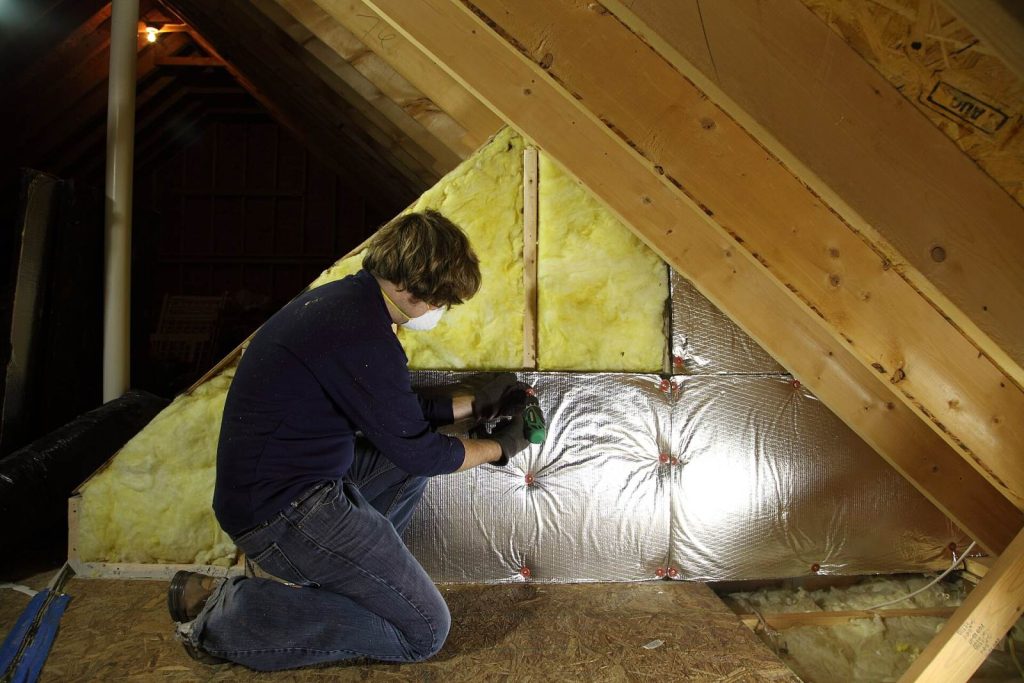
| Add or top up insulation | Rooms over garages, attic bedrooms, older additions | Medium; often eligible for utility rebates |
| Weatherstrip and caulk | Drafts around windows and doors | Low, a weekend DIY job |
| Cellular shades or window film | Cold glass, single-pane windows | Low to medium |
| Smart thermostat room sensors | Thermostat in the wrong place, one cold bedroom at night | Low; see whether room sensors are worth it |
| Ductless mini-split or zoning | Additions or bonus rooms the main system cannot reach | High, but solves it for good |
Note that ENERGY STAR advises against ordinary cloth duct tape for sealing ducts, because it does not last. Use duct mastic or foil-backed metal tape instead.
Using a space heater in the meantime
A space heater is a reasonable short-term fix for one cold room, and it can be cheaper than heating the whole house warmer. Keep it at least three feet from anything that can burn, plug it straight into a wall outlet, and never leave it running while you sleep unless it is designed for it. A 1,500-watt heater uses a large share of a typical bedroom circuit, so if your breaker keeps tripping, read why a breaker keeps tripping. To see what it costs, check what a space heater costs per night.
Products mentioned in this article
- Duct mastic and foil tape – ENERGY STAR-style duct sealing materials
- Door weatherstripping – stops drafts around doors
As an Amazon Associate, HomePilot earns from qualifying purchases. Check the listing for current price and compatibility with your home.
Frequently asked questions
Why is one bedroom always colder than the rest of the house?
Usually because it gets less warm air or loses heat faster. Common reasons are a long duct run, a closed or blocked vent, leaky ducts, poor insulation, or the room sitting over a garage or unheated space.
Can a dirty filter make one room colder?
Yes. A clogged filter reduces air flow through the whole system, and rooms at the end of the longest ducts lose out first.
Does closing vents in other rooms help a cold room?
Not much, and it can backfire. Closing several vents raises duct pressure and can push more air out through leaks. Closing one or two at most is the safe limit.
How do I balance the temperature between rooms?
Open all vents, replace the filter, adjust any dampers on the duct branches, seal leaky ducts, and improve insulation in the cold room. Smart room sensors can also tell your thermostat to heat based on the cold room.
Why is my upstairs colder than downstairs in winter?
Usually because of heat loss through the roof and windows, long duct runs, or a single thermostat located downstairs. Better attic insulation and room sensors upstairs are common fixes.

