
Last updated October 30, 2026. Reviewed by the HomePilot editorial team.
In most homes, the central air conditioner is the single biggest electricity user in summer. It is also the one appliance where a few small habits can move your bill by real money, because the numbers are so large to begin with.
Short answer: a typical 3-ton central air conditioner costs about $0.29 to $0.83 per hour of running time, depending on its efficiency rating and your electricity rate. If it runs about 8 hours a day, that is roughly $69 to $199 a month. Here is how to work out your own number.
Watts, tons and SEER, in plain English
Central air conditioners are sized in tons, where one ton is 12,000 BTU of cooling per hour. A 3-ton system provides 36,000 BTU an hour. Efficiency is rated by SEER, which is roughly cooling output divided by electricity input. A higher SEER means the same cooling for fewer watts.
A useful shortcut: watts are about BTU per hour divided by SEER. For a 3-ton unit, that is 36,000 divided by SEER. SEER is a seasonal average, so this is an estimate, not a meter reading. Your unit’s data plate shows its exact electrical specs.
What a 3-ton system costs to run
We use $0.16 and $0.30 per kWh, the same two rates as our other energy guides. The monthly figure assumes the compressor runs 8 hours a day for 30 days, which is 240 hours.
| SEER | Approx. watts | Per hour at $0.16 / $0.30 | Per month at $0.16 / $0.30 |
|---|---|---|---|
| 13 (older) | about 2,770 W | $0.44 / $0.83 | $106 / $199 |
| 16 (mid-range) | about 2,250 W | $0.36 / $0.68 | $86 / $162 |
| 20 (high-efficiency) | about 1,800 W | $0.29 / $0.54 | $69 / $130 |
A smaller 2-ton system uses about two-thirds of these numbers, and a 4-ton system about a third more. The running hours matter most. In a hot climate, the compressor can run 12 hours or more on a summer day, and the bill scales right along with it.
What a higher SEER rating saves
Going from SEER 13 to SEER 20 cuts the electricity needed for the same cooling by about 35 percent, since 13 divided by 20 is 65 percent. On the 240-hour month above, that is about $37 to $69 saved a month. Over a four-month cooling season, that adds up to roughly $150 to $280.
That sounds great, but a new system costs thousands of dollars, so the savings alone rarely justify replacing a working unit. They do matter when your old unit is failing anyway.
Seven ways to cut the bill
- Raise the thermostat. Every degree you let the house warm up reduces the time the compressor runs. The U.S. Department of Energy says setting your thermostat back 7 to 10 degrees Fahrenheit for 8 hours a day can save about 10 percent a year on heating and cooling.
- Add ceiling fans. They let you feel comfortable at a higher setting for pennies an hour. See our ceiling fan cost guide.
- Change the filter. A clogged filter makes the system work harder and can damage it.
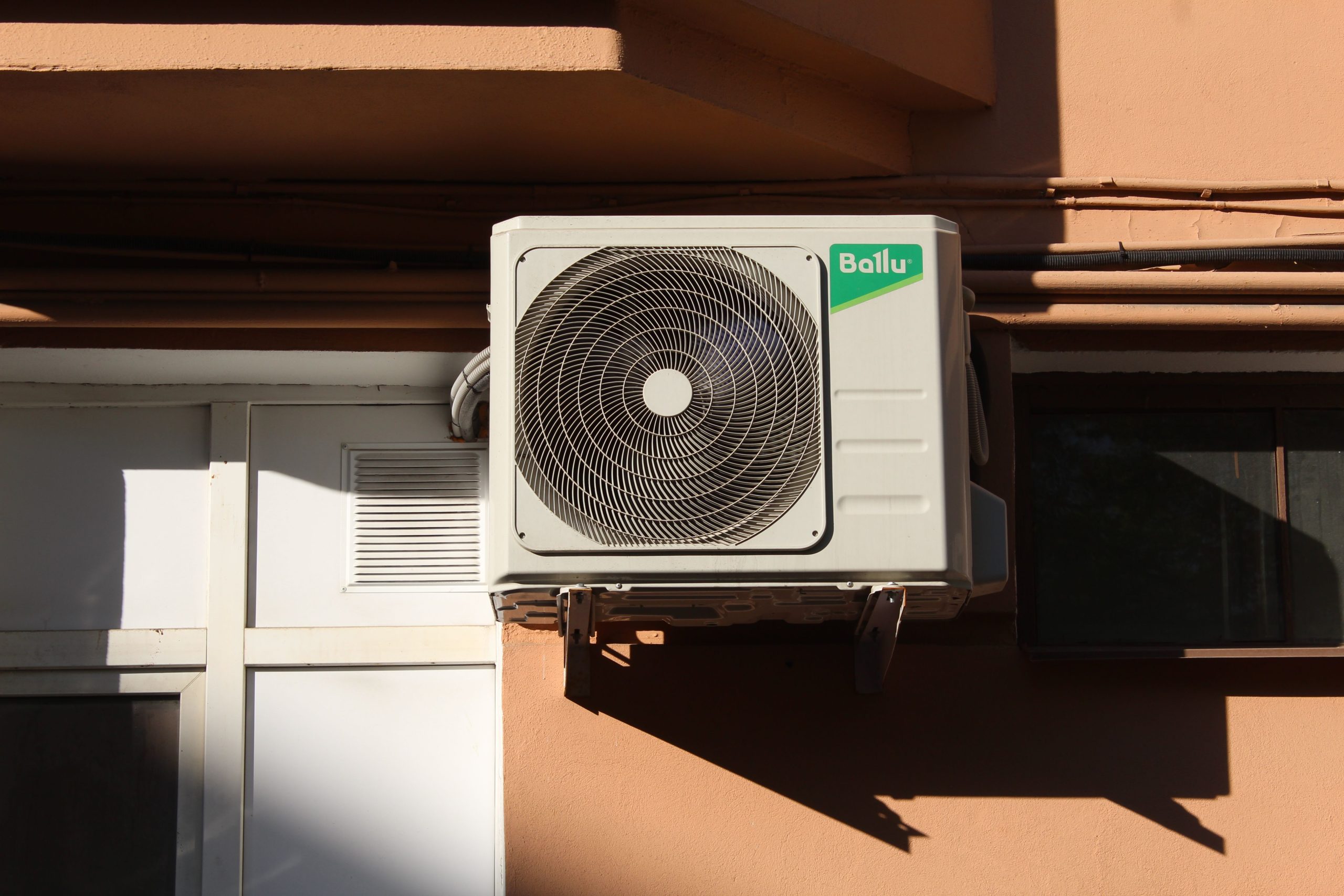
- Keep the outdoor unit clear. Leave a couple of feet around it, and rinse off cottonwood fluff and dirt gently.
- Block the sun. Blinds, curtains and shade on west-facing windows cut the heat your system has to remove.
- Seal leaks and add insulation. A leaky house sends your cooling out the door.
- Schedule a tune-up. A technician can check refrigerant charge and airflow, which affect efficiency.
If you are on a time-of-use plan
Many utilities charge more for afternoon and evening electricity. Pre-cooling the house a little during cheaper hours, then letting the temperature drift up a few degrees at peak, can lower the bill without making you uncomfortable. The same shifting math applies as in our guide on running a dishwasher off-peak.
Central AC vs window units
If you only use one or two rooms, a window unit can cost less, since you are not cooling the whole house. We compare the options in our window, portable and mini-split AC guide. For whole-house cooling, central air is usually the more efficient and more comfortable choice.
Is it worth it?
Central air is a big cost, and also a big lever. A few degrees on the thermostat, a clean filter and some shade can reduce your bill without any new equipment. If you want to see what a smarter schedule could save, the thermostat calculator below gives you a quick estimate.
If you heat with electricity too, a heat pump can replace both your air conditioner and your furnace. See Heat Pump vs. Furnace Running Cost: Which One Is Cheaper Where You Live? for when that costs less.
See what a smarter schedule could save
Estimate your yearly savings from a smarter thermostat setting.
Frequently asked questions
How much does it cost to run central air conditioning per hour?
A typical 3-ton system costs about $0.29 to $0.83 per hour of running time. A SEER 13 unit costs about $0.44 at $0.16 per kWh and $0.83 at $0.30. A SEER 20 unit costs about $0.29 and $0.54.
How much does central air cost per month?
About $69 to $199 a month at 8 hours a day (240 hours). SEER 20 comes to about $69 to $130, and SEER 13 about $106 to $199, depending on your rate.
Is it worth replacing an old air conditioner for a higher SEER rating?
Going from SEER 13 to SEER 20 cuts the electricity used for the same cooling by about 35 percent. On the 240-hour month above, that saves about $37 to $69 a month, or roughly $150 to $280 a season. A new system costs thousands of dollars, so the savings alone rarely justify replacing a working unit.
Sources
Related: your filter choice affects airflow and running cost, see what MERV rating your furnace filter should be.