
The space heater never shocks you. The bill does.
You flip it on at bedtime, the room warms up, and you sleep like a baby. Then, a month later, the utility bill shows up with a number that feels like it belongs to somebody else’s house. Whether that surprise is $23 or $108 comes down to two things: your electricity rate and how often the heater is actually running.
The Formula in One Line
Watts x hours / 1,000 = kWh. Then kWh x your rate = cost.
A standard plug-in space heater is rated at 1,500 watts. Running at full power for 8 hours uses 1,500 x 8 / 1,000 = 12 kWh a night. Here is what that costs at two common rates, running every night for 30 nights:
| Electricity rate | Cost per night | Cost per month (30 nights) |
|---|---|---|
| $0.16 per kWh | $1.92 | $57.60 |
| $0.30 per kWh | $3.60 | $108.00 |
That is the worst case, with the heater burning at full power for all eight hours. Real life is usually kinder.
Why Your Real Bill Is Probably Lower
Most space heaters have a thermostat. Once the room reaches your target temperature, the heating element shuts off and only kicks back on when the room cools. How much of the night the heater actually runs depends on your room size, insulation, and how cold it is outside. Here is how the monthly bill changes at different run times (illustrative, since every room is different):
| Heater actually runs | kWh per month | At $0.16 | At $0.30 |
|---|---|---|---|
| 100% of the night | 360 | $57.60 | $108.00 |
| 60% of the night | 216 | $34.56 | $64.80 |
| 40% of the night | 144 | $23.04 | $43.20 |
A small, well-sealed bedroom might land near the bottom row. A drafty room with an open door lands near the top.
The Surprise: A Pricier Heater Doesn’t Cost Less to Run
Electric resistance heaters turn essentially all of the electricity they use into heat. That means a $30 heater and a $150 heater both deliver about the same warmth per kilowatt-hour. What you pay extra for is the things around the heat: better thermostats, quieter fans, tip-over and overheat shutoffs, and how evenly the warmth spreads. Those are worth having, but none of them changes what a full-power hour costs.
Why Nearly Every Plug-In Heater Says 1,500 Watts
A typical household outlet circuit (120 volts, 15 amps) tops out around 1,800 watts, and equipment that runs for hours is generally kept below about 80% of that. A 1,500-watt heater sits right at the practical limit of what one ordinary outlet is designed to run overnight. That is why heaters stop at 1,500 watts, and why a heater sharing a circuit with a hair dryer or microwave can trip the breaker.
Five Ways to Shrink the Bill
- Use the low setting when it is enough: many heaters offer about 750 watts, which halves the full-power numbers above (about $28.80 a month at 16 cents if it ran all night)
- Heat the person, not the house: close the bedroom door and keep the heater in the room you are actually using
- Set the thermostat to a target temperature instead of leaving it on maximum
- Use a built-in timer so the heater is not running for hours after you fall asleep
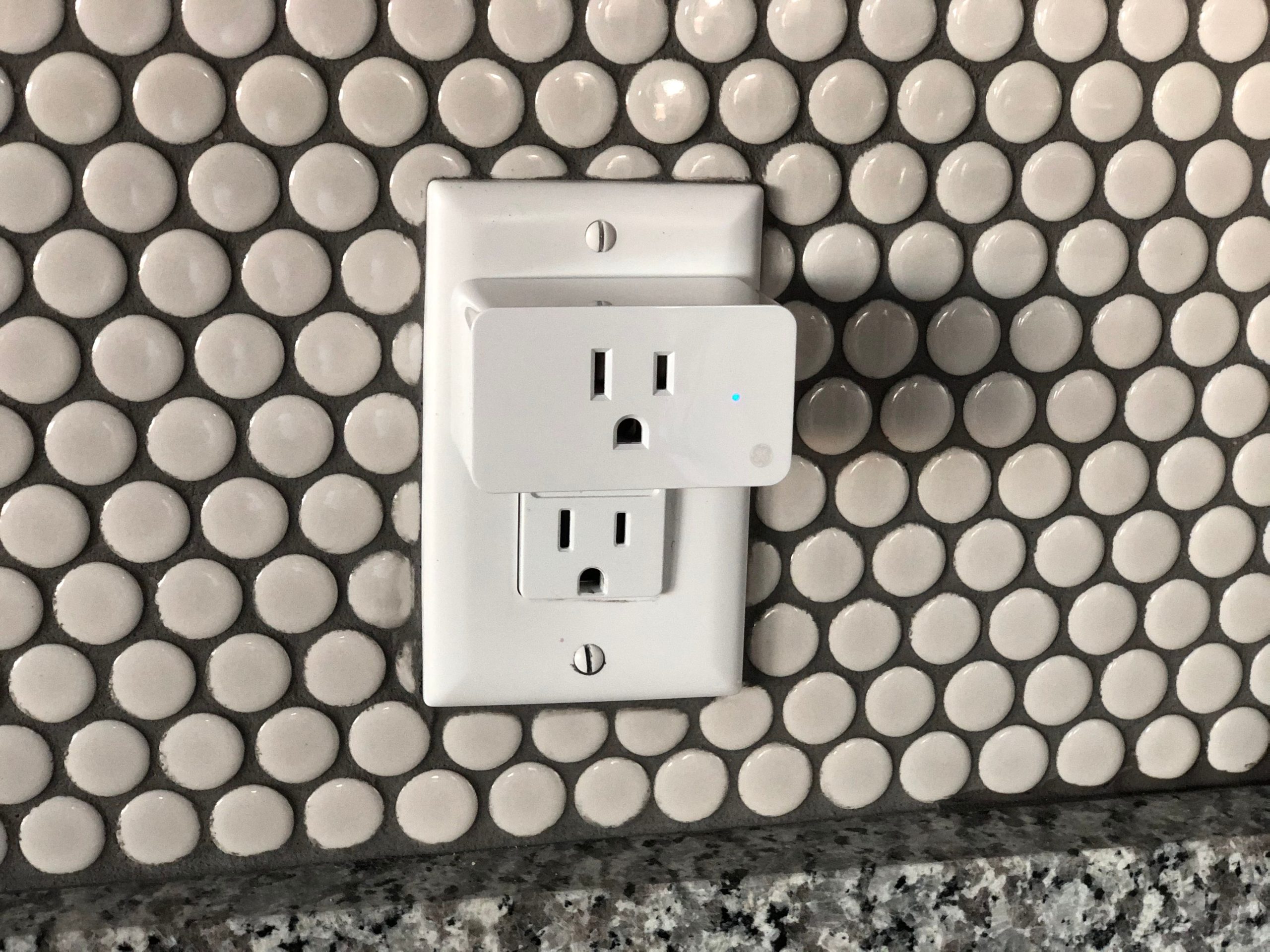
- Plug it straight into a wall outlet, never an extension cord or power strip, since heaters draw enough current to overheat the wrong cord
If you are heating a space every single winter, it is also worth comparing the heater against a mini-split, which can deliver more heat per kWh than resistance heating. We break down real running costs in Portable AC vs. Window AC vs. Mini-Split.
Find Your Own Number
Your electricity rate is on your bill, listed in cents per kWh in the usage section. Plug it into the Appliance Running Cost Calculator, free at thehomepilots.com/tools, along with your heater’s wattage and hours, to get the monthly figure for your house instead of a national average. If you are curious what else is nibbling at your bill, see which appliance is actually spiking your electric bill.
The Bottom Line
Somewhere between $23 and $58 a month at 16 cents is a reasonable range for a heater that cycles. At 30 cents, double it. The difference between the cheap end and the expensive end is usually a thermostat setting and a closed door.