
Last updated November 1, 2026. Reviewed by the HomePilot editorial team.
If you own a battery-powered Ring doorbell, you already know the drill: every couple of weeks, you’re pulling it off the mount to recharge. Solar chargers promise to end that chore, but this is a category with a genuinely mixed track record — so before you buy one, it’s worth understanding what’s actually different about this model.
The Honest Backstory on Ring Solar Chargers
We’ll be upfront: official Ring-branded solar chargers have a rough reputation. Owner reviews on major retailer sites show a large share of buyers reporting the panel stopped charging their doorbell within months, or never kept up with battery drain in the first place — common complaints cite output as low as 0.5–2W, which often isn’t enough to outpace a doorbell’s power draw from motion alerts and live view sessions.
This particular charger is a third-party model built specifically to address that complaint, advertising a 4W maximum output — roughly double to eight times the panel size of the chargers people have been disappointed by. That’s a meaningful spec difference on paper.
What You Get
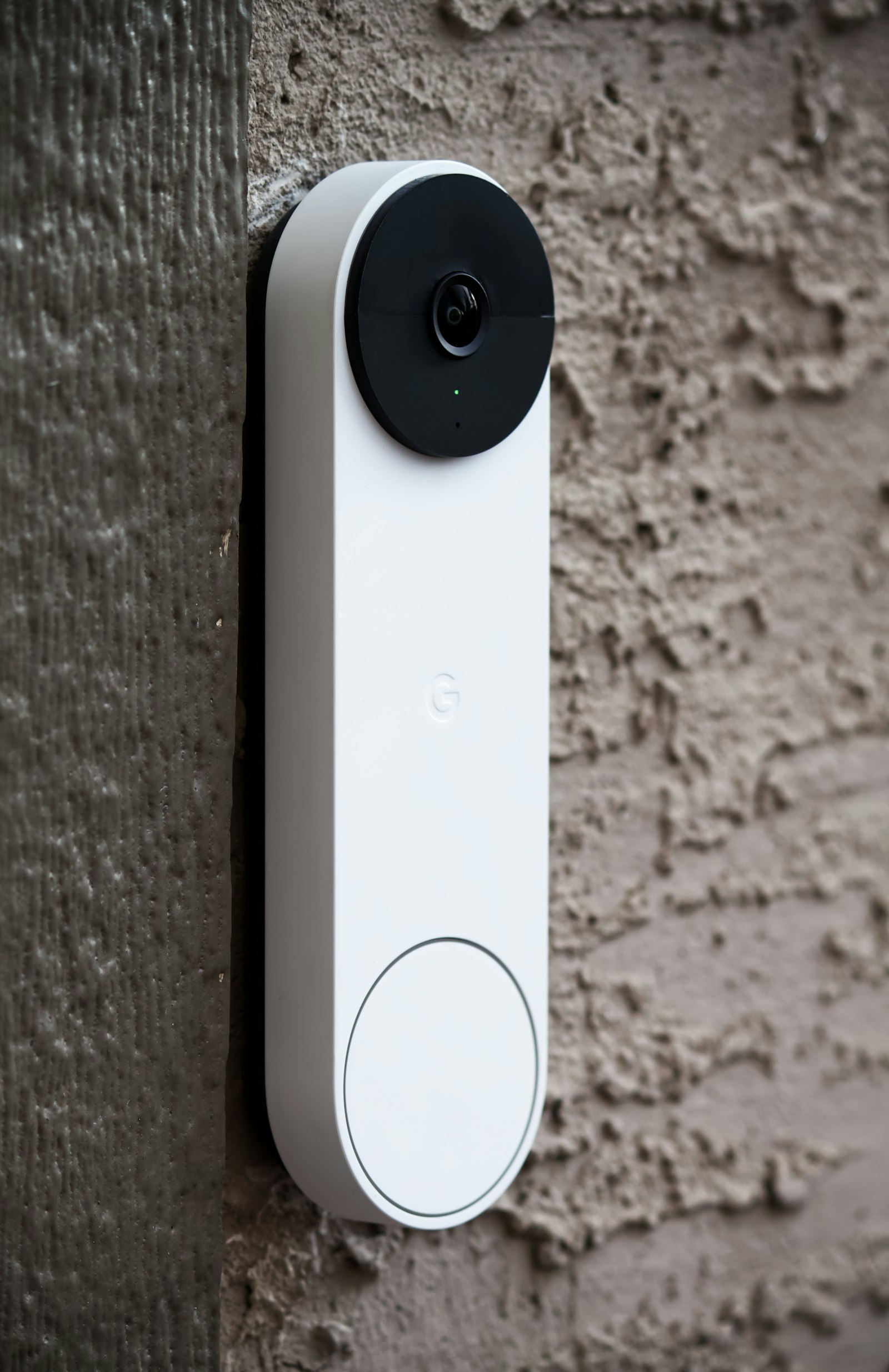
- Compatibility: Ring Video Doorbell 3, Video Doorbell 3 Plus, Video Doorbell 4, Battery Doorbell Plus, and Battery Doorbell Pro (doorbell not included).
- All-in-one design: combines the solar panel and mounting bracket into a single unit rather than a separate add-on panel.
- Installation: designed for flat walls only — not curved surfaces or vinyl baseboard siding — and needs 3–4 hours of direct sunlight daily to keep up with charging.
- Face the sun. In the Northern Hemisphere, a south-facing wall gets the most direct light.
- Clear the shade. Eaves, trees and porch roofs can cut output sharply.
- Wipe the panel. Dust and pollen reduce output over time.
- Check the battery in the Ring app. Look at the level every couple of weeks during the first months to see whether the panel is keeping up.
Our Take
The higher advertised wattage is a legitimate reason this could outperform the chargers with the disappointing track record. That said, it’s a newer listing without years of long-term owner feedback yet, so we can’t independently verify durability over time the way we could with a more established product. If your doorbell spot gets solid direct sun for several hours a day, this is a reasonable one to try — just keep an eye on performance over the first couple of months, and know that shade, cloudy climates, or high motion-alert volume will limit how well any solar charger in this category performs.
Check the current price on Amazon
Disclosure: HomePilot may earn a commission from qualifying purchases made through the Amazon link above, at no extra cost to you.
🔍 Liked this pick? This is just one of the products we’ve researched and stand behind — not a random affiliate list. See everything else we recommend before you buy anything else.
The solar math, step by step
A solar panel only delivers its rated watts in ideal sun. A simple estimate: watts times hours of direct sun gives the best case in watt-hours, and real-world output is usually lower. These figures assume 3.5 hours of direct sun and about 70 percent real-world output.
| Panel | Best case per day | Realistic per day |
|---|---|---|
| 1 watt | 3.5 Wh | About 2.5 Wh |
| 2 watts | 7 Wh | About 4.9 Wh |
| 4 watts | 14 Wh | About 9.8 Wh |
To compare that with your doorbell, find its battery capacity in milliamp-hours and multiply by about 3.6 volts, then divide by 1,000 to get watt-hours. A 6,000 mAh pack, as an example, holds roughly 22 Wh. That is why a 0.5 to 2 watt panel struggles to keep up, while a 4 watt panel has a realistic chance in sunny spots. Your doorbellu2019s real battery size is in its manual.
Placement tips that matter more than the panel
Cut the doorbellu2019s power draw first
The cheapest way to make any charger work better is to use less power. In the Ring app, lower the motion sensitivity, shrink the motion zones, set motion schedules for the hours that matter, and set motion frequency to Light. Fewer false alerts also means fewer wake-ups and less live view time.
When a solar charger is not the answer
If your doorbell spot is shaded, the better fixes are a spare battery pack you swap and charge indoors, or hardwiring the doorbell to an existing doorbell transformer on models that support it. Check your modelu2019s manual before choosing.
Frequently asked questions
Do solar chargers for Ring doorbells work?
It depends on output and sun. Complaints about official chargers cite output as low as 0.5 to 2 watts, often not enough to outpace the doorbellu2019s power draw. This third-party model advertises 4 watts and needs 3 to 4 hours of direct sunlight a day.
Which Ring doorbells does this solar charger fit?
Ring Video Doorbell 3, Video Doorbell 3 Plus, Video Doorbell 4, Battery Doorbell Plus and Battery Doorbell Pro. The doorbell is not included.
Where can the solar charger be installed?
On flat walls only. It is not designed for curved surfaces or vinyl baseboard siding.