

Last updated November 24, 2026. Reviewed by the HomePilot editorial team.
Checklist · Winter plumbing
A frozen pipe is not an emergency until it bursts, and a burst pipe is expensive. University of Illinois Extension notes that an eighth-of-an-inch crack in a pipe can release up to 250 gallons of water a day, soaking floors, rugs and furniture. So the question on a cold evening is simple: will my pipes freeze tonight? The answer depends on three things: how cold it gets, where the pipe runs, and whether your heat stays on. Here are the temperatures that matter, a risk table by location, a bedtime checklist and what to do if a pipe does freeze.
By the HomePilot Team · Updated November 24, 2026 · Guidance from University of Illinois Extension and Texas A&M AgriLife Extension · How we research
20°F
Outside temperature at or below which pipes can freeze and burst (Texas A&M)
55°F
Lowest thermostat setting to use, even when you are away
250 gal
Water per day a 1/8-inch crack can release (Illinois Extension)
The short answer
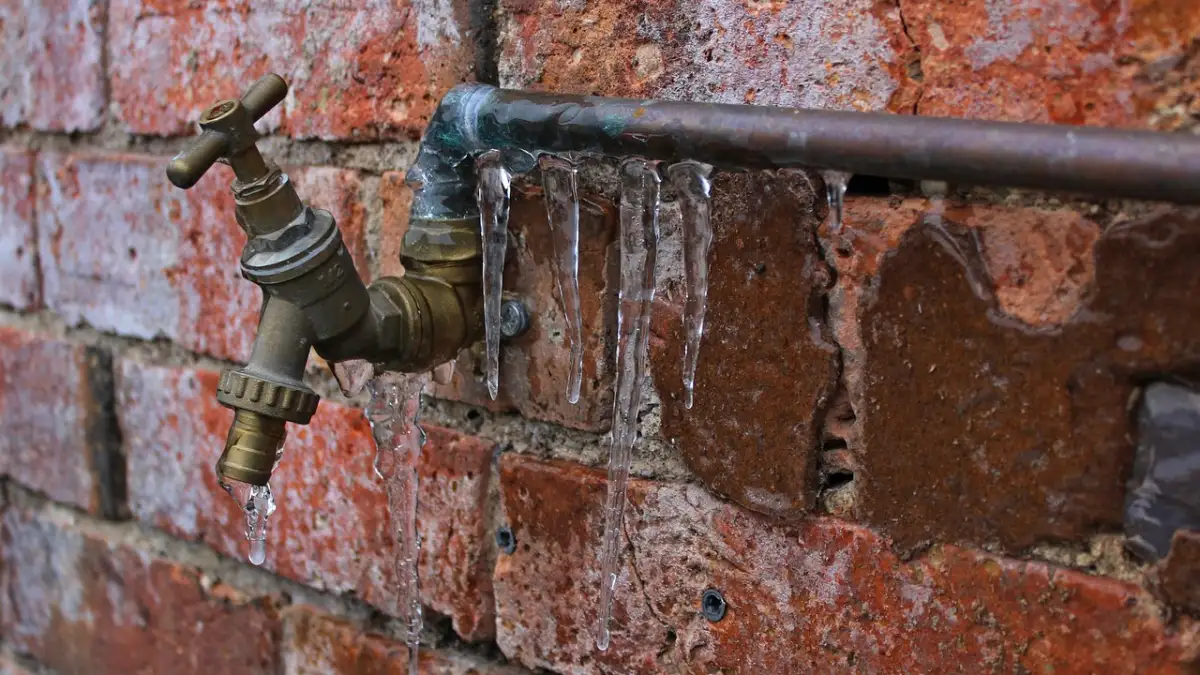
Water freezes at 32°F, so exposed outdoor lines such as hose bibs can freeze as soon as it drops to freezing for a while. For pipes in the house, Texas A&M says pipes have the potential to freeze and burst when the outside temperature reaches 20°F or below, especially pipes in unheated or poorly insulated spaces like attics, crawl spaces, garages and exterior walls. Pipes inside heated rooms are much safer, as long as the heat stays on and is never set below 55°F.
Will your pipes freeze tonight? Enter tonight’s low, where the pipe runs, your thermostat setting and whether the heat is off. The checker gives you a risk level and a to-do list for before bed, plus thawing tips.
Which pipes freeze first
| Where the pipe is | When it is at risk | Why |
|---|---|---|
| Outdoor hose bibs, sprinkler and pool supply lines | As soon as it is at or below 32°F for a while | Fully exposed to the cold |
| Pipes in attics, crawl spaces, garages and unheated basements | Outside temperatures of 20°F or below (Texas A&M) | No heat reaches them |
| Pipes against exterior walls with little or no insulation | Outside temperatures of 20°F or below | The wall is as cold as outside |
| Pipes under sinks on exterior walls | Same, especially with cabinet doors closed | Warm room air cannot reach them |
| Pipes inside heated rooms, thermostat at 55°F or higher | Low risk unless the heat fails | Warmed by the house |
Texas A&M also points out that a hot water supply line can freeze just like a cold one if the water is not running and the pipe is cold. And these numbers are a guide, not a guarantee: how long the cold lasts, and how well the pipes are insulated, also matter.
Your bedtime checklist for a freezing night
Before you go to bed
- Keep the heat on and set no lower than 55°F. Texas A&M recommends keeping the thermostat at a consistent temperature day and night.
- Let a faucet trickle. Let hot and cold water trickle at night from a faucet on an outside wall, as Illinois Extension advises. Moving water is harder to freeze.
- Open cabinet doors under sinks and appliances on outer walls so warm air can reach the pipes.
- Close the garage door if water supply lines run through the garage.
- Disconnect garden hoses and cover outdoor hose bibs with insulated covers. If you can, close the inside valve that feeds outdoor faucets and drain the line.
- Know where your main water shutoff is, and make sure everyone in the house knows too.
Shop outdoor faucet covers on Amazon → · Shop pipe insulation → (As an Amazon Associate, HomePilot earns from qualifying purchases.)
If you are going away
- Leave the heat on at 55°F or higher and open cabinet doors where there are pipes.
- Have someone check the house daily, as Illinois Extension suggests, to make sure the heat is still on. Or drain and shut off the water system.
- Heat pump owners: if extreme cold is forecast, Texas A&M says you may need to switch to emergency heat and set the thermostat to 55°F.
Before winter arrives
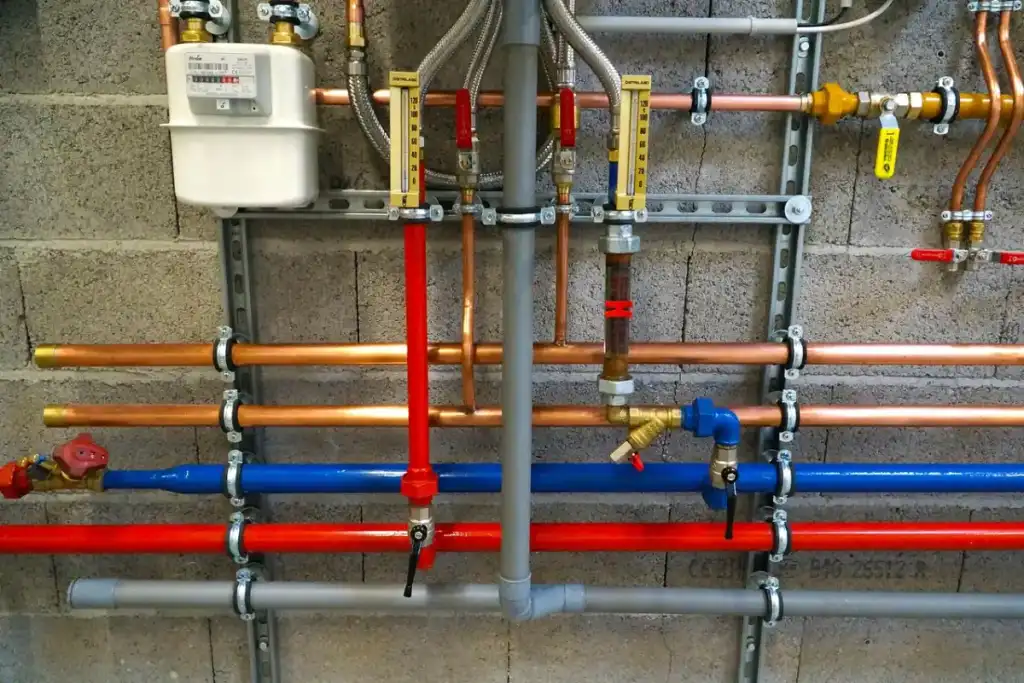
- Insulate the most exposed pipes, especially those near outer walls, in crawl spaces and in the attic, with pipe sleeves made for the job.
- Use UL-listed heat tape or heat cable on exposed pipes, following the instructions.
- Seal gaps that let cold air blow onto pipes.
- Drain sprinkler and pool supply lines according to the installer’s directions. Texas A&M says not to put antifreeze in them.
- Add a leak sensor near the water heater, under sinks and in the basement, so a problem sends you an alert. See whether leak sensors are worth it and our review of an automatic water shutoff valve.
Signs that a pipe is frozen
- A faucet gives only a trickle, or no water at all, when it is freezing outside.
- Frost on exposed pipes.
- Water pressure suddenly drops in cold weather; see our guide to low water pressure.
- A bulge or crack in a pipe, or water dripping from one that has already burst.
If a pipe freezes: what to do
- Keep the faucet open. Water will begin to flow as you thaw the pipe, which helps melt more ice.
- Find your main water valve. The frozen pipe may already be cracked and will leak as it thaws. If it does, shut off the main valve until the leak is fixed.
- Apply gentle heat to the frozen section. Texas A&M lists a heating pad, a hair dryer, a portable space heater, or towels soaked in hot water. Keep electrical cords away from water.
- Keep heating until full water pressure returns.
- Check the other faucets. If one pipe froze, others may have too.
- Call a licensed plumber if you cannot find the frozen area, cannot reach it or cannot thaw it. If a pipe has burst, call a plumber and also contact your insurance agent.
Never do this
- Never use an open flame or a blowtorch to thaw a pipe. Illinois Extension and Texas A&M both warn against it.
- Do not use kerosene or propane heaters or a charcoal stove. They are a serious fire hazard and release lethal carbon monoxide.
- Watch for electric shock around standing water; turn off power if water is near outlets or cords.
For a deeper checklist, read our full guide to preventing frozen pipes, our winter home checklist, and what to do if the power goes out in our winter outage guide, since a failed furnace is a top cause of frozen pipes.
Frequently asked questions
At what temperature do pipes freeze?
Water freezes at 32 degrees F. Texas A&M says water pipes have the potential to freeze and burst when the outside temperature reaches 20 degrees F or below, especially in unheated spaces and exterior walls.
How cold does it have to be inside for pipes to freeze?
Pipes in heated rooms are unlikely to freeze if the heat stays on. Experts recommend never setting the thermostat below 55 degrees F, even when you are away.
Should I let my faucets drip when it freezes?
Illinois Extension recommends letting hot and cold water trickle at night from a faucet on an outside wall during cold weather.
How do I thaw a frozen pipe?
Keep the faucet open and apply gentle heat with a heating pad, hair dryer, portable space heater or hot towels. Never use an open flame, and call a plumber if you cannot find or reach the frozen area.
How much water can a burst pipe leak?
Illinois Extension says a crack as small as an eighth of an inch can release up to 250 gallons of water a day.

