

Last updated November 11, 2026. Reviewed by the HomePilot editorial team.
Checklist · Indoor air
You dust the shelves on Saturday, and by Tuesday there is a fresh gray film on the TV stand. If your house seems to collect dust faster than you can clean it, the problem is usually not your cleaning; it is your home’s air. Dirty filters, leaky ductwork, dry winter air and a few everyday habits can keep dust circulating and settling all day. This checklist works through the causes in order, from the free fixes to the ones that need a pro, so you can stop chasing the same dust every few days.
By the HomePilot Team · Updated November 11, 2026 · Based on HVAC and indoor air quality guidance · How we research
Before you start: the short answer
The most common reasons a house is so dusty are a dirty or low-quality HVAC filter, leaky air ducts pulling in dust from the attic or crawl space, dry indoor air that keeps dust floating and makes it cling with static, and dust tracked in on shoes and pets. Replace the filter, keep humidity around 40 to 50 percent, clean with damp microfiber and a HEPA vacuum, and have leaky ducts sealed. Many homes notice dust gets worse in winter, when the heat runs and the air is drier.
Where house dust comes from
Household dust is a mix of many things: fibers from clothing, bedding and furniture, soil and pollen tracked in from outside, pet dander and hair, crumbs, and in some homes, particles pulled in through gaps in ductwork. Some is unavoidable. The goal is not a dust-free home; it is stopping the extra dust that comes from fixable problems.
The dusty house checklist
Start with the HVAC system
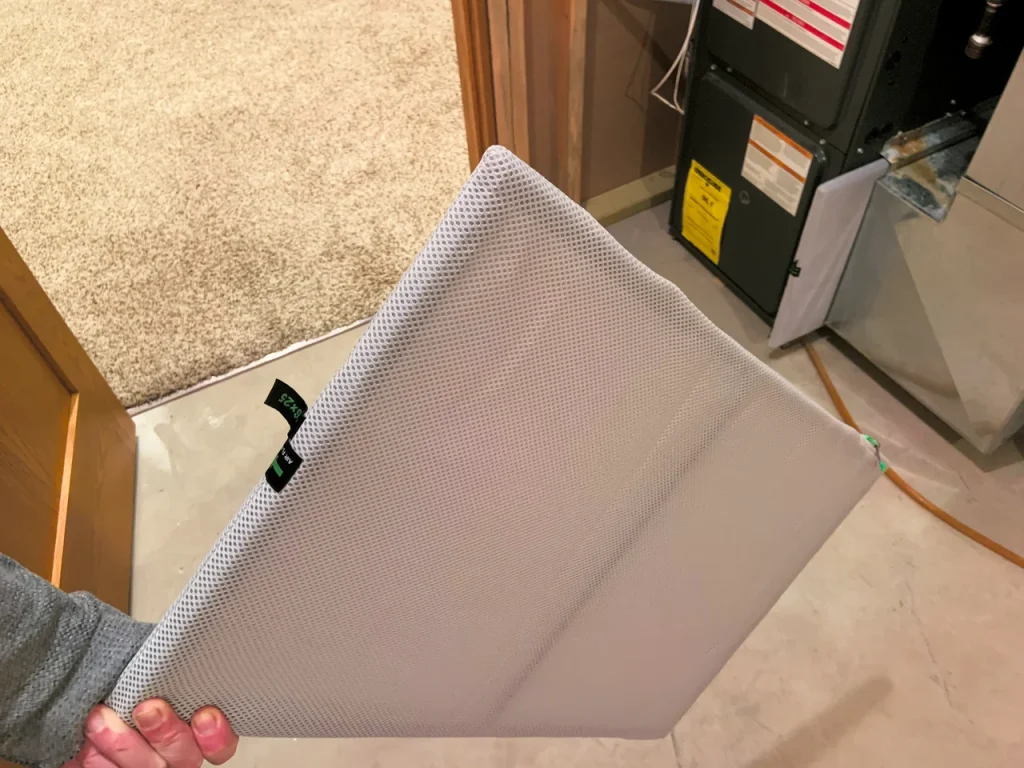
- Check the furnace filter. If you cannot see light through it, replace it. Most homes should change filters every 1 to 3 months, more often with pets.
- Use a better filter. A pleated filter in the MERV 8 range traps much more dust than cheap fiberglass ones. See our MERV rating guide before going very high, which can restrict airflow.
- Make sure the filter fits. Gaps around the edges let air, and dust, bypass it.
- Vacuum the supply and return vents. Dust collects on the grilles and blows back out.
- Consider the fan setting. On Auto, the fan runs only while heating or cooling. Running it longer sends more air through the filter, but uses more electricity.
Look for leaky ducts
- Signs of duct leaks: dust streaks around vents, rooms that are hard to heat, or dust that keeps coming back right after cleaning.
- Leaky ducts in an attic, crawl space or basement can pull in dust and insulation fibers that never pass through the filter.
- Seal visible joints in exposed ducts with mastic or foil-backed tape, not ordinary cloth duct tape.
- Call an HVAC pro to test and seal ducts you cannot reach; it also improves heating and cooling.
Fix the humidity
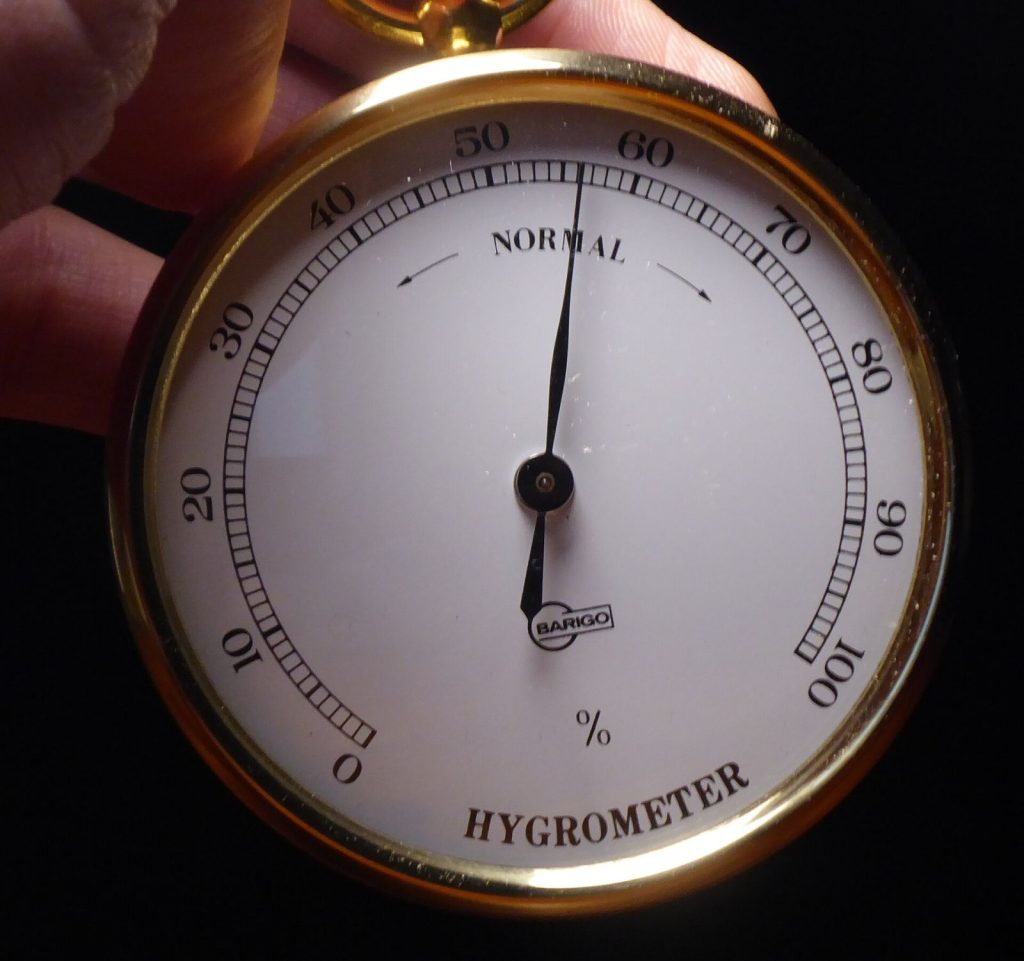
- Check humidity with an inexpensive hygrometer.
- Too dry (under about 30 percent in winter): dust stays airborne longer and static makes it stick to surfaces and electronics. A humidifier helps; see our humidifier picks.
- Aim for about 40 to 50 percent, lowering it if your windows start to fog.
- Too humid is a problem too: dust clumps, and dust mites and mold thrive. See ideal indoor humidity.
Change how you clean
- Dust from top to bottom, ceiling fans and shelves first, floors last.
- Use a damp microfiber cloth, which traps dust, instead of a dry duster that pushes it into the air.
- Vacuum weekly with a HEPA vacuum, which holds fine dust instead of blowing it back out.
- Wash bedding weekly in hot water, and vacuum mattresses and upholstery.
- Clean blinds, lampshades and baseboards; they are easy to forget and collect a lot.
- Cut clutter on open shelves; fewer surfaces means less dust.
Stop dust at the door
- Take shoes off at the door, and use a doormat both outside and inside.
- Groom pets regularly, ideally outdoors, and wash their beds.
- Seal drafts around windows and doors, which also let in outdoor dust; see how to stop drafts.
- Keep windows closed on windy or high-pollen days.

A simple weekly dust routine
| When | What to do |
|---|---|
| Every week | Damp-dust surfaces top to bottom, HEPA-vacuum floors and rugs, wash bedding |
| Every month | Vacuum vents and grilles, clean blinds and baseboards, check the furnace filter |
| Every 1 to 3 months | Replace the furnace filter |
| Every season | Wash curtains, vacuum upholstery and mattresses, check humidity |
Sticking to a routine keeps dust from building up faster than you can remove it, and makes each cleaning session quicker.
Renting? Most of these fixes still apply: you can change the furnace filter, clean vents, add a humidifier and use doormats. Report suspected duct leaks or a furnace producing soot to your landlord, since ductwork and heating equipment are usually their responsibility.
Do air purifiers help with dust?
A HEPA air purifier sized for the room can capture fine airborne dust, which helps in bedrooms and for people with allergies. It will not fix the source, though: a dirty filter, leaky ducts or dust tracked in will keep producing more. Treat a purifier as a helper after the basics. Our guide to dehumidifiers vs air purifiers explains what each one does.
Shop MERV 8 furnace filters on Amazon → · Shop HEPA air purifiers → (As an Amazon Associate, HomePilot earns from qualifying purchases.)
When dust is a warning sign
- Dark gray or black dust or soot near vents or a furnace can point to a combustion problem. Have the furnace inspected, and make sure your carbon monoxide alarms work.
- A sudden jump in dust after renovation can mean construction dust in the ducts; replace filters more often for a while.
- Fibers or pink, yellow or gray fluff from vents can mean ductwork is pulling in insulation.
- Worsening allergy or asthma symptoms are a reason to tackle dust sooner and talk to a doctor.
Frequently asked questions
Why is my house so dusty all of a sudden?
Common causes of a sudden increase are a clogged furnace filter, the heat coming on for winter with drier air, recent renovation work, or leaky ducts pulling in dust from the attic or crawl space.
Does a furnace filter reduce dust?
Yes. A clean, well-fitting pleated filter around MERV 8 traps much more dust than a cheap fiberglass filter. Change it every 1 to 3 months.
Why is my house dustier in winter?
Windows stay closed, the heating system runs more, and dry air lets dust stay airborne longer and cling to surfaces with static.
What humidity reduces dust?
Around 40 to 50 percent. Too dry lets dust float and stick with static; too humid helps dust mites and mold.
Do air purifiers help with dust?
A HEPA air purifier sized for the room captures fine airborne dust, but it works best alongside fixing the source, like a dirty filter or leaky ducts.

