


Last updated November 12, 2026. Reviewed by the HomePilot editorial team.
By the Numbers · Winter energy
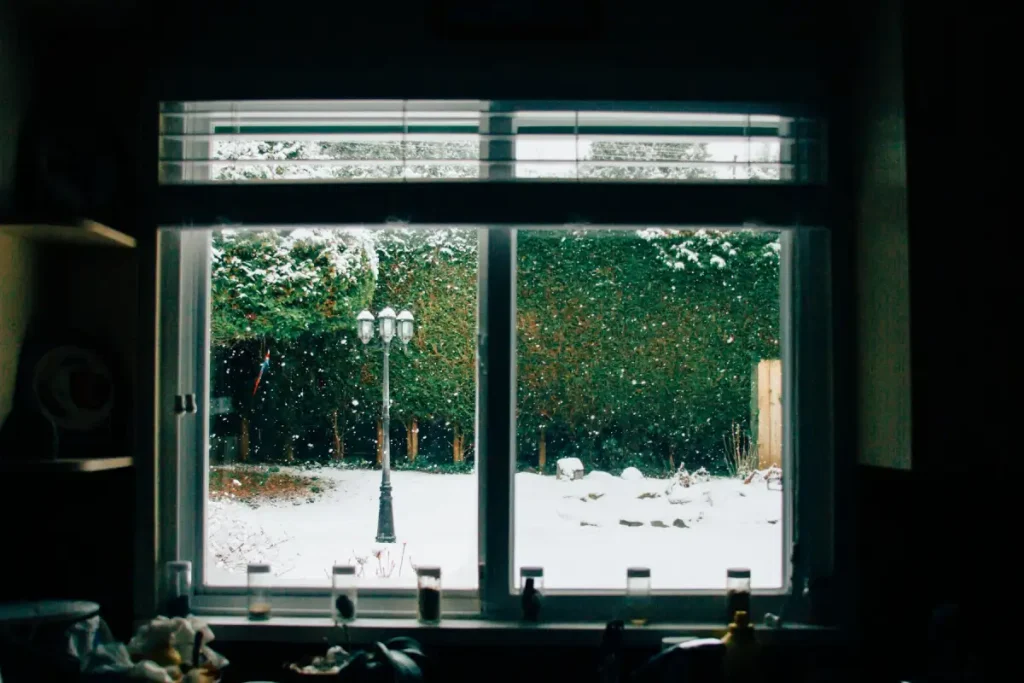
You turn the heat up, but the couch by the window still feels chilly, and you can almost see the curtains move. Drafts are not just uncomfortable; they are paid-for heat leaking outside. ENERGY STAR has pointed out that if you add up all the small hidden air leaks in a typical home, they can equal a hole the size of an open window. Sealing them is one of the cheapest, fastest energy upgrades you can make, and most of it is a weekend DIY job.
By the HomePilot Team · Updated November 7, 2026 · Savings estimates from ENERGY STAR and the U.S. EPA · How we research
15%
Average heating and cooling savings from air sealing plus insulation (EPA)
11%
Average savings on total energy costs
Up to 20%
Heating and cooling savings in some colder climate zones
The short answer
Find drafts by feel or with a stick of incense, then seal them with the right material: caulk for cracks around window and door frames, weatherstripping for the moving parts of doors and windows, a door sweep for gaps under exterior doors, foam gaskets behind outlet covers on outside walls, and window film kits for leaky old windows. The EPA estimates homeowners save an average of 15 percent on heating and cooling by air sealing and adding insulation.
The math: what sealing drafts saves
Example: $900 × 0.15 = about $135 a year
The EPA’s 15 percent average covers air sealing and adding insulation together, so sealing drafts alone will usually save less. Savings are higher in cold northern climates, where ENERGY STAR estimates 16 to 20 percent on heating and cooling, and lower in the warm South. Even so, most draft-sealing materials cost little, so they often pay for themselves within a season or two.
| Region (ENERGY STAR climate zones) | Estimated heating and cooling savings |
|---|---|
| Far north (zones 6 to 8) | About 18% to 19% |
| North and middle (zones 4 to 5) | About 16% to 20% |
| South (zones 1 to 3) | About 7% to 14% |
| National average | About 15% |
How to find drafts
- Pick a cold, windy day. Drafts are easiest to feel when it is cold outside.
- Feel around with a damp hand along window frames, door edges, baseboards and outlets on outside walls.
- Use a stick of incense (carefully, away from curtains) and watch for the smoke to waver or blow sideways.
- Try the flashlight test on doors: at night, shine a flashlight around a closed door while someone outside looks for light leaking through.
- Check for daylight under exterior doors and around the attic hatch.
- Ask your utility about a free or low-cost home energy audit; many include a blower-door test that finds hidden leaks.
How to fix each kind of draft
| Where the draft is | Best fix | Cost and effort |
|---|---|---|
| Cracks around window and door frames | Caulk (gaps up to about 1/2 inch) | $ · easy |
| Gaps where doors and windows open and close | Weatherstripping (foam tape, V-strip or rubber) | $ · easy |
| Gap under an exterior door | Door sweep or draft stopper | $ · easy |
| Electrical outlets and switches on outside walls | Foam gaskets behind the cover plates | $ · very easy |
| Old single-pane or leaky windows | Plastic window insulation film kit | $ · easy |
| Larger gaps around pipes and wiring | Expanding spray foam | $ · moderate |
| Around chimneys and flues | High-temperature caulk or sealant | $ · moderate |
| Attic hatch and attic bypasses | Weatherstrip the hatch; seal attic leaks | $$ · moderate |

Caulk the frames
Run a bead of caulk along cracks where window and door trim meets the wall or frame. Clean and dry the surface first, cut the nozzle at an angle, and smooth the bead with a damp finger. ENERGY STAR notes caulk works for gaps up to about half an inch; use backer rod or foam for anything wider.
Weatherstrip the moving parts
Weatherstripping seals the parts of doors and windows that move. Self-adhesive foam tape is the easiest; V-strip lasts longer on window sashes and door jambs. Close the door on a sheet of paper: if it slides out easily, the seal is not tight.
Shop weatherstripping on Amazon → · Shop window film kits → (As an Amazon Associate, HomePilot earns from qualifying purchases.)
Add a door sweep
If you can see daylight under an exterior door, a door sweep or an adjustable threshold closes the gap. A fabric draft stopper is a quick, renter-friendly alternative.
Use window film on leaky windows
Plastic window insulation kits stretch a clear film over the window frame, sealed with double-sided tape and tightened with a hair dryer. ENERGY STAR lists applying plastic over windows as one of its DIY sealing projects. It is ideal for old windows you are not ready to replace, and it is removable in spring.
Seal outlets and switches on outside walls
Electrical outlets and light switches on exterior walls are surprisingly common draft points. Turn off the power at the breaker, unscrew the cover plate, press a precut foam gasket over the box, and screw the cover back on. It takes a couple of minutes per outlet and costs very little.
Do not stop at the windows
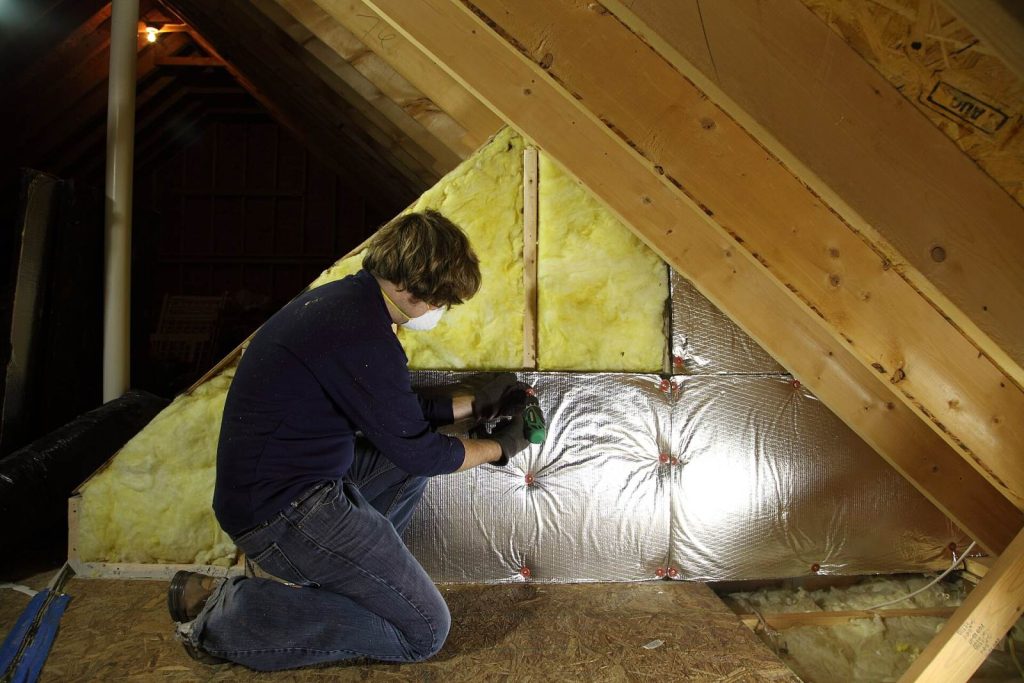
Windows and doors are the drafts you can feel, but the biggest leaks are often hidden in the attic and basement, where gaps around pipes, wiring and light fixtures let warm air escape. Those same attic leaks cause ice dams. See our ice dam checklist for how to seal them, and our DIY home energy audit to find the rest.
Keep fresh air and safety in mind
- Do not seal or block combustion vents, chimneys or appliance air supplies.
- Homes with gas appliances need working carbon monoxide alarms, especially after tightening up.
- Keep bathroom and kitchen exhaust fans working so moisture can escape; see window condensation.
- Renters: use removable products such as draft stoppers, film kits and removable weatherstripping, and ask before caulking.
Want to see what your heating actually costs? Our free calculator compares heaters, heat pumps and gas with your own rates.
Frequently asked questions
How much can I save by sealing drafts?
The EPA estimates homeowners save an average of 15 percent on heating and cooling costs, or 11 percent on total energy costs, by air sealing and adding insulation. Sealing drafts alone usually saves somewhat less.
What is the cheapest way to stop window drafts?
Caulk around the frame, weatherstripping on the moving parts, and a plastic window film kit for older windows are all inexpensive DIY fixes.
How do I find where drafts are coming from?
On a cold, windy day, feel around frames with a damp hand or watch the smoke from a stick of incense. Many utilities also offer home energy audits with blower-door testing.
Should I use caulk or weatherstripping?
Use caulk for cracks in parts that do not move, like window trim. Use weatherstripping for parts that open and close, like door edges and window sashes.
Can renters stop drafts?
Yes. Draft stoppers, removable window film and removable weatherstripping make a big difference without permanent changes.

