
Last updated November 5, 2026. Reviewed by the HomePilot editorial team.
The promise of endless hot water on a tankless water heater is true. The promise of endless savings is the part worth reading carefully, because how much you save depends almost entirely on how much hot water your household uses.
Short answer: according to the U.S. Department of Energy, tankless water heaters are about 24 to 34 percent more energy efficient than tank models in homes that use around 41 gallons of hot water a day or less, and only about 8 to 14 percent more efficient in homes that use a lot of hot water, around 86 gallons a day. They cost more up front, so the payback is often long. Here is how to work out which side you are on.
How the two designs differ
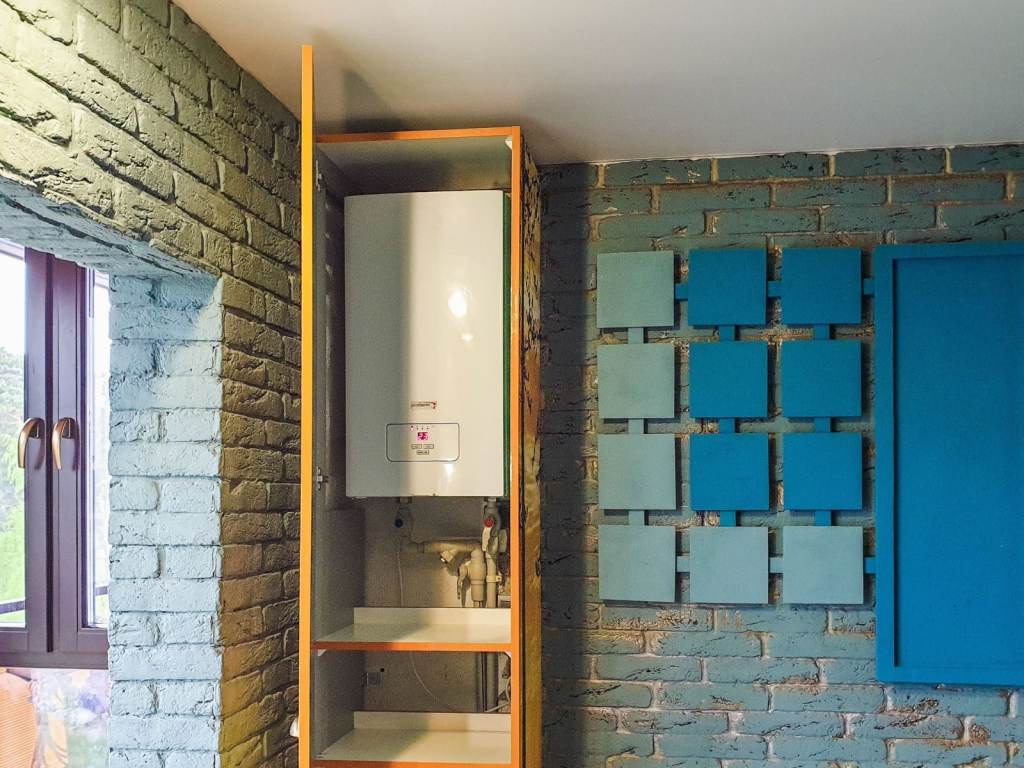
A tank water heater keeps 30 to 80 gallons of water hot around the clock. It loses a little heat all day, even when no one is home, which is called standby loss. A tankless water heater heats water only when you open a tap, so it has almost no standby loss. The trade-off is that it has to heat water very fast, which takes a lot of power or gas at once.
How much does tankless actually save?
The efficiency gain sounds big, but it applies only to the share of your bill that goes to heating water. To turn it into dollars, we assume a household spends $700 a year on water heating. The savings below come from converting the Department of Energy’s efficiency gains into energy used.
| Household hot water use | Efficiency gain with tankless | Rough yearly saving on a $700 bill |
|---|---|---|
| Light (around 41 gallons a day or less) | 24 to 34 percent | about $135 to $180 |
| Heavy (around 86 gallons a day) | 8 to 14 percent | about $50 to $85 |
Your own bill could be higher or lower, so treat these as a starting point. A smaller household that uses little hot water gets the biggest percentage gain, but it also has the smaller bill to begin with.
The costs that do not show up in the efficiency number
- Upfront price. Tankless units and their installation usually cost noticeably more than a like-for-like tank. Get real quotes before you do any math.
- Installation work. Gas models may need a larger gas line and new venting. Whole-house electric models can need a large dedicated electrical load, sometimes a panel upgrade.
- Lifespan. The Department of Energy says tankless units can last more than 20 years, compared with roughly 10 to 15 years for a storage tank. That helps tankless on long-term cost.
- Maintenance. In hard-water areas, a tankless heater usually needs regular flushing to remove mineral scale.
- Flow limits. A tankless unit has a maximum flow rate. Running two showers and a dishwasher at once can overwhelm a model that is too small.
Who should choose which?
| Your situation | Better fit |
|---|---|
| Small household, light hot water use, staying put for years | Tankless |
| Large household with heavy, simultaneous use | Tank, or a larger tankless with multiple units |
| Tight budget, short time in the home | Tank |
| Electric-only home and a suitable space | Heat pump water heater |
| Low-use vacation home or guest house | Tankless, since no tank means no standby loss |
That fifth option deserves attention. If your home runs on electricity, a heat pump water heater can beat both of the designs above on running cost. See our guide on how many watts a heat pump water heater uses for the numbers.
Does the fuel matter?
Yes. Gas and electric prices vary widely by region, so which fuel is cheaper to burn or buy decides a lot. Efficiency tells you how well a heater uses its fuel, not what the fuel costs. Compare your local price per kilowatt-hour of electricity with your price per therm of gas before you decide.
Lifespan, flow rate and the numbers that decide payback
The efficiency percentages are only half the story. The Department of Energy says tankless units typically last more than 20 years, while tank heaters commonly last about 10 to 15, so a tankless unit that costs more up front has more years to earn the difference back. Flow rate is the other limit. Tankless units typically deliver 2 to 5 gallons per minute, with gas models at the higher end, so a large household running a shower, a dishwasher and a washing machine at once can outrun a single unit. ENERGY STAR estimates that a typical family can save $100 or more a year with a qualified tankless model.
| Factor | Tank water heater | Tankless water heater |
|---|---|---|
| Typical lifespan | About 10 to 15 years | More than 20 years |
| Standby heat loss | Yes, 24 hours a day | Almost none |
| Hot water output | Limited by tank size | Typically 2 to 5 gallons per minute |
| Efficiency gain over a tank (DOE) | Baseline | 24 to 34% at 41 gallons a day or less, 8 to 14% at about 86 gallons a day |
A quick payback check: divide the extra up-front cost, including any gas line, venting or electrical upgrade, by your yearly savings. As an example, an extra $1,500 saved at $100 a year takes 15 years to pay back, which is about when a tank heater would be due for replacement anyway. If your savings are closer to $180 a year, the same extra cost pays back in about 8 years.
Is it worth it?
For a light-use household that plans to stay put, tankless can be a good long-term investment, thanks to lower running cost and a longer lifespan. For a busy household, the savings shrink and the payback stretches, so a well-chosen tank is often the smarter buy. Either way, size matters more than type: a unit that is too small is a problem you will feel every morning. Our water heater size guide and calculator help you pick the right capacity first.
Size it before you shop
Find the right capacity for your household in under a minute.
Frequently asked questions
How long does a tankless water heater last?
The Department of Energy says most tankless water heaters last more than 20 years, and their parts can be replaced to extend that. Tank water heaters more commonly last about 10 to 15 years.
Can a tankless water heater run two showers at once?
Often yes, but it depends on the model. Most tankless units deliver 2 to 5 gallons per minute, and a single shower typically uses about 2 gallons per minute, so one unit may struggle with two showers plus another appliance. Size the unit to your household peak demand, or consider two units.
Sources
- U.S. Department of Energy: Tankless or Demand-Type Water Heaters
- U.S. Department of Energy: Storage Water Heaters
- U.S. Department of Energy: tankless or demand-type water heaters
Related: if your tank unit is already making noise, see why a water heater pops and how to flush the sediment.