
Standby power — electricity your devices draw even when they’re switched “off” — costs the average U.S. household $100 to $200 a year, according to the Department of Energy, and the worst offenders are almost always the same handful of devices: cable boxes, game consoles, and anything with an “instant-on” feature.
The Quick Fix
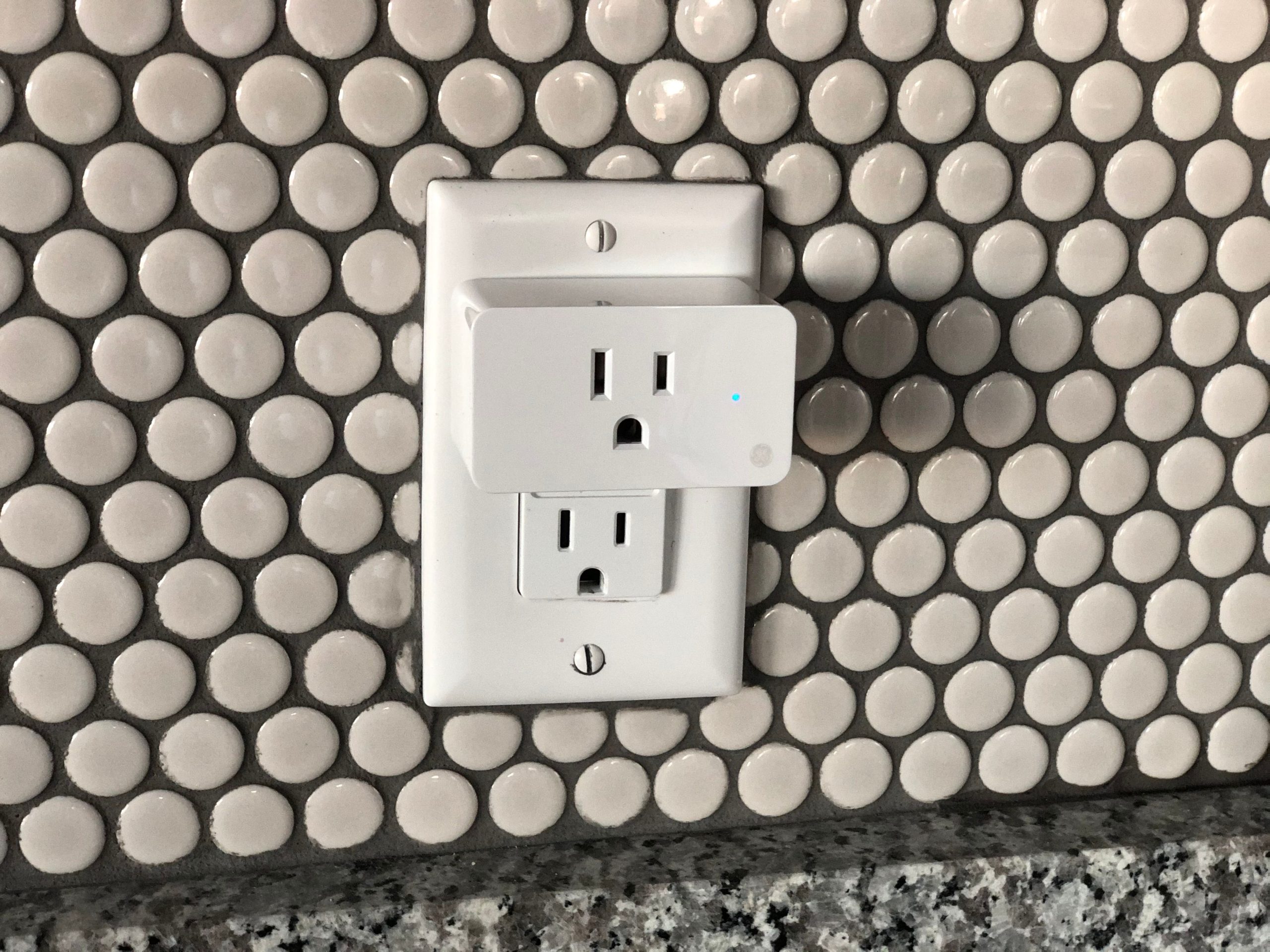
- Put your cable box, game console, and TV on the same smart power strip so you can cut all their standby draw at once with a single switch
- Turn off “instant-on” or “quick start” mode on game consoles and smart TVs — it’s the single biggest standby drain in most homes, and disabling it only costs a few extra seconds at startup
- Unplug chargers the moment you’re done with them — a charger left plugged in with nothing attached still draws a small trickle of power
- Check your router and modem for a low-power or scheduling mode if you don’t need full-speed internet running overnight
- Skip unplugging devices with a real reason to stay on — a DVR mid-recording, a fridge, or anything that resets to factory settings every time it loses power
Why This Actually Happens
- Anything with a remote, clock, or “instant-on” feature needs some power at all times. A device has to keep part of its circuitry alive to listen for a remote signal, keep time, or skip the boot-up sequence — that low-level circuitry is what draws the standby current.
- Set-top boxes are unusually bad because they’re not really “off.” Many cable and satellite boxes keep downloading programming guide updates and recording scheduled content in the background, which is why they often draw nearly as much power appearing off as they do actually on.
- It adds up because of scale, not because any one device is expensive. A single device might draw only 1 to 15 watts, but a typical home has 20 to 40 of them running 24 hours a day, 365 days a year — multiplied out, that becomes a real number on the bill.
Standby Power by Device: What’s Actually Worth Fixing
| Device | Typical Standby Draw | Est. Annual Cost* | Worth Addressing? |
|---|---|---|---|
| Cable box / DVR | 15–30W | ~$20–$40 | Yes — biggest single offender |
| Game console (instant-on) | 10–15W | ~$13–$20 | Yes — disable instant-on |
| Router / modem | 5–10W | ~$7–$13 | Usually leave on — needed for connectivity |
| TV (standby) | 1–5W | ~$1–$7 | Low priority on its own |
| Computer (sleep mode) | ~2W | ~$3 | Low priority |
| Microwave (clock only) | ~3W | ~$4 | Not worth unplugging daily |
*Estimated at a national average rate of roughly $0.16/kWh, assuming continuous 24/7 standby draw; your actual cost depends on your local electricity rate and how many hours each device really sits idle.
The Math Behind the Number
The formula is simple: Annual kWh = (Watts × 24 hours × 365 days) ÷ 1,000, then Annual Cost = Annual kWh × your rate per kWh. A cable box drawing 25 watts in standby runs 25 × 24 × 365 ÷ 1,000 = 219 kWh a year. At $0.16 per kWh, that’s roughly $35 a year for a box that’s supposedly off.
Check Your Exact Numbers
The averages above are national estimates — your actual electricity rate and exact devices will move the math. The Appliance Running Cost Calculator lets you plug in your own devices and your own rate to see precisely what your standby power is really costing you, not just a national average. It’s free at thehomepilots.com/tools.
The Step Most People Skip
Most people focus on unplugging phone chargers, which draw close to zero watts once nothing’s attached, while leaving the cable box and game console — the two actual biggest offenders — running exactly as they were. A single smart power strip on just those two devices usually saves more than unplugging every charger in the house combined.