

Induction cooktops convert roughly 85–90% of their electricity directly into heat at the pan, compared to just 32–42% for a gas burner and 70–75% for standard electric coil or radiant — but that efficiency edge only translates into real dollar savings in about half the country, since it depends entirely on your local electricity and gas rates.
The Quick Verdict
- Induction wins on efficiency everywhere, but only wins on your actual bill in areas with cheap electricity and expensive gas, like the Pacific Northwest and other hydro-powered regions
- In states with cheap natural gas and pricier electricity — California, Texas, much of the Southeast — a gas range is often still cheaper to run, even though it wastes more energy per meal
- You don’t need to replace your whole range to try it — a portable single-burner induction unit costs $40–$80, runs on a standard 120V outlet, and can pay for itself in energy savings within about two years for a regular cook
- Every pot and pan needs to be magnetic to work on induction — quick test: if a refrigerator magnet sticks firmly to the bottom of your cookware, it’ll work
- A full induction range typically needs a dedicated 220–240V circuit, the same as an electric range — if you’re switching from gas, budget for a possible electrician visit
Why the Efficiency Gap Exists
- Gas loses most of its heat to the air. An open flame heats the space around the pan as much as it heats the pan itself — most of that combustion energy escapes around the sides rather than transferring into your food, which is why a gas kitchen runs noticeably warmer.
- Electric coil and radiant elements heat an intermediate surface first. The burner or glass top has to get hot before it can transfer that heat to your cookware, and a meaningful amount escapes into the air and the cooktop’s own mass before it ever reaches the pan.
- Induction skips the middleman entirely. It uses an electromagnetic field to generate heat directly inside the metal of the pan itself — the cooktop surface barely warms on its own, which is why nearly all the energy goes straight into cooking rather than heating your kitchen.
Cost & Efficiency at a Glance
| Cooktop Type | Pan-Level Efficiency | Typical Annual Operating Cost* |
|---|---|---|
| Gas | 32–42% | $50–$120 |
| Electric coil / radiant | 70–75% | $80–$130 |
| Induction | 85–90% | $50–$80 |
*National averages for a household cooking 5–7 days a week; your actual cost depends heavily on local electricity and gas rates.
Does It Actually Save You Money Where You Live?
| Region Type | Example | Typical Winner |
|---|---|---|
| Cheap electricity, expensive gas | Pacific Northwest, hydro-powered areas | Induction, by $10–$20/yr |
| Balanced rates | Most of the Midwest, East Coast | Roughly a wash — decide on speed/safety instead |
| Cheap gas, expensive electricity | California, Texas, parts of the Southeast | Gas, by $10–$30/yr |
This is exactly why “is induction worth it” doesn’t have one universal answer — it’s a genuinely regional question tied to your specific utility rates.
Beyond the Bill: What Else Changes
- Cooking speed: induction boils water and responds to temperature changes almost instantly, closer to gas than to standard electric
- Kitchen temperature: since so little heat escapes into the air, an induction kitchen stays noticeably cooler in summer — worth factoring in if your AC is already fighting your stove’s waste heat
- Indoor air quality: gas combustion produces nitrogen dioxide (NO2) indoors, which research has linked to respiratory issues in poorly ventilated kitchens; induction has no combustion byproducts at all
- Upfront cost: full induction ranges typically start around $1,000+, plus a possible electrician visit for the 220–240V circuit if you’re switching from gas; a portable single-burner unit is the low-commitment way to test it first
Check Your Own Numbers Before Switching
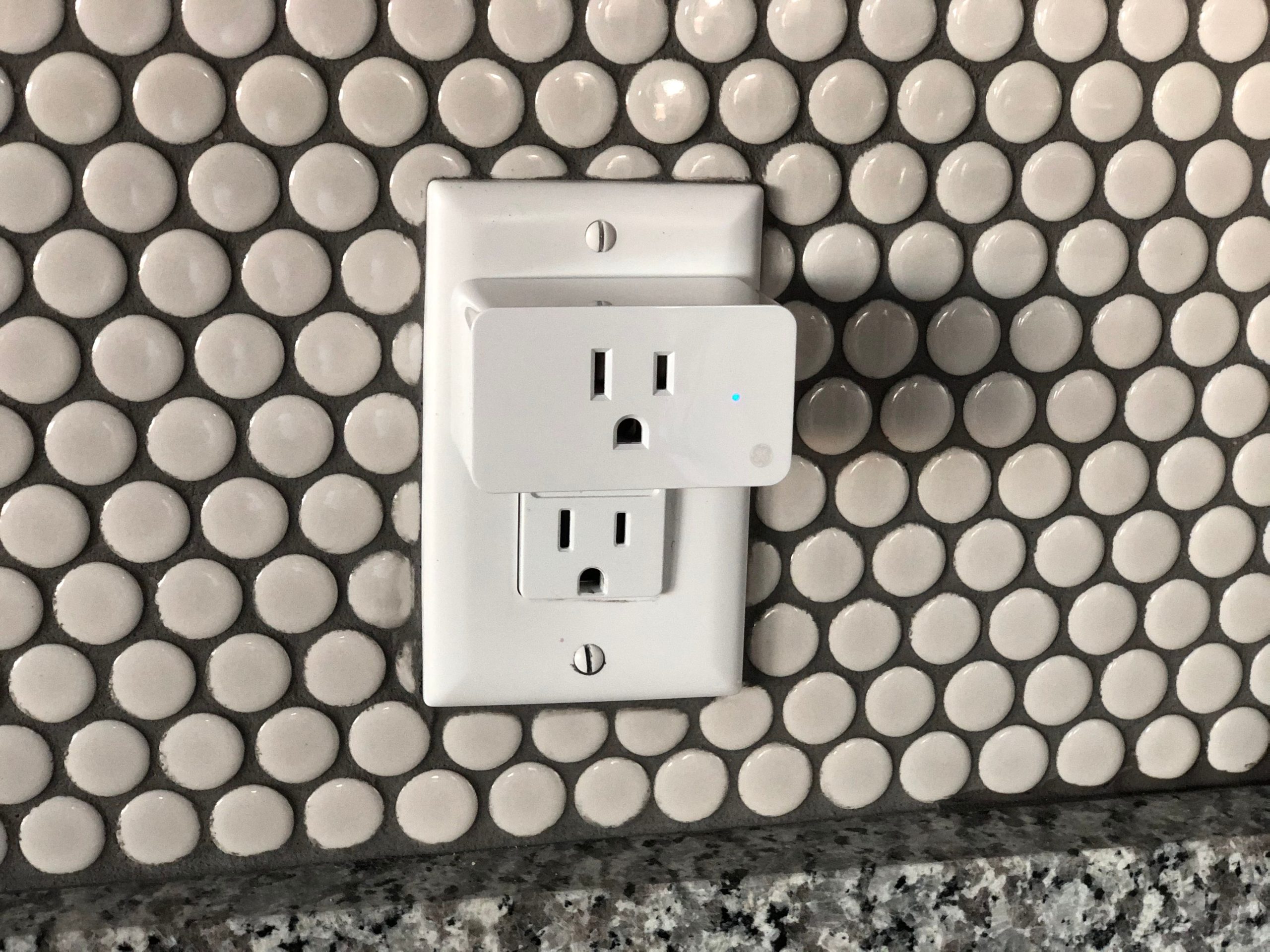
The Appliance Running Cost Calculator and Electricity Estimator — free at thehomepilots.com/tools — let you plug in your own cooking habits and utility rate instead of relying on national averages. Since electricity prices swing so much by location, it’s worth checking why the same appliance costs 4x more in some states than others first to see where you land. If you do switch, a smart plug with energy monitoring is an easy way to confirm your real usage matches the estimate. And if you’re weighing other “switch and save” upgrades around the house, our LED bulb savings breakdown runs the same kind of math.
The Step Most People Skip
Before spending $1,000+ on a full induction range, test the magnet on your existing cookware and try a $40–$50 portable single-burner unit for a few weeks. It tells you within days whether you actually like cooking on induction — the instant response takes some adjustment for lifelong gas cooks — before you commit to the range, the cookware replacement, and potentially the electrical work.