
Your portable air conditioner is cutting off within minutes because an internal safety switch — not a dying compressor — is tripping, and in the vast majority of cases the trigger is one of three things: a full condensate tank, a blocked air filter, or a voltage drop from an underrated extension cord.
The Quick Fix
- Check for a “full tank” indicator light or listen for a beeping alarm — if present, drain the internal condensate tank immediately (usually a rubber plug low on the back panel)
- Pull out the air filter and rinse it under warm water; a filter clogged with dust restricts airflow across the evaporator coil and forces the compressor to overwork
- Unplug the unit from any extension cord or power strip and plug it directly into a wall outlet
- Give the unit at least 12 inches of clearance on the back and sides, and make sure the exhaust hose isn’t kinked or compressed
- If it just shut off, wait a full 3 minutes before restarting — the compressor has a built-in delay that prevents damage from rapid cycling, and restarting immediately can trip it again
Why This Actually Happens
Three separate protection mechanisms can cause this, and the fix is different for each:
- Condensate float switch. Every portable AC pulls moisture out of the air as it cools, and that water collects in an internal pan or bucket. Once the water reaches a set level, a float switch physically lifts and cuts power to the compressor — regardless of room temperature — to stop the unit from overflowing onto your floor. This is the single most common cause of a shutoff in the first 10–20 minutes of use, especially in humid rooms.
- Thermal overload protection. The compressor has a built-in overload switch that cuts power if the motor draws too much current or runs too hot. A dirty filter or blocked intake reduces airflow across the coil, which raises head pressure and current draw until the overload trips.
- Voltage drop under load. When the compressor’s motor starts, it briefly draws two to three times its normal running current — inrush current. A light-duty extension cord, especially one too long or too thin, can’t supply that surge without a voltage drop. Some units read that dip as a fault and shut down.
Symptom-to-Fix Matrix
| Symptom | Likely Cause | Fix |
|---|---|---|
| Shuts off after 10–20 min, tank icon or beep | Condensate tank full | Drain the tank; check the drain hose for kinks |
| Shuts off randomly, no warning light | Blocked filter or restricted airflow | Rinse the filter every 2 weeks during heavy use |
| Shuts off within seconds of starting | Voltage drop from extension cord | Plug directly into the wall; use a 14-gauge or heavier cord rated 15A+ if one is unavoidable |
| Compressor clicks, won’t restart right away | Short-cycle protection (normal) | Wait 3–5 minutes, then restart |
| Runs, but air turns warm before shutoff | Low refrigerant or failing compressor | Needs professional service — not a DIY fix |
The Power Draw Behind the Problem
Most portable ACs run on a standard 115–120V household circuit, and their amperage climbs with BTU rating. The relationship is simple: Watts = Volts × Amps. Here’s roughly what that looks like in practice:
| BTU Rating | Typical Running Watts | Typical Amps (120V) | Circuit Recommendation |
|---|---|---|---|
| 8,000 BTU | ~700W | ~6A | Fine on a shared 15A circuit |
| 10,000 BTU | ~1,000–1,100W | ~9A | Shared 15A circuit, avoid other large appliances on it |
| 12,000 BTU | ~1,200–1,300W | ~11A | Dedicated 15A circuit recommended |
| 14,000 BTU | ~1,400–1,500W | ~13A | Dedicated 15–20A circuit recommended |
That inrush spike at startup — often 2–3x the running amps for a fraction of a second — is exactly what pushes an already-loaded circuit or an undersized cord past its limit. If your AC shares a circuit with a space heater, microwave, or another AC unit, that combined load is a common reason for shutoffs that have nothing to do with the unit itself.
Catch It Early With a Smart Plug
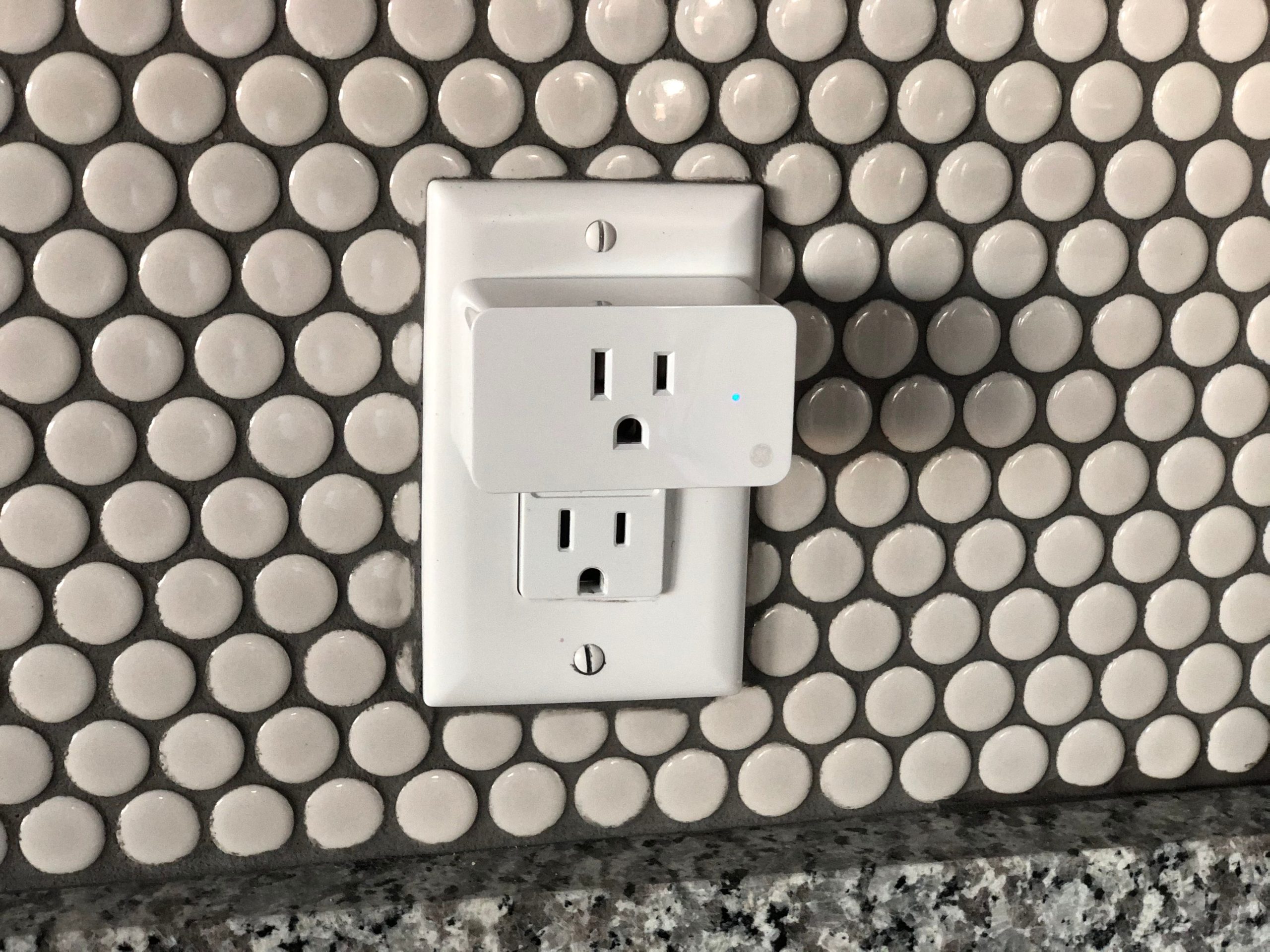
Plugging your AC into a smart plug rated for at least 15A lets you watch its real-time wattage draw from your phone, so a slowly climbing number — a warning sign of a dirty filter or aging compressor — shows up before the unit shuts off on its own. One detail that trips people up: most smart plugs only connect over 2.4GHz Wi-Fi, not 5GHz, because 2.4GHz has better range and wall penetration. If a plug won’t pair even though your internet is fine, check that you’re connecting it to your router’s 2.4GHz network, not the 5GHz band. For fully local monitoring that doesn’t depend on your internet connection at all, a Zigbee or Z-Wave smart plug paired with a hub executes locally, so it keeps reporting and can still trip a safety routine even if your Wi-Fi goes down.
Check Your Real Numbers Before You Do Anything Else
Before you assume the unit is undersized or dying, run your actual numbers instead of guessing:
- The Appliance Running Cost Calculator shows what a unit that’s cycling on and off is really costing you in wasted power
- The AC BTU Calculator confirms whether your unit is even sized correctly for the room — an undersized AC runs longer, works harder, and shuts off more often trying to keep up
Both are free at thehomepilots.com/tools, and if the numbers point to a unit that’s simply outmatched by the room, our HomePilot Picks page has the models we’d actually buy.
The Step Most People Skip
Even self-evaporative portable ACs, the ones marketed as “no draining required,” still have a manual drain plug on the back for high-humidity conditions — check yours even if you’ve never used it. In humid climates, self-evaporation can’t keep up, and that plug is often still factory-sealed and never opened, which means the internal tank fills faster than expected and trips the float switch on a schedule that looks random but isn’t. Open it, drain it once, and see if the shutoffs stop before you spend money on anything else.