

Last updated October 26, 2026. Reviewed by the HomePilot editorial team.
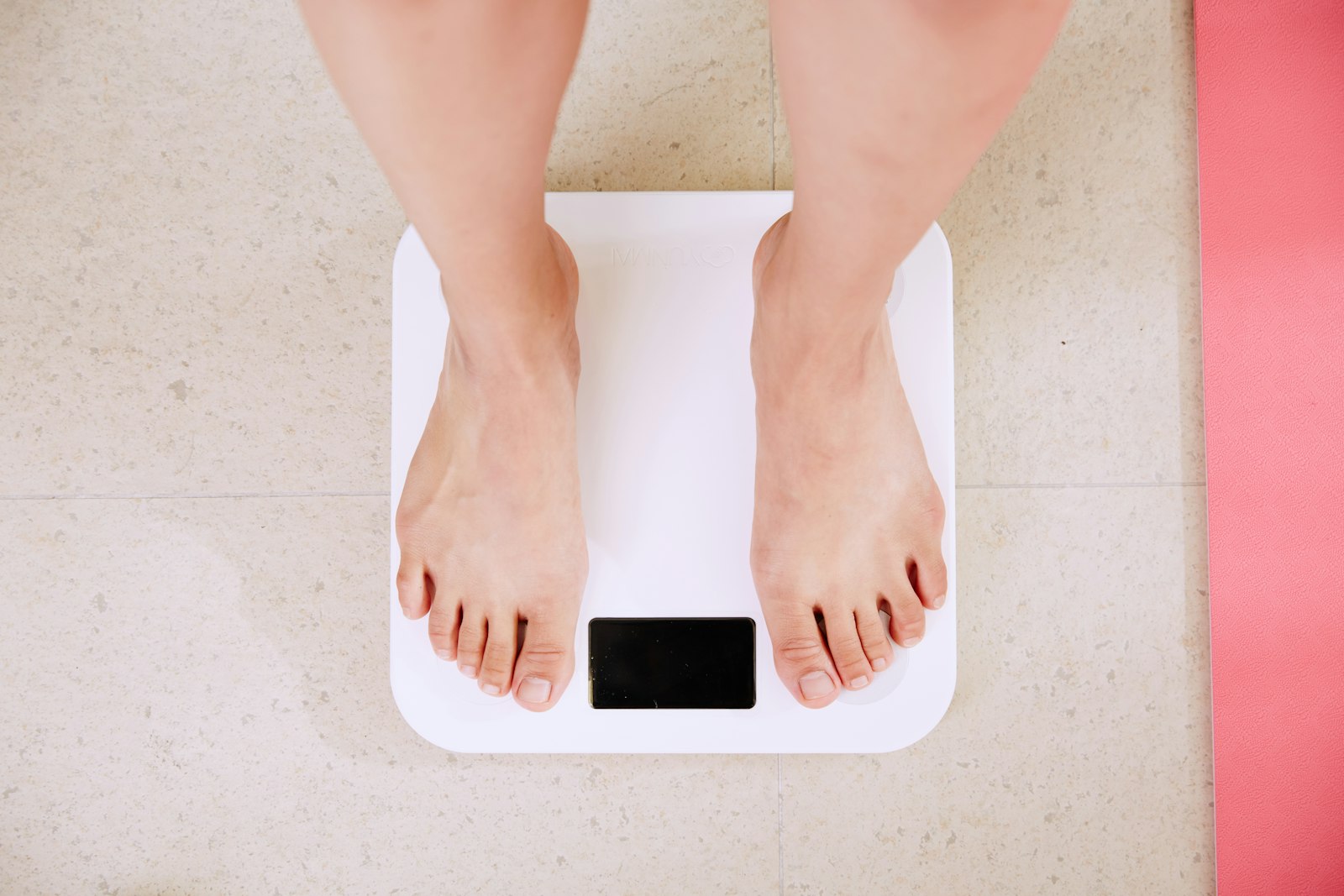
The Renpho smart scale has become one of Amazon’s most reviewed home devices, with over 350,000 five-star ratings, and at $19.99 on sale, it is easy to see why people keep buying it. The weight reading is reliably accurate. The other twelve numbers on the app, body fat, muscle mass, bone density, are a different story.
What It Actually Measures
Renpho uses bioelectrical impedance analysis, or BIA, sending a tiny, imperceptible electrical current through your feet and estimating body composition based on how quickly it travels through fat versus muscle tissue. This is the same underlying technology used in far more expensive scales, the difference is mostly in sensor quality and calibration, not the core method.
How Accurate Is Accurate?
Independent testing comparing consumer BIA scales against DEXA scans, the clinical gold standard for body composition, found constant error ranges from about -3.5% to +11.7% on body fat readings, depending on the device and the individual. In practice, this means a Renpho reading can land 5 to 8 percentage points off from a clinical scan, and BIA scales in general tend to overestimate body fat more in people with a higher BMI.
The Number That Actually Matters
A single morning’s reading is mostly noise. Hydration levels, when you last ate, foot contact with the electrodes, and even the time of day can all shift the number meaningfully. What is genuinely useful is the trend over several weeks rather than any individual reading. If a reading drifts consistently in one direction across a couple of months, that trend carries real signal, even when the exact percentage on any single day is not clinically precise.
Who It Is Actually Good For
For casual, long-term weight and trend tracking, the Renpho is a genuinely solid pick at this price, and it syncs with most major health apps. If you need clinically precise body composition numbers for athletic training or a medical reason, this is not that tool, a DEXA scan or professional-grade equipment is worth the extra cost instead.
How to get more consistent readings
Because the number moves with small changes, the best way to trust a body-fat scale is to weigh in the same way every time.
- Weigh in at the same time each day, ideally in the morning after using the bathroom and before eating or drinking.
- Stand barefoot with clean, dry feet so the electrodes make good contact.
- Keep the scale on the same hard, flat floor. Carpet can affect the reading.
- Avoid weighing right after exercise, a hot shower or a big meal, since hydration changes the result.
- Look at the weekly average, not one day. Weekly averages smooth out the noise.
What the other numbers really mean
| Number | How to read it |
|---|---|
| Weight | The most reliable figure on the scale |
| Body fat % | An estimate. Use the trend, not the exact value |
| Muscle mass | An estimate based on the same electrical signal |
| Body water | Changes with hydration from day to day |
| Visceral fat, bone mass | Rough estimates that BIA scales cannot measure directly |
| Metabolic age | A marketing number. Do not give it much weight |
Who should be careful
Body-fat scales send a small electrical current through your body. Manufacturers generally advise that people with a pacemaker or another implanted medical device should not use them, and they usually advise against use during pregnancy. If either applies to you, check the product’s instructions and ask your doctor first.
Simple ways to cross-check
- Measure your waist with a tape measure once a month. It is cheap and tracks changes well.
- Notice how your clothes fit. It often shows progress before the scale does.
- If you need an accurate number for a medical or athletic reason, ask about a DEXA scan, the clinical standard.
For more simple tech explainers, see our latest articles on the blog. The accuracy figures above come from the independent tests listed in the sources below.
Frequently asked questions
Is the Renpho scale body fat reading accurate?
Weight is reliable, but body fat is an estimate. Independent testing against DEXA scans found constant error ranges from about -3.5 to +11.7 percent, so a reading can land 5 to 8 percentage points off.
How does the Renpho scale measure body fat?
It uses bioelectrical impedance analysis, sending a tiny electrical current through your feet and estimating body composition from how quickly it travels through fat versus muscle.
How can I get more consistent readings from a body fat scale?
Weigh in at the same time each day, ideally in the morning after using the bathroom and before eating or drinking. Stand barefoot with dry feet, keep the scale on the same hard, flat floor and look at the weekly average, not a single day.
Sources
- Live Science, Renpho Smart Scale Review
- BodySpec, Renpho Smart Scale vs. DEXA Accuracy Comparison
- Tom’s Guide, Renpho Smart Body Fat Scale Review
Last Updated: October 2026

