
Last updated November 11, 2026. Reviewed by the HomePilot editorial team.
It is 3 a.m., and something in the hallway chirps once every 30 seconds. You swap the battery. It chirps again. Before you rip it off the wall, here is the fact that surprises most people: carbon monoxide alarms expire.
Safety first: if the alarm is sounding its full alarm pattern, or anyone in the home has a headache, dizziness or nausea, get everyone outside to fresh air and call 911. Do not stop to investigate.
Short answer: a single chirp every 30 to 60 seconds is usually a low-battery or end-of-life warning, not a sign of carbon monoxide. If a fresh battery does not stop your carbon monoxide alarm chirping, the alarm has most likely reached the end of its life, which is typically 7 to 10 years depending on the model. Kidde says an alarm in end-of-life mode does not detect carbon monoxide, so replace it promptly.
What does each carbon monoxide alarm sound mean?
Sound patterns differ by brand, so your manual has the final word. These examples come from Kidde and First Alert documentation.
| Signal | What it usually means | What to do |
|---|---|---|
| Loud, repeating beeps, such as four beeps, a pause, then four more (First Alert example) | Carbon monoxide detected | Leave the home and call 911 |
| One chirp per minute (First Alert example) | Low battery | Replace the battery, or the alarm if it has a sealed battery |
| A quick beep every 30 seconds with a flashing red light (Kidde example) | End of life | Replace the alarm, because a new battery will not stop it |
| Five chirps per minute and “End” on the display (First Alert example) | End of life | Replace the alarm |
| “Err” on the display (First Alert example) | Sensor error | Replace the alarm |
How long do carbon monoxide alarms last?
Kidde recommends replacing carbon monoxide and combination alarms every 7 to 10 years, depending on the model. Older alarms were often rated for 5 to 7 years, and some newer ones run 10 years, such as a First Alert model that says to replace it 120 months after installation. Underwriters Laboratories began requiring an end-of-life warning in 2009, so most alarms made since then can tell you when time is up. The sensor loses performance as it ages, which is why a battery swap cannot fix an expired alarm.
What to do when your carbon monoxide alarm chirps
- Rule out an emergency. A loud, repeating alarm, or symptoms such as headache or dizziness, means leave and call 911.
- Check the date. Look for the manufacture or install date on the back of the alarm or in the manual.
- Replace the battery if the alarm uses a replaceable one.
- Still chirping? It has most likely reached the end of its life. Replace the whole alarm.
- Test the new alarm with its test button, then test it monthly.
- Cover every level. NFPA recommends alarms on every level of the home and near each sleeping area.
What to look for in a replacement
- A UL 2034 listing, the standard carbon monoxide alarms are tested to.
- An end-of-life warning, which newer alarms include but which is worth confirming.
- A sealed 10-year battery if you want to skip battery changes.
- A digital display, which can show CO levels and messages such as “Err” or “End”.
Why it matters
Carbon monoxide is invisible and odorless, so you rely entirely on the alarm’s sensor. Reports citing the CDC and NFPA put unintentional carbon monoxide poisoning from leaking heaters, furnaces and stoves at about 400 deaths a year in the U.S. Chirping smoke alarms are a separate puzzle, which we cover in our guide to why smoke alarms chirp.
Frequently asked questions
Why is my carbon monoxide detector chirping after I changed the battery?
It has probably reached the end of its life. End-of-life chirps do not stop with a new battery, and the alarm needs to be replaced.
How long do carbon monoxide alarms last?
Most last 7 to 10 years, depending on the model. Older units may be rated for 5 to 7 years, so check the date and the manual.
Does a chirping carbon monoxide alarm mean there is carbon monoxide?
Usually not. A single chirp every 30 to 60 seconds is typically a battery or end-of-life signal, while carbon monoxide triggers the loud, repeating alarm. If anyone feels unwell or you are unsure, go outside and call 911.
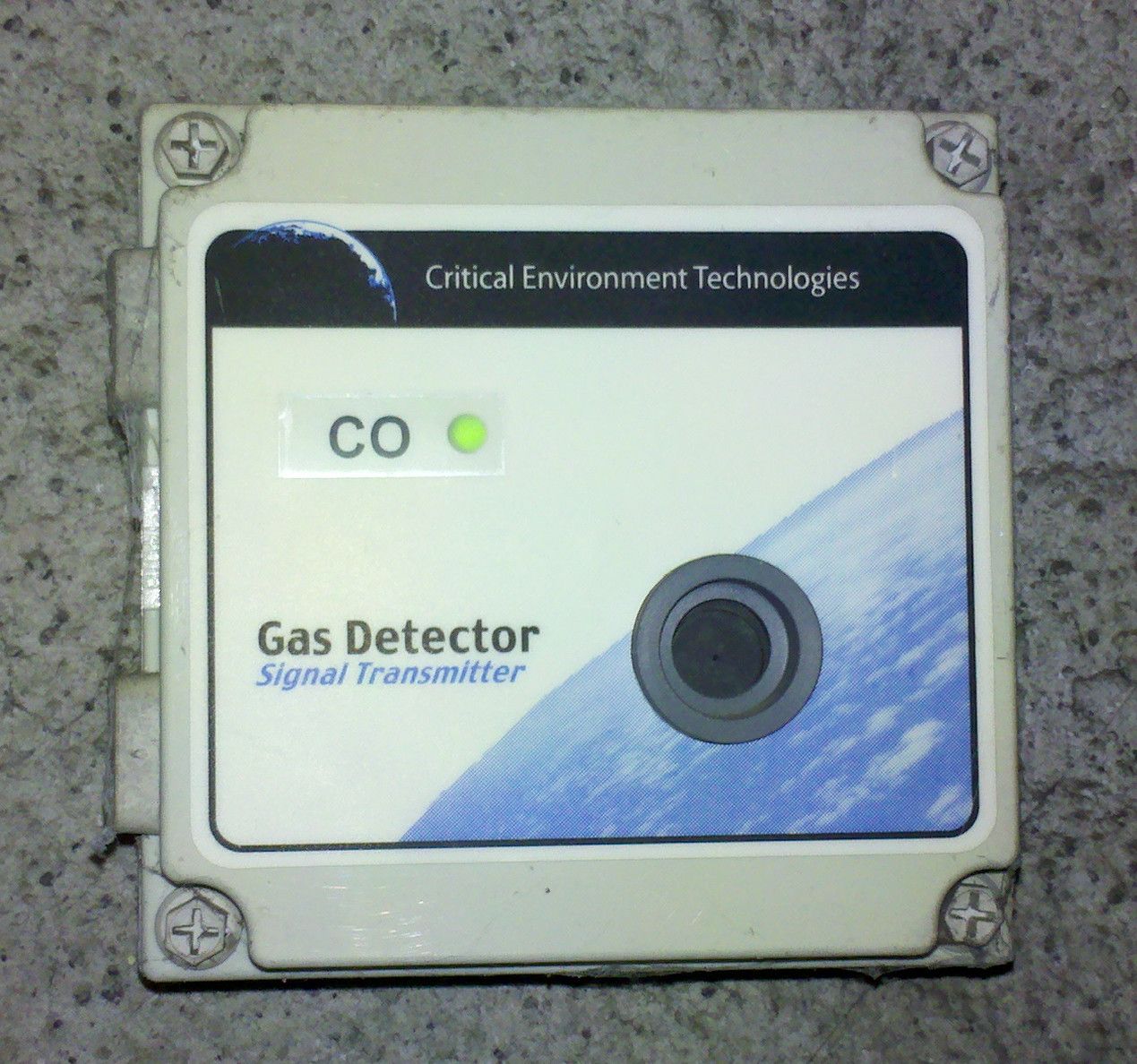
Featured photo: 384 via Wikimedia Commons, licensed CC BY-SA 4.0.