

Portable AC BTU Sizing for a Hot Top-Floor Bedroom (Add 10% or More, Then Check the Rating)
Top-floor bedrooms need 10% to 20% more cooling. Learn why, how to use SACC ratings, and the exact BTU math with a worked example.
Top-floor bedrooms need 10% to 20% more cooling. Learn why, how to use SACC ratings, and the exact BTU math with a worked example.
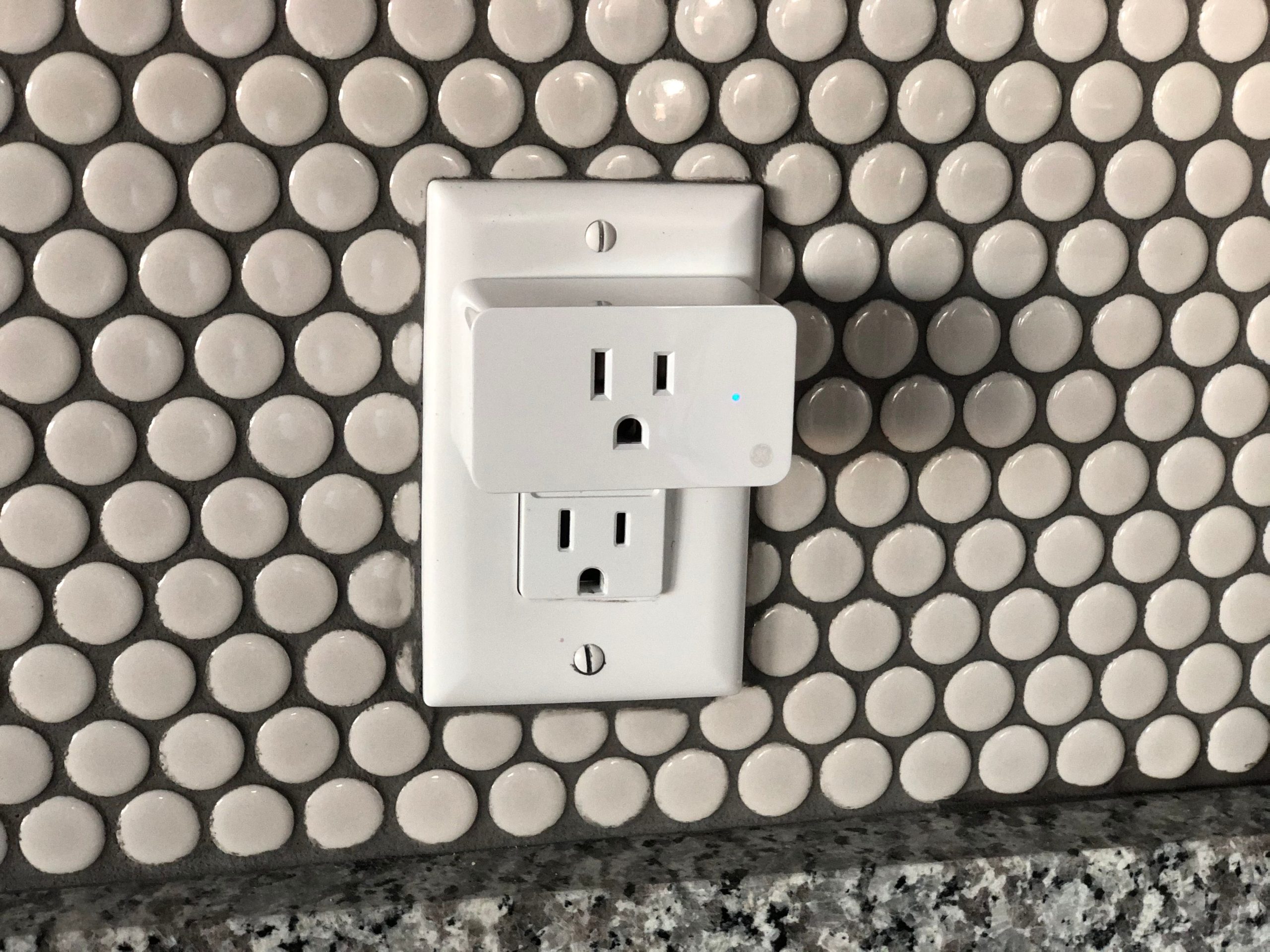
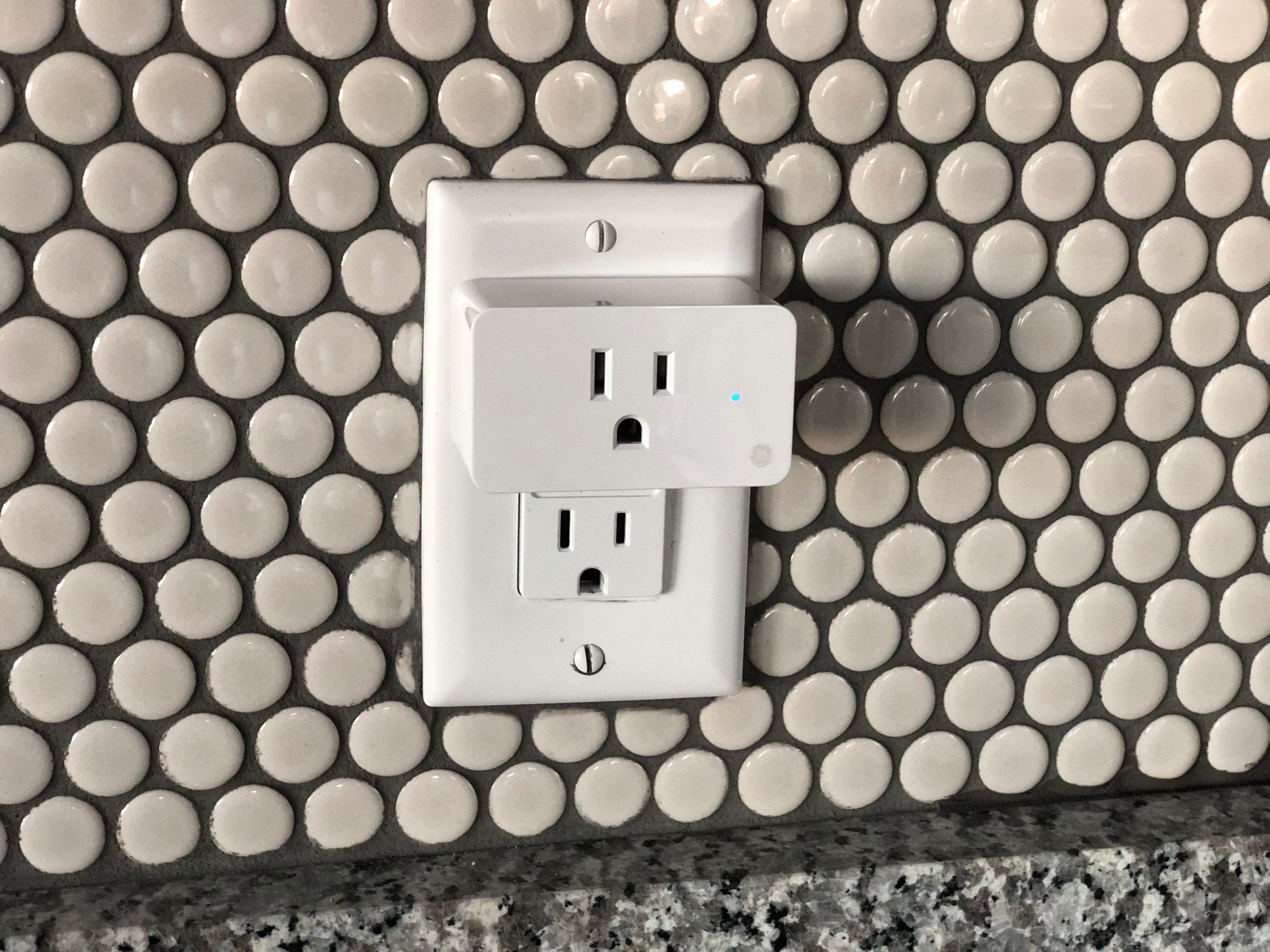
Yes, smart plugs draw standby power. See Wi-Fi vs Zigbee standby watts and the exact yearly cost at 16 and 30 cents per kWh.
Do Smart Plugs Use Electricity When They Are Off? Yes, and Here Is the Exact Cost Read Post »

A 1,500W space heater running all night costs $1.92 to $3.60 a night. See the monthly math at 16 and 30 cents per kWh, plus how to cut it.
What Does a Space Heater Cost to Run 8 Hours a Night? (At 16 vs 30 Cents per kWh) Read Post »

A mini fridge has no standby mode. See the real average watts and yearly cost of 3.2 cu. ft. models at 16 and 30 cents per kWh.
Your Mini Fridge Has No Standby Mode: What It Really Costs to Run Read Post »
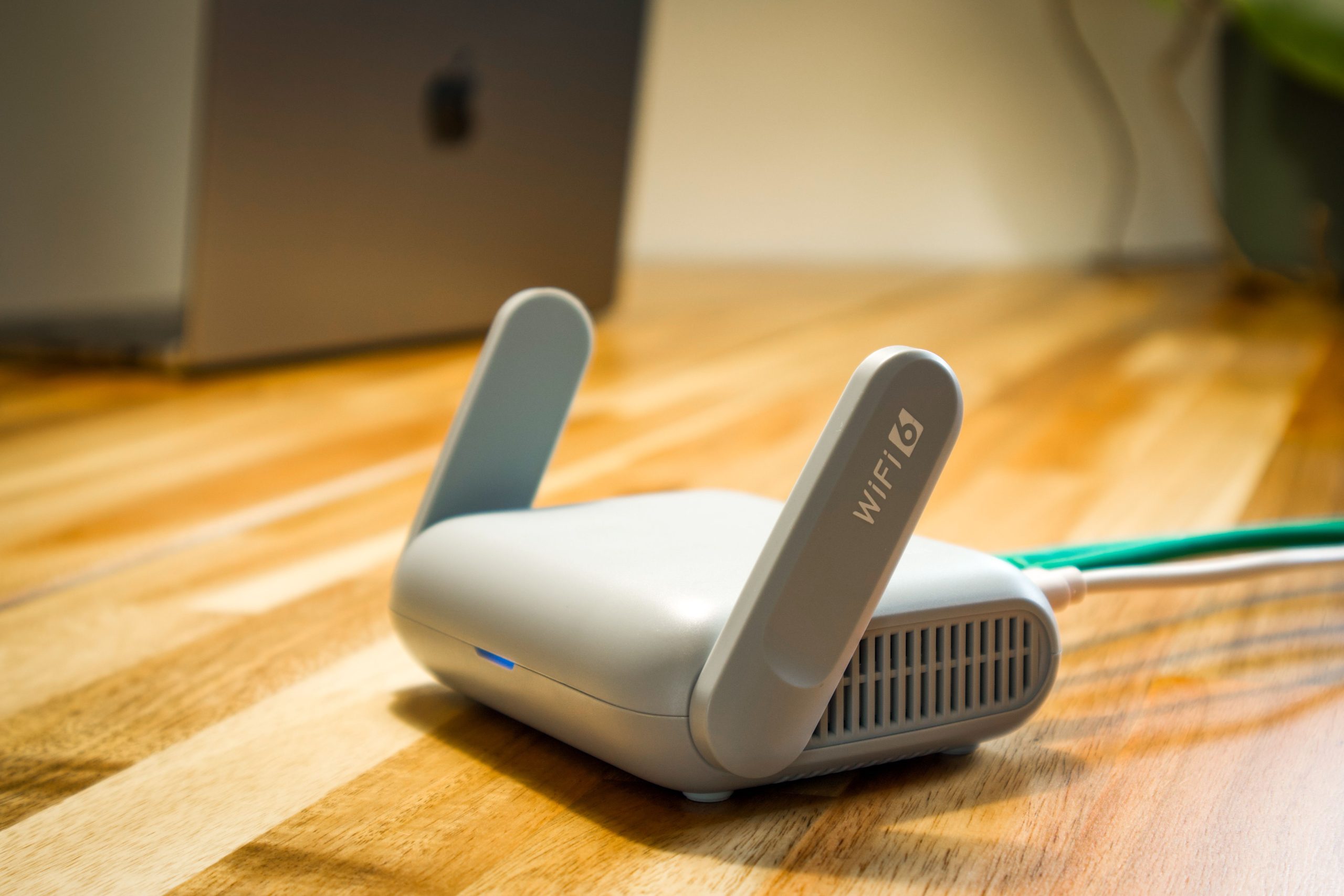
A 1-gigabit internet plan and a 100 Mbps plan will play the exact same 4K Netflix episode without a single
How Much Internet Speed Do You Actually Need? (Clearing Up the ISP Upsell) Read Post »
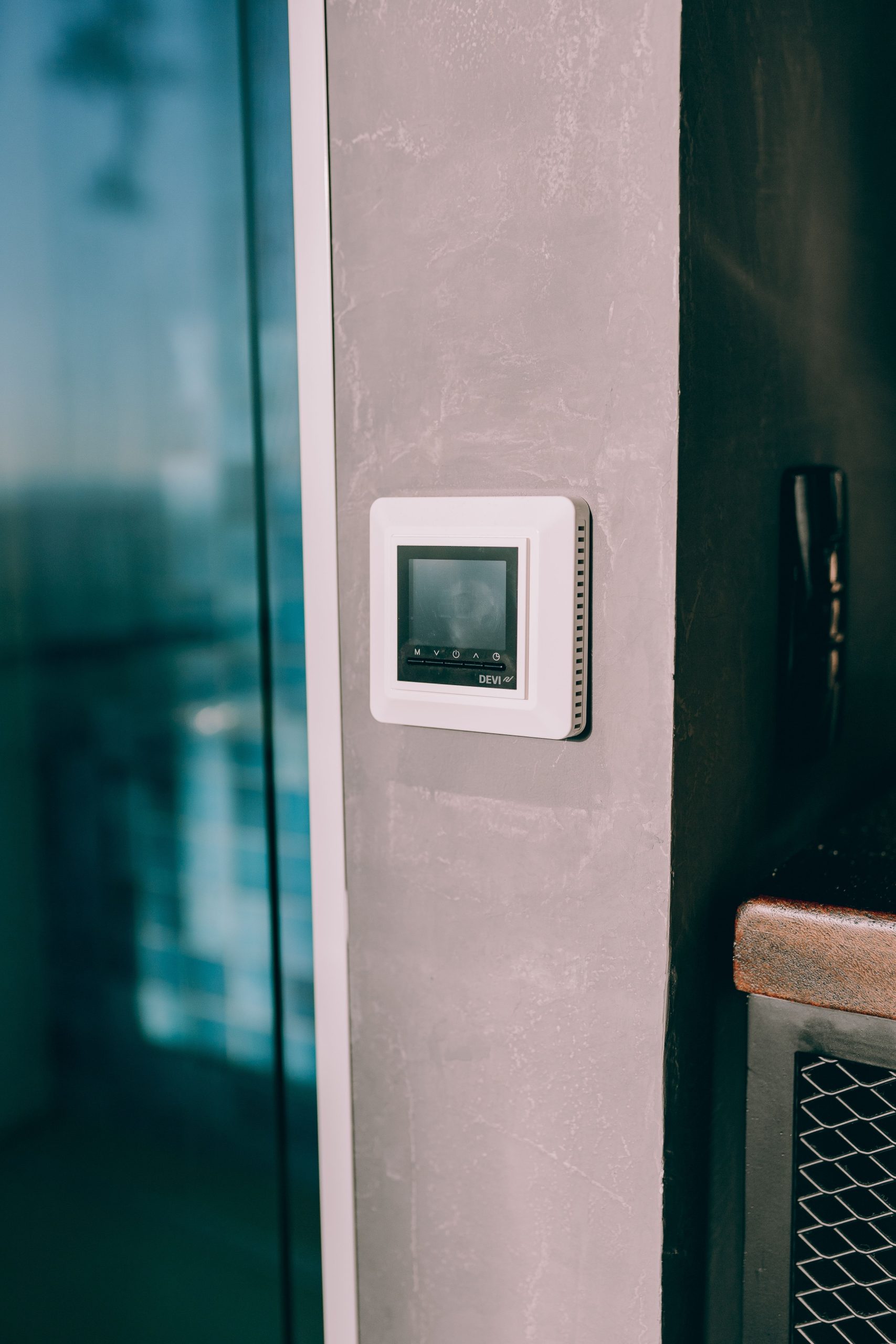
Smart thermostat ads are aimed at a 2,800-square-foot house with a finished basement, and the savings percentage on the box
Are Smart Thermostats Worth It in a Small Apartment? The Real Math (Not the Marketing) Read Post »
A portable air conditioner and a window unit with the exact same number stamped on the box can use close
Portable AC vs. Window AC vs. Mini-Split: What Each One Actually Costs to Run Read Post »
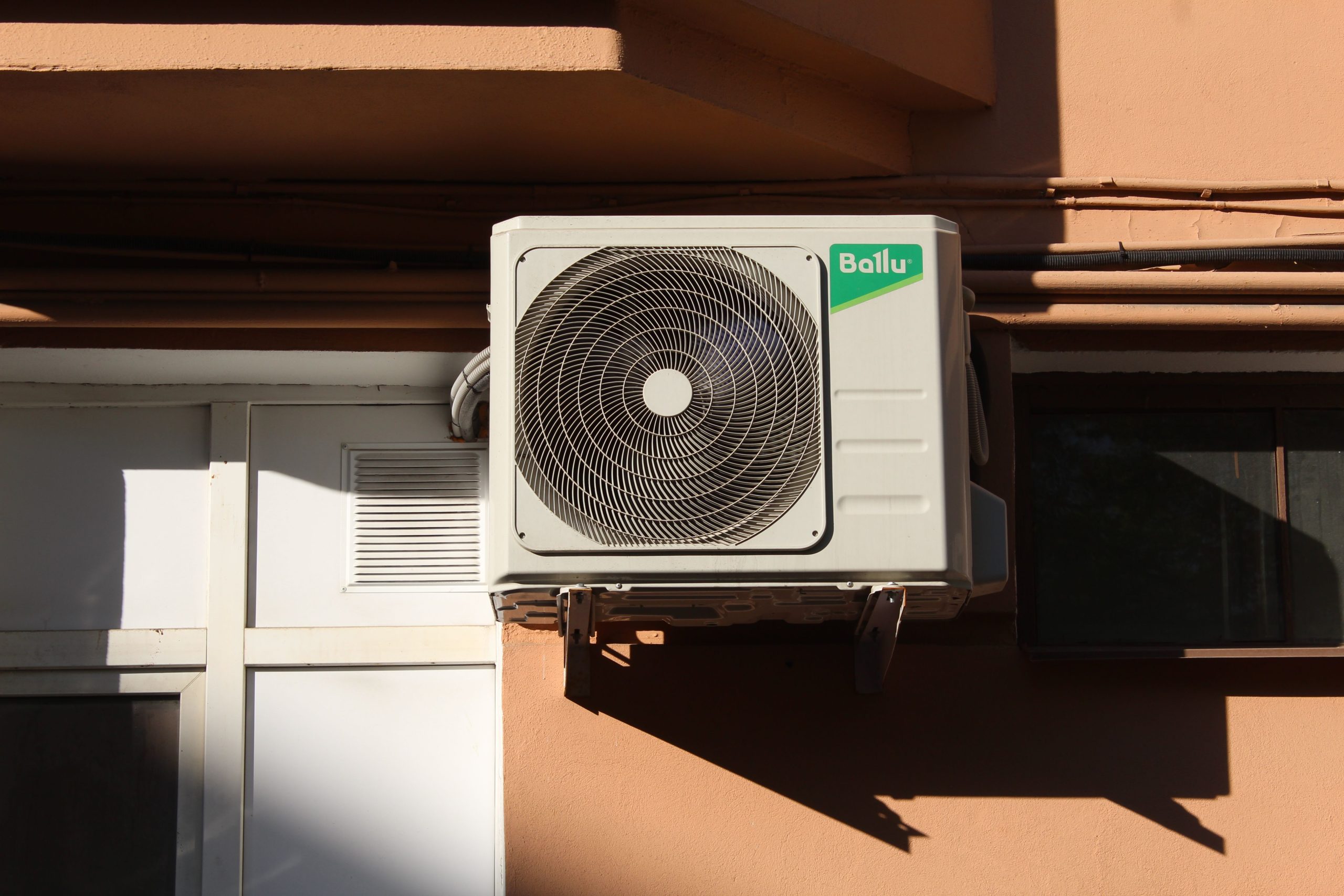
An air conditioner that’s too big for your room doesn’t cool it faster — it actually leaves the space colder
How Many BTUs Do You Actually Need? The Real AC Sizing Chart (Not Just Square Footage) Read Post »
Induction cooktops convert roughly 85–90% of their electricity directly into heat at the pan, compared to just 32–42% for a
Is Induction Actually Worth It? The Real Energy Savings, by State Read Post »
Standby power — electricity your devices draw even when they’re switched “off” — costs the average U.S. household $100 to
The Hidden ‘Vampire Power’ Costing You Up to $200 a Year (And How to Find It) Read Post »