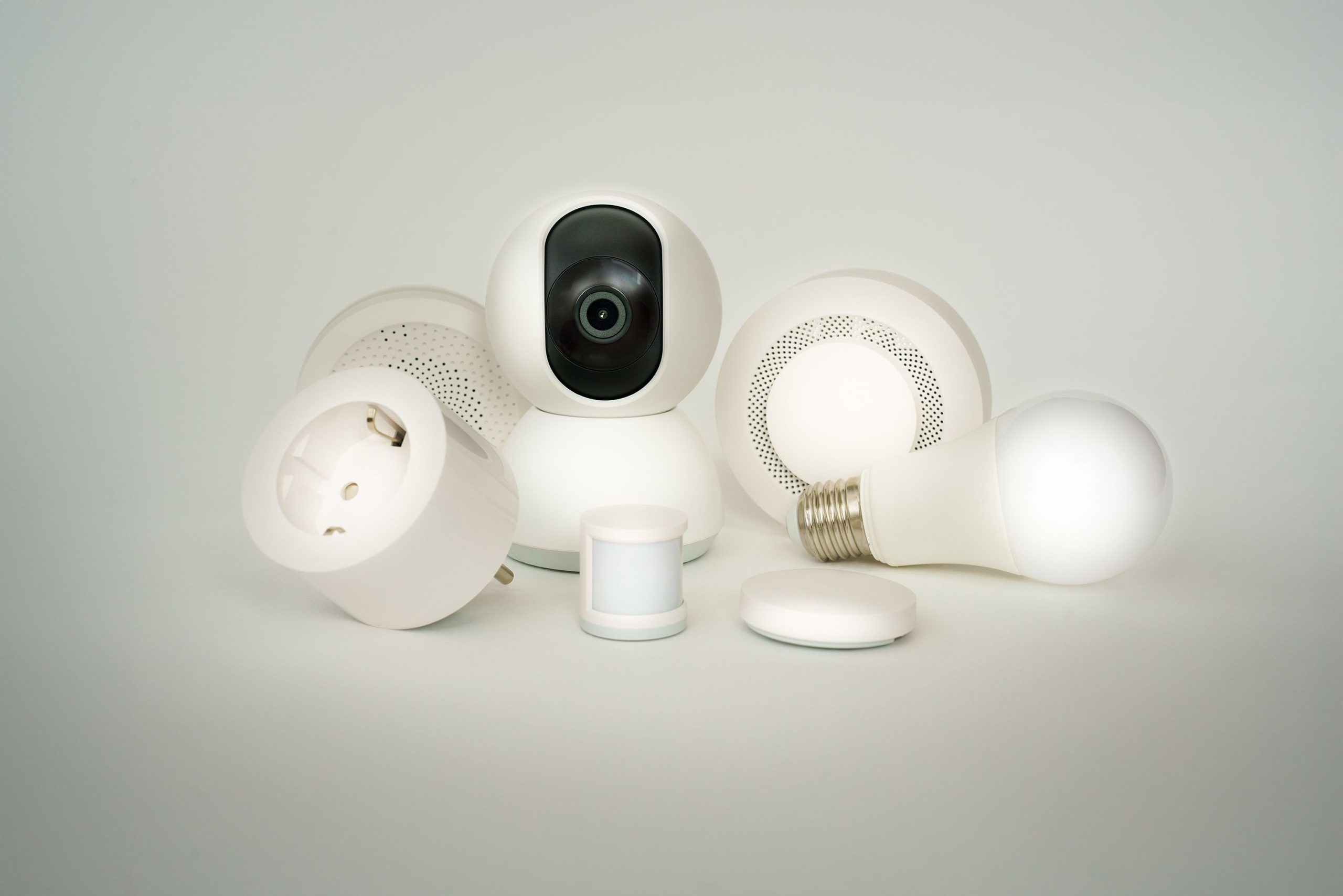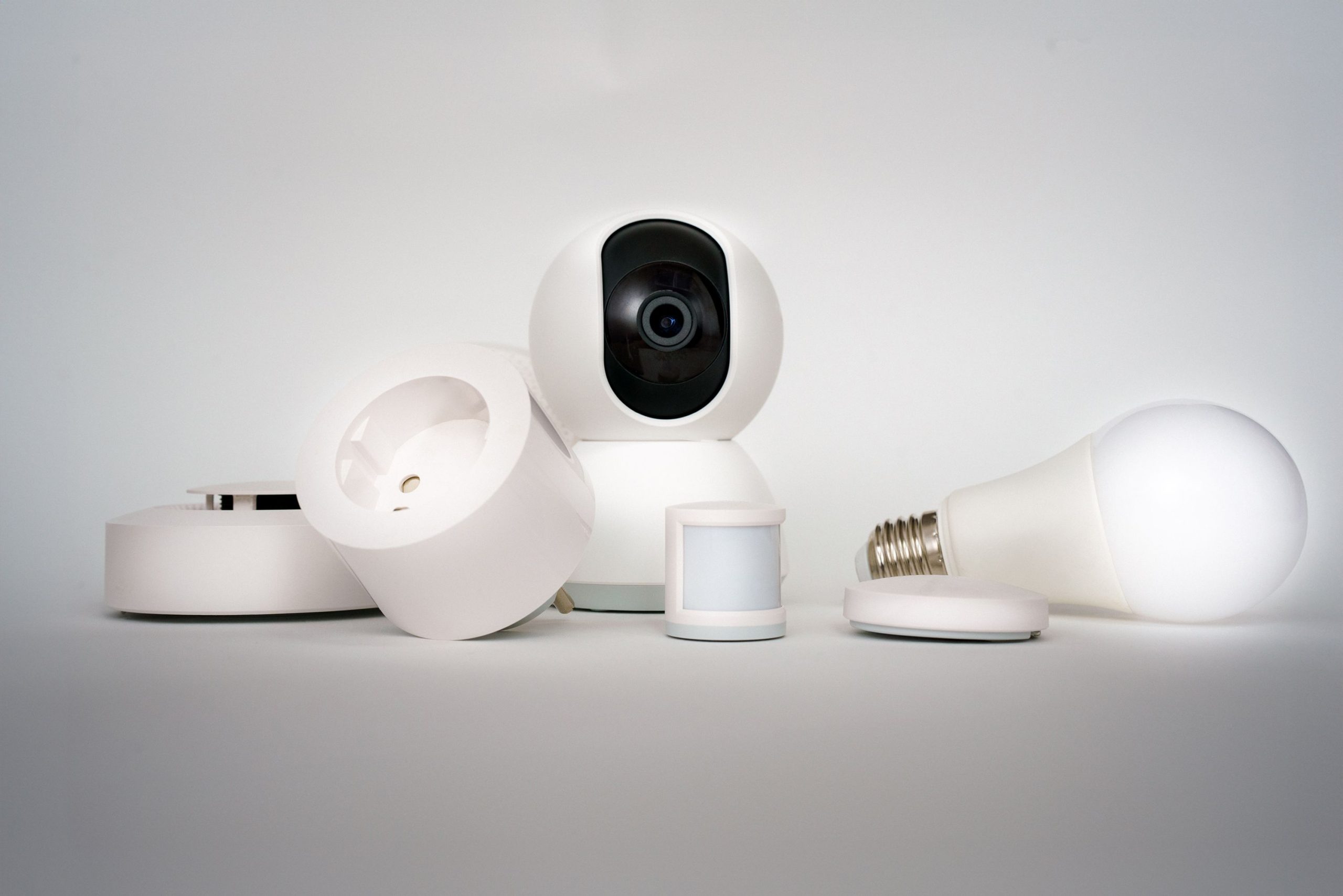
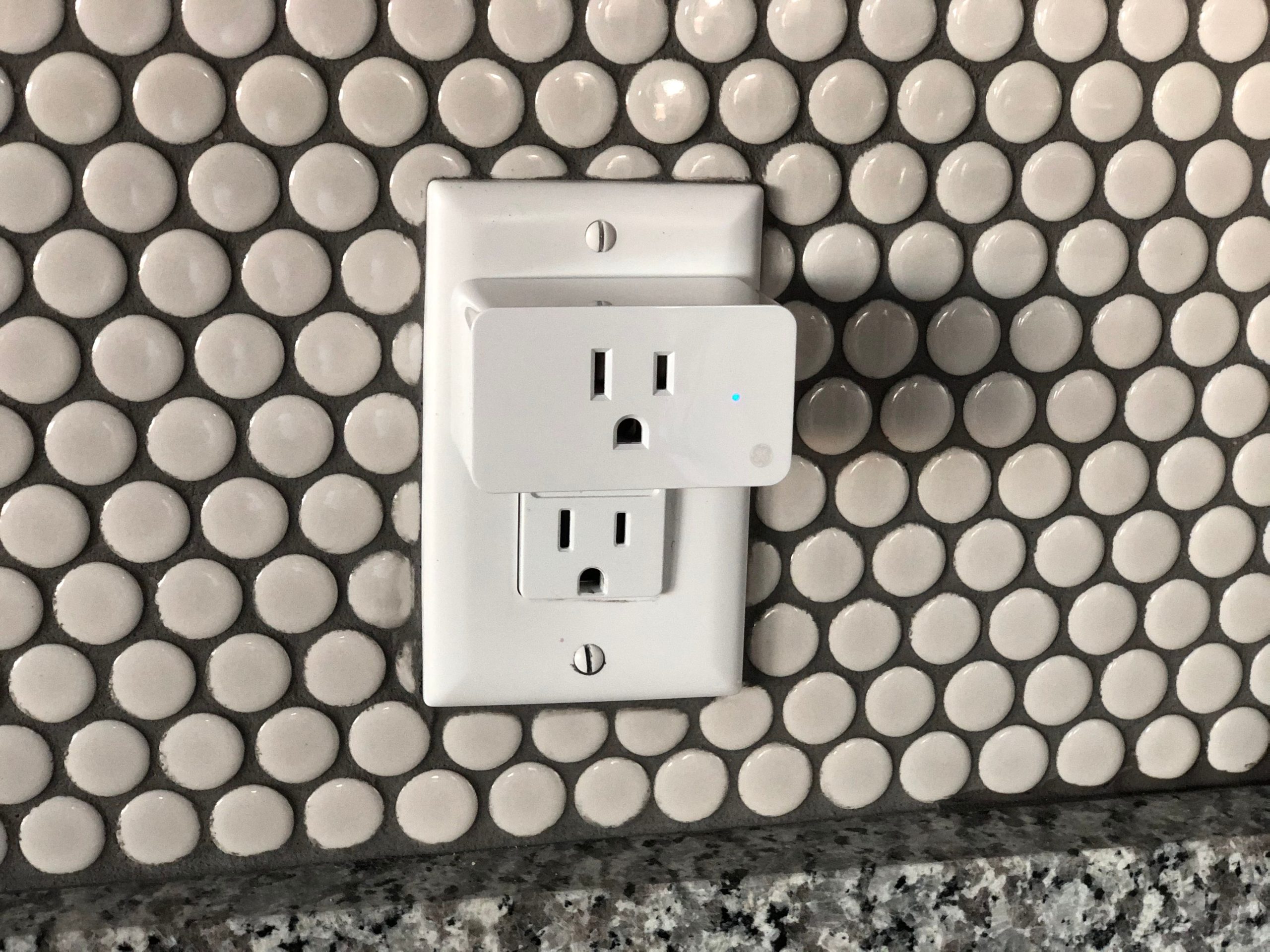

You tap “off.” The lamp goes dark. The app agrees. But inside the smart plug in the wall, a tiny radio is wide awake, waiting for your next command, and it is quietly sipping power to do it.
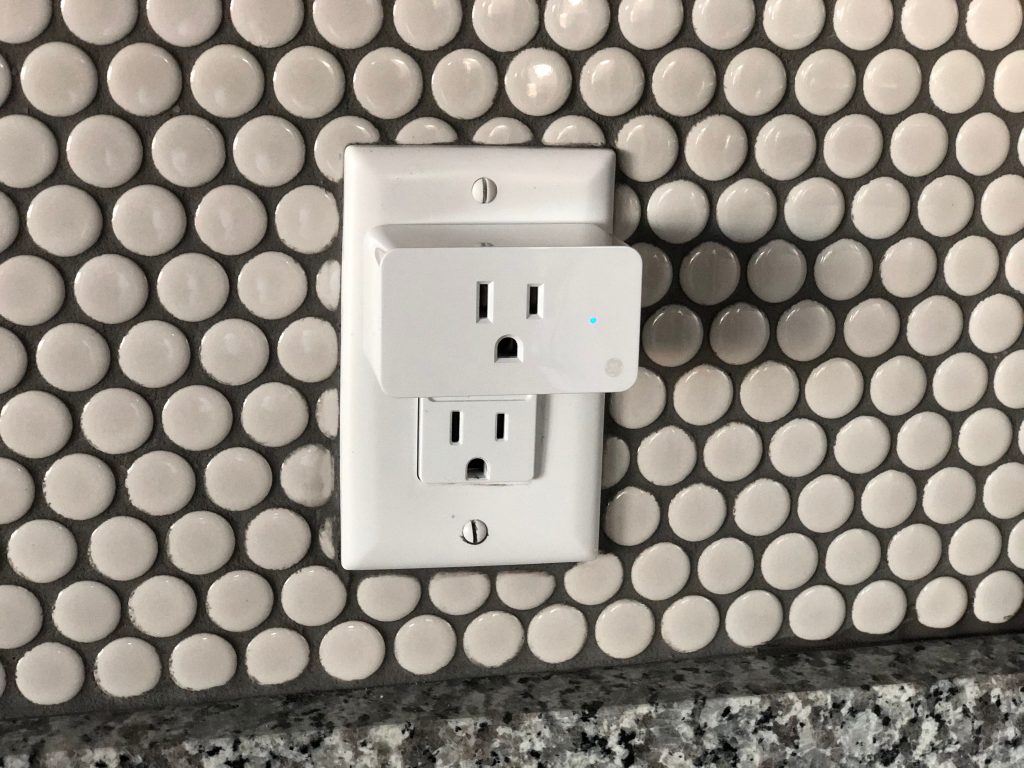
Yes, “Off” Isn’t Really Off
When you turn a smart plug off, it opens an internal switch (a relay) that cuts power to whatever is plugged into it. But the plug’s own electronics, meaning the radio chip and a small power supply, have to stay powered. If they slept, the plug could never hear you say “turn on.” That constant low draw is standby power, the same phantom load that comes from any device that is off but ready.
How Much Does It Use? Wi-Fi vs Zigbee
The draw depends on the radio inside. Low-power radios like Zigbee generally sip less than Wi-Fi. In one GE comparison of home-network communication modules, Zigbee averaged about 0.39 watts over 24 hours while Wi-Fi averaged about 0.87 watts, roughly 2.2 times as much. Individual plugs vary by model, so the ranges below are estimates, not guarantees:
| Plug type | Typical standby draw | kWh per year | Cost per year at $0.16 | Cost per year at $0.30 |
|---|---|---|---|---|
| Zigbee | about 0.3 to 0.5 W | 2.6 to 4.4 | $0.42 to $0.70 | $0.79 to $1.31 |
| Wi-Fi | about 0.8 to 1.5 W | 7.0 to 13.1 | $1.12 to $2.10 | $2.10 to $3.94 |
The formula: watts x 8,760 hours / 1,000 = annual kWh, then multiply by your rate. So at the U.S. average-ish rate of 16 cents, a Zigbee plug costs well under a dollar a year to stay awake, and even a hungry Wi-Fi plug costs a couple of dollars.
The Plot Twist: The Plug Isn’t the Problem
What matters far more than the plug’s own appetite is what you put on the other end of it. A smart plug that shuts off a cable box saves many times more than it consumes. Here are typical standby draws for common devices, and what that standby costs per year at 16 cents if it runs around the clock:
| Device on the plug | Typical standby draw | Cost of that standby per year | Worth a smart plug? |
|---|---|---|---|
| Cable box or DVR | 15 to 30 W | $21 to $42 | Yes, the best candidate |
| Game console (instant-on) | 10 to 15 W | $14 to $21 | Yes, if you can’t turn off instant-on |
| TV | 1 to 5 W | $1.40 to $7 | Marginal |
| Lamp or fan with a plain switch | about 0 W | $0 | Only for convenience |
That last row is where smart plugs quietly backfire on the bill. Put one on a lamp that draws nothing when off and you have added a dollar or two a year for zero savings. That is a fair price for voice control or a schedule, as long as you are not expecting it to pay for itself.
How to Keep the Cost Near Zero
- Put smart plugs on devices that actually have a big standby draw, like set-top boxes and consoles
- Run several devices from one smart plug (or a smart power strip) instead of one plug per device
- Choose low-power radios where you can, and measure with an energy-monitoring plug if you want real numbers
- Skip plugs on anything that draws nothing when off, unless you want the convenience
Want to know whether the energy-monitoring kind pays off? We tested that question in Do Smart Plugs With Energy Monitoring Actually Save You Money? And if your plug ever shows offline while still powering your device, see why that happens.
Do the Math for Your House
The Appliance Running Cost Calculator, free at thehomepilots.com/tools, lets you enter a device’s wattage, hours, and your own electricity rate. To hunt down the big standby offenders first, start with our guide to vampire power.
The Bottom Line
A smart plug costs about a dollar or two a year to stay awake. Whether that is a bargain depends entirely on what you ask it to guard.