
Last updated October 31, 2026. Reviewed by the HomePilot editorial team.
The sky turns orange, air quality alerts start pinging your phone, and everyone rushes to buy the first air purifier they can find. But according to the U.S. Environmental Protection Agency, that purifier is not actually your first line of defense. Most people have this backwards.
What the EPA Actually Recommends First
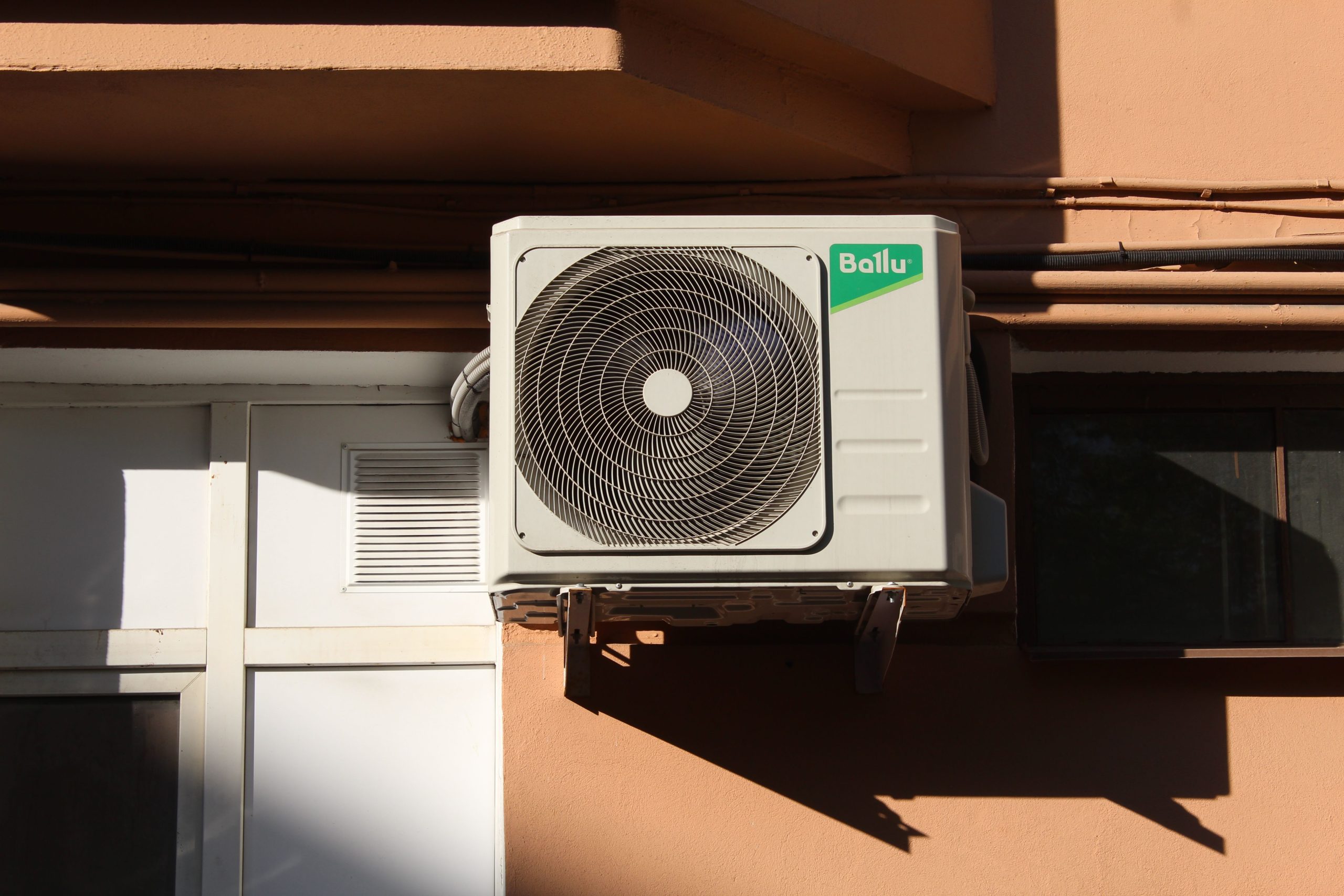
The EPA is explicit that indoor air purification is a secondary strategy, not the primary one. The primary strategy is sealing your home: closing windows and doors, shutting outside air intakes on your HVAC system, and switching your air conditioner to recirculate mode instead of pulling in outside air. An air purifier helps clean the air that is already inside, it does nothing to stop more smoke from getting in through a cracked window or an HVAC system pulling outdoor air.
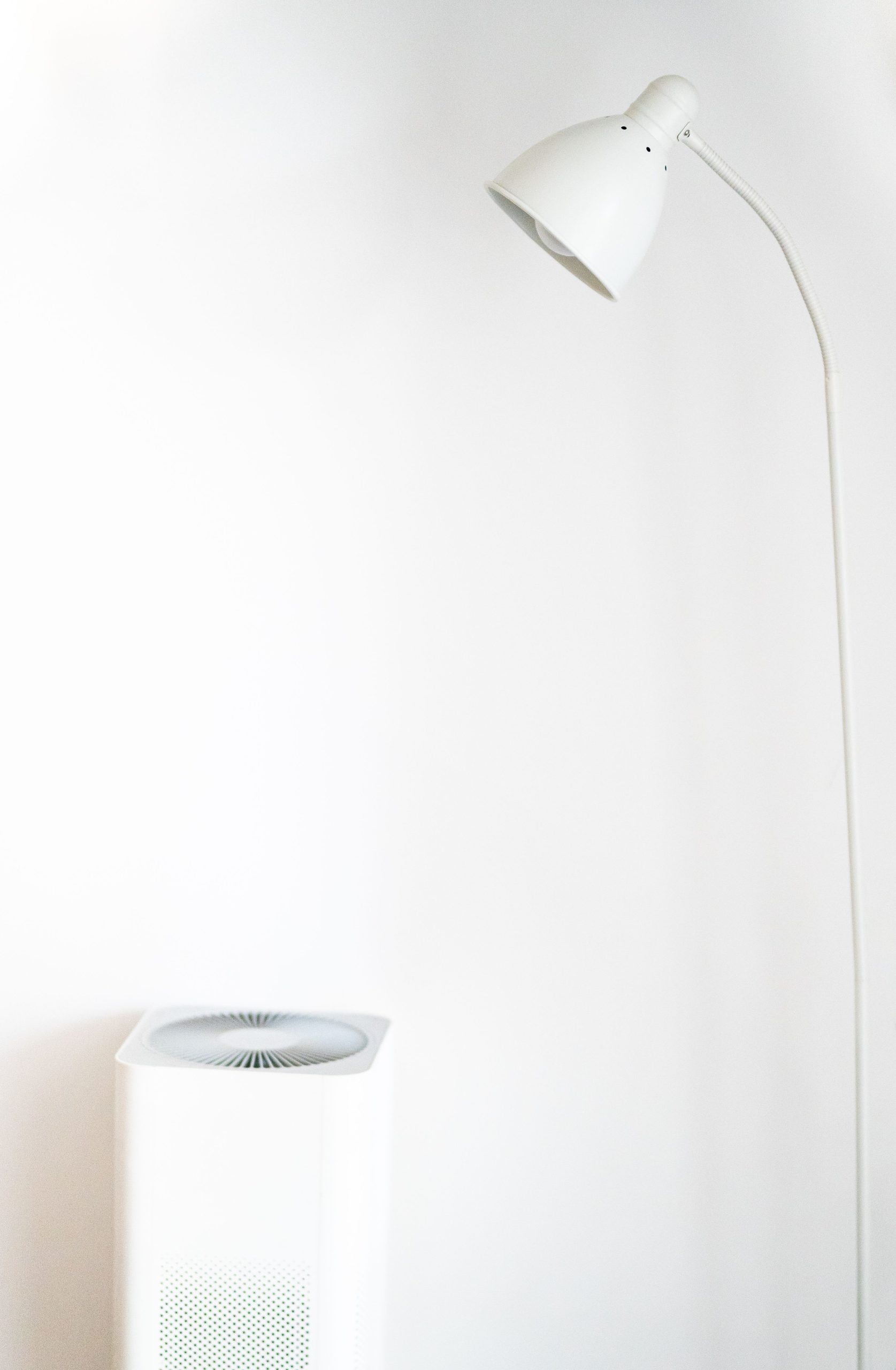
Once your home is actually sealed up, an air purifier becomes genuinely useful for the second half of the problem: the smoke particles already inside.
What to Actually Look For
- CADR rating matched to your room size. Clean Air Delivery Rate tells you how much filtered air a unit actually produces, and it needs to match your square footage, not just your budget.
- True HEPA filtration for the fine particulate matter (PM2.5) that makes wildfire smoke dangerous to breathe.
- Activated carbon, not just HEPA. HEPA filters catch particles, but wildfire smoke also carries VOCs and gases that HEPA alone cannot remove. A deeper carbon bed is what actually handles the smell and the chemical component of smoke.
- Real replacement filter costs, since some units are cheap upfront but expensive to maintain over a full wildfire season.
Top Recommendations (2026)
| Pick | Device | Best For | Typical Price |
|---|---|---|---|
| Budget Pick | Medify MA-50 | Solid HEPA protection for a single room without a premium price tag | ~$150–$180 |
| Best Overall | Blueair Blue Pure 211i Max | Large coverage area with strong filtration, the pick most independent testers land on for whole-room use | ~$350–$400 |
| Premium Pick | IQAir HealthPro Atem X | The deepest carbon filtration available for VOCs and smoke odor, built for severe or prolonged smoke exposure | ~$900+ |
The DIY Option, Verified by Researchers
If buying a purifier is not realistic during an active smoke event, a box fan with a furnace filter taped or strapped to the intake side is a genuine, research-demonstrated alternative. Atmospheric chemistry researchers at the University of Washington have publicly demonstrated building one of these using a standard 20-inch box fan and a filter available at any hardware store. It will not match the filtration of a dedicated HEPA unit, but it meaningfully reduces particle exposure in a pinch, at a fraction of the cost.
Know when to act: the Air Quality Index
Air quality is reported on a scale from 0 to 500. Values up to 50 are good and 51 to 100 are moderate. From 101 to 150 the air is unhealthy for sensitive groups, from 151 to 200 it is unhealthy for everyone, 201 to 300 is very unhealthy and above 300 is hazardous. The AirNow Fire and Smoke Map shows current readings and smoke forecasts for your area.
Upgrade your HVAC filter too
If your system can handle it, a MERV 13 or higher filter captures much more fine smoke than a basic filter, and it works on the whole house whenever the system runs in recirculate mode. Check that your system is rated for the extra airflow resistance. Replace the filter more often during smoke season, since it loads up faster.
Size the purifier with a simple rule
A common rule of thumb for smoke is that the purifieru2019s smoke CADR should be at least two-thirds of the roomu2019s floor area in square feet, for rooms with 8-foot ceilings. A 300 square foot bedroom needs a smoke CADR of about 200. A purifier that is too small will run on high all night and still lag behind.
Make one clean room
You do not have to clean the whole house. Choose a bedroom, keep the door closed, and run the purifier there on a higher setting. Avoid adding indoor particles while smoke is outside: skip frying, burning candles or incense, smoking, and vacuuming with a vacuum that is not HEPA-rated.
Frequently asked questions
Do you need an air purifier for wildfire smoke?
It helps, but the EPA treats it as a secondary step. The first step is sealing your home: close windows and doors, shut outside air intakes on your HVAC system and set your air conditioner to recirculate. An air purifier then cleans the smoke that is already inside.
What should I look for in an air purifier for wildfire smoke?
A CADR rating matched to your room size, true HEPA filtration for fine PM2.5 particles, activated carbon for the gases and odor that HEPA cannot remove, and realistic replacement filter costs.
Does a HEPA filter remove the smell of wildfire smoke?
Not by itself. HEPA catches particles, but smoke also carries VOCs and gases. A deeper activated carbon bed is what handles the smell and the chemical part of smoke.
Sources
- El Dorado County Air Quality Management District, Wildfire Smoke Information
- University of Washington, DIY home air purifier demonstration
Managing indoor air often goes hand in hand with managing indoor temperature. See our Climate & Energy guide for the thermostat side of the equation.
Last Updated: October 2026