

Last updated November 20, 2026. Reviewed by the HomePilot editorial team.
By the Numbers · Water bills
A water bill that suddenly doubles is alarming, especially when nobody in the house has changed their habits. The usual cause is something you cannot see: a toilet quietly running, a dripping faucet, a leak in a pipe, or a billing quirk like an estimated meter reading. Here are the numbers behind a high water bill, how to test for a leak in 15 minutes using your water meter, and how to find and fix the cause.
By the HomePilot Team · Updated November 11, 2026 · Water-use figures from the U.S. EPA and local water utilities · How we research
300+ gal
What the average American family uses at home per day (EPA)
180 gal
Water the average family wastes to leaks each week (EPA)
200 gal/day
What a constantly running toilet can waste (EPA)
The short answer
If your water bill jumped, first compare the gallons used with the same month last year. If usage went up and nothing changed, you probably have a leak, most often a running toilet. Test with your water meter: turn off all water in the house, note the reading, wait an hour or two without using water, and check again. If it moved, water is leaking somewhere. If usage did not go up, look at rate changes, sewer charges, a longer billing period or a catch-up bill after estimated readings.
Step 1: Is it more water, or a higher price?
Your bill shows how much water you used, in gallons or in CCF (hundreds of cubic feet; 1 CCF is about 748 gallons). Compare it with the same month last year, since summer watering makes warm-month bills higher.
| What changed | What it usually means |
|---|---|
| Gallons up, nothing changed at home | A leak, most often a toilet |
| Gallons up, more people or activities | Guests, new appliances, filling a pool or hot tub, watering |
| Gallons about the same, bill up | Rate increase or higher sewer charges |
| A big one-time jump after several “estimated” bills | A catch-up (true-up) bill from a real meter reading |
| More days on this bill | A longer billing period; compare cost per day |
Remember that sewer charges are often based on how much water you use, so a leak can raise both parts of the bill.
Step 2: Test for a leak with your water meter
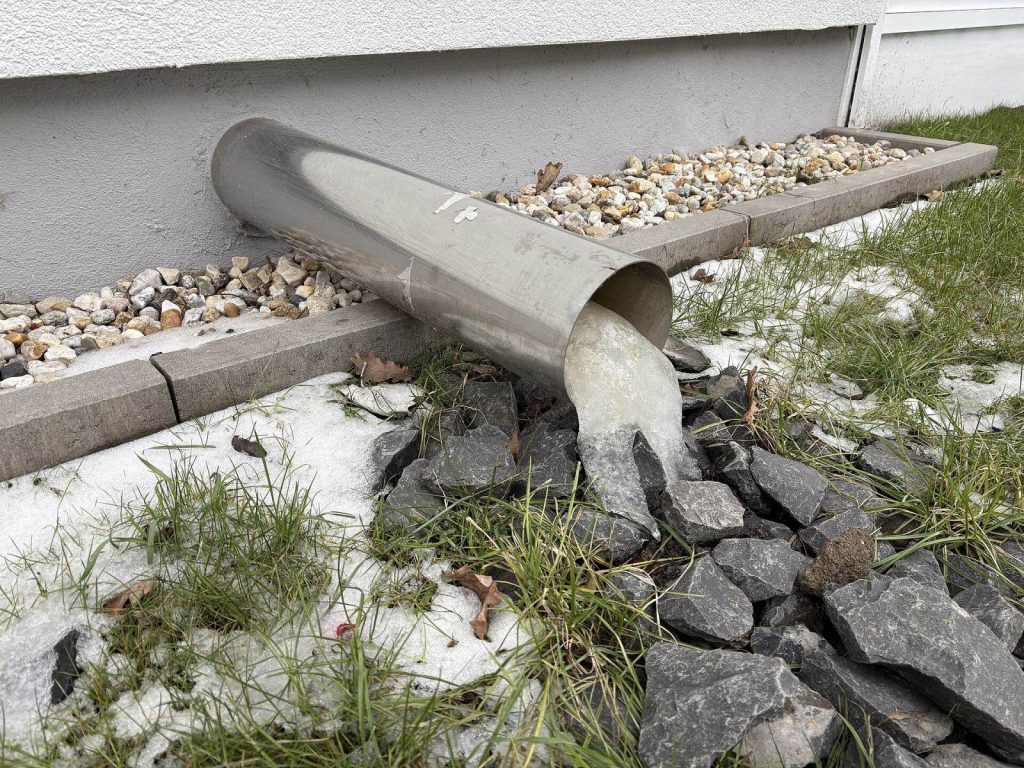
- Find your meter. It is usually in a box near the street or curb, in the basement, or where the water line enters the house.
- Turn off all water use inside and out: faucets, appliances, ice makers, irrigation.
- Note the reading, or watch the small leak indicator (often a triangle or star-shaped dial that spins with tiny flows).
- Wait 1 to 2 hours without using any water. For slow leaks, check before bed and again in the morning.
- Check again. If the reading changed or the leak indicator moved, water is escaping somewhere.
- Narrow it down: turn off the shutoff valves behind each toilet and repeat. If the meter stops moving, a toilet is your leak.
How much leaks cost
| Leak | Water wasted | Monthly cost at $10 per 1,000 gallons* |
|---|---|---|
| Faucet dripping once per second | About 250 gallons a month (EPA: 3,000+ a year) | About $2.50 |
| Faucet dripping steadily (about 20 gallons a day) | About 600 gallons | About $6 |
| Typical family leaks (180 gallons a week) | About 780 gallons | About $7.80 |
| Running toilet (200 gallons a day) | About 6,000 gallons | About $60 |
| Garden sprinkler, 1 hour, 3 times a week | About 12,240 gallons (Savannah utility estimate) | About $122 |
*Water and sewer rates vary widely; $10 per 1,000 gallons is an illustration. Use the rate on your own bill.
The usual suspects, room by room
Toilets
A worn flapper or misadjusted fill valve can let water run silently all day. Do the food-coloring test and read our guides to a toilet that keeps running and the silent toilet leak dye test.
Faucets and showerheads
A drip may look minor, but it runs 24 hours a day. Place a cup under a dripping faucet for 15 minutes to see how much it really loses; worn washers and cartridges are cheap to replace.
Water heater and appliances
A leaking water heater relief valve or tank, a cracked washing machine hose or a leaking ice maker line can all waste water out of sight. Look for dampness, stains and puddles. Some homes also have a humidifier on the furnace that can leak or run constantly.
Outside and underground
Irrigation systems, outdoor faucets and buried supply lines can leak without any sign indoors. In winter, a frozen outdoor faucet can split and leak when it thaws. If the meter moves with everything inside turned off, and toilets are ruled out, suspect the line between the meter and the house; a plumber can locate it.
Why winter can bring surprise water bills
Winter has its own water traps. Outdoor faucets that were not shut off and drained can freeze, split and leak when they thaw. Pipes in crawl spaces and garages can burst during a cold snap. Holiday guests mean more showers, laundry and dishwasher loads. If your bill jumps after a cold spell, check outdoor faucets and exposed pipes first, and read our frozen pipe guide.
If it is not a leak
- Check for an estimated reading. If previous bills were estimated, a real reading can produce a large catch-up bill.
- Look for a rate change or new fees on the bill.
- Ask your utility to re-read or test the meter if usage still looks wrong; many will do this free.
- Ask about leak adjustments. Many utilities offer a one-time credit after you fix a documented leak.
Lower your water bill for good
- Fix leaks promptly; the EPA says easy-to-fix household leaks waste nearly 10,000 gallons a year in an average home.
- Replace older toilets and showerheads with WaterSense-labeled models.
- Run full loads in the dishwasher and washing machine.
- Add a water leak sensor or an automatic shutoff valve for early warning.
Frequently asked questions
Why is my water bill so high all of a sudden?
Usually a leak, most often a running toilet, or a billing change such as a rate increase, a longer billing period or a catch-up bill after estimated meter readings.
How do I check for a water leak?
Turn off all water in the house, note your water meter reading or watch its leak indicator, wait 1 to 2 hours without using water, then check again. Any movement means a leak.
How much water does the average family use?
The EPA says the average American family uses more than 300 gallons of water a day at home, about 70 percent of it indoors.
Can a running toilet really raise my water bill?
Yes. The EPA says a constantly running toilet can waste 200 gallons or more a day, about 6,000 gallons a month.
Will my water company fix a high bill from a leak?
Many utilities offer a one-time leak adjustment once you show the leak has been repaired. Ask your utility.

